
Propagation
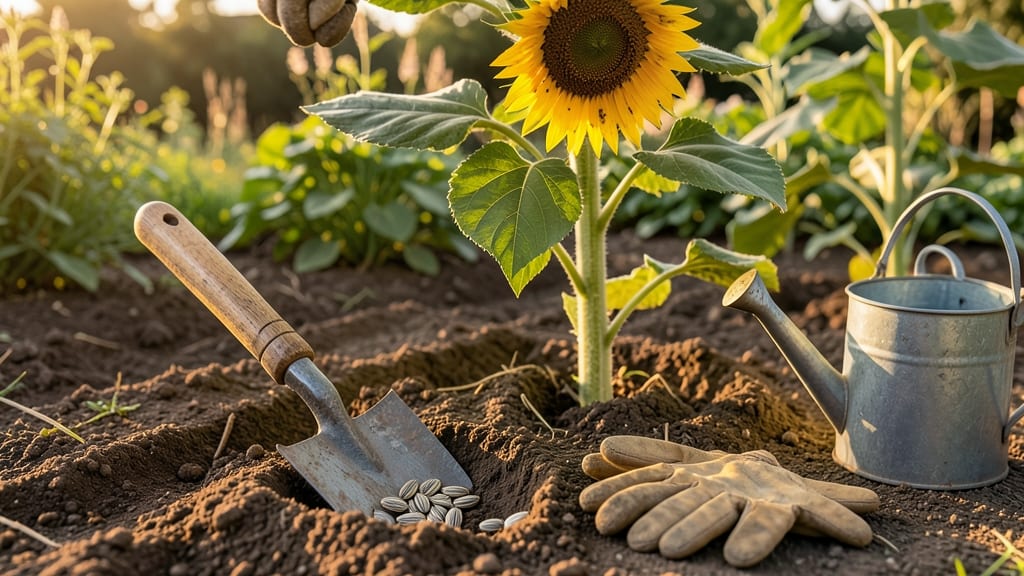
Planting sunflower seeds outdoors 🌻 is easier than you think, but the right depth and spacing make all the difference between a towering, vibrant bloom and a weak, struggling stalk.
Picture this: you’ve waited all spring for those cheerful 🌻 sunflowers to rise, only to find your garden crowded with stunted plants or worse—nothing at all. The secret? Planting them just ½ to 1 inch deep and spacing them 6 to 24 inches apart, depending on the variety.
Skip this step, and you’ll end up with a garden full of disappointment instead of joy.
Sunflowers thrive in full sun and well-drained soil, but even the hardiest seeds need the right start. Whether you’re growing dwarf varieties for containers or giant stalks for shade, this guide breaks down the exact techniques for strong germination and healthy growth—no guesswork required.
From soil prep to post-planting care, you’ll learn how to avoid common mistakes, support tall stalks, and ensure your sunflowers reach their full potential by harvest time. Let’s get those seeds in the ground the right way!
Optimal sunflower seed depth and spacing for healthy growth
Sunflowers thrive when planted with the right depth and spacing, ensuring strong roots and vibrant blooms. Too shallow or crowded seeds lead to weak stalks or fungal diseases, while proper placement maximizes sunlight and nutrients. Here’s how to get it right for both dwarf and giant varieties.
Research shows sunflower seeds germinate best when planted at a 0.5–1 inch depth. This depth balances moisture retention with oxygen flow, preventing rot while encouraging rapid sprouting.
For dwarf varieties, stick to the shallower end (0.5 inch), while tall varieties can handle the full 1 inch for deeper root establishment.
Spacing is equally critical—6–24 inches apart depends on your sunflower’s mature size. Dwarf varieties (1–3 ft) need just 6–12 inches between plants, while giants (6–14 ft) require 18–24 inches to avoid competition. Proper spacing also reduces fungal diseases by improving air circulation.
Here’s a quick reference for ideal planting conditions:
| Variety Type | Planting Depth | Spacing (inches) | Row Spacing | Mature Height |
|---|---|---|---|---|
| Dwarf (e.g., 'Teddy Bear') | 0.5 inch | 6–12 inches | 12 inches | 1–3 ft |
| Semi-Dwarf (e.g., 'Moulin Rouge') | 0.75 inch | 12–18 inches | 18 inches | 3–6 ft |
| Standard (e.g., 'Russian Giant') | 1 inch | 18–24 inches | 24 inches | 6–14 ft |
🌱 Note: Adjust spacing for windy areas—taller varieties need extra room to avoid toppling.
When planting in rows, space them 18–24 inches apart for standard varieties to allow mower or weed-whacker access. For dwarf sunflowers, 12-inch row spacing works well in smaller gardens or containers. Always plant rows north-to-south to maximize sunlight exposure for even growth.
Overcrowding isn’t just an aesthetic issue—it leads to nutrient competition and pest attraction. If you’re growing multiple rows, leave at least 3 feet between them to prevent fungal spread. Thin seedlings to the recommended spacing once they reach 3–4 inches tall, using sharp scissors to avoid disturbing roots.
For container gardening, use at least 1-gallon pots per plant and space them 12 inches apart. Dwarf varieties thrive in containers, while giants need 5-gallon pots or larger to support their height. Ensure pots have drainage holes to prevent root rot from excess moisture.
Soil temperature plays a hidden role in germination. Sunflower seeds need soil at least 55°F (13°C) to sprout. Use a soil thermometer if planting early spring—cold soil delays germination by weeks. Mulch lightly after planting to retain warmth and moisture without smothering seeds.
Finally, avoid planting sunflowers where tomatoes, peppers, or eggplants grew the previous year, as they share diseases. Rotate crops or plant sunflowers in fresh soil for healthier stalks. With the right depth and spacing, your sunflowers will reach their full potential—towering over your garden with joyful, golden blooms.
🌻
Step-by-step sunflower planting process for beginners
Sunflowers thrive when you follow a few key planting principles. Start by selecting a sunny spot with well-draining soil—these plants need at least 6-8 hours of sunlight daily to reach their full towering height.
If your soil is heavy clay, mix in compost or sand to improve drainage before planting. This prep work ensures your seeds have the best chance to germinate quickly and grow strong stalks.
Timing is everything for outdoor planting. Wait until after your last frost date (typically mid-April in most zones) and when soil temperatures reach at least 50°F. Cold soil can delay germination, so use a soil thermometer if you're unsure.
Choose dwarf varieties (1-3 ft) for containers or standard types (6-14 ft) for open gardens—each has different spacing needs we'll cover next.
How to Plant Sunflower Seeds Outdoors
-
Step 1: Prepare the Soil
Loosen soil to 6-8 inches deep with a garden fork. Remove weeds and rocks. For nutrient boost, work in 2 inches of compost.
-
Step 2: Plant the Seeds
Make holes 1 inch deep (about 3x seed width). Place 1-2 seeds per hole, spacing 6 inches apart for dwarfs or 12-24 inches for giants.
-
Step 3: Cover and Water
Gently cover seeds with soil. Water lightly but thoroughly to settle soil (use 1 gallon per planting area). Keep soil consistently moist until germination.
-
Step 4: Thin Seedlings
When seedlings are 2-3 inches tall, thin to 1 strong plant per hole. Snip weaker stems at soil level with scissors to avoid disturbing roots.
-
Step 5: Add Support
Install stakes or cages when plants reach 12 inches tall. Tie stems loosely with soft fabric strips to prevent damage as they grow toward the sun.
🌱 Pro Tip: Mark seed rows with bamboo stakes to avoid accidentally disturbing seedlings during weeding.
After planting, maintain consistent moisture by watering at the base of plants in the morning. Avoid wetting leaves to prevent fungal diseases like powdery mildew. Once established (after 4-6 weeks), sunflowers are drought-tolerant, so reduce watering to once weekly unless your area experiences extreme heat.
Fertilizing is simple: apply a balanced 5-10-10 fertilizer when seedlings are 4-6 inches tall, then again when buds form. Use 1 tablespoon per plant and water immediately to prevent root burn. Giant varieties may need a second feeding when flower heads appear, but avoid over-fertilizing—this can reduce bloom size.
Watch for pests like aphids or bird damage to seed heads. Protect young plants with row covers if needed, and use netting once buds form. With proper care, your sunflowers will reward you with vibrant blooms and towering stalks that become the centerpiece of your garden by late summer.