
Flowers
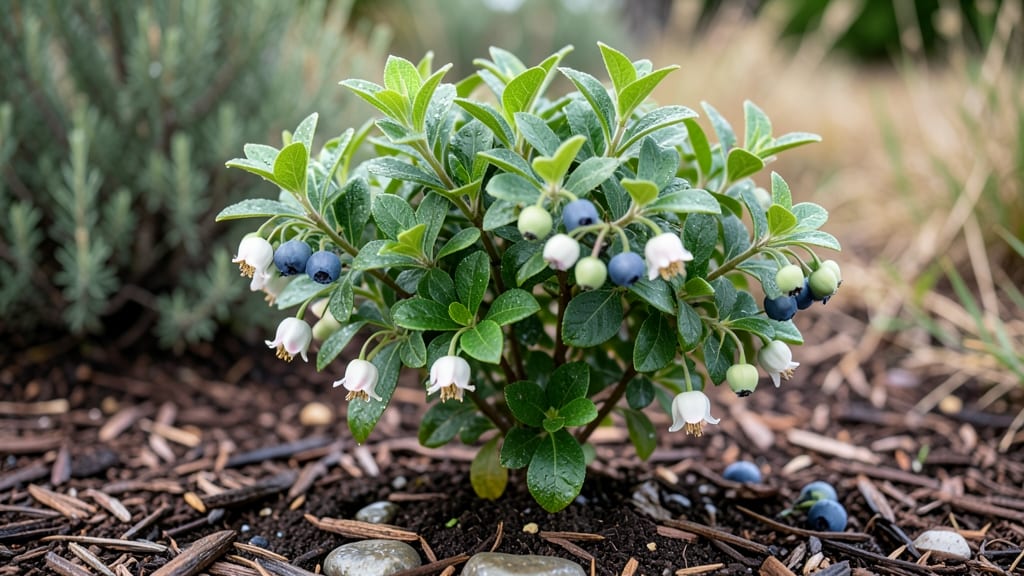
Blueberry flower to fruit stages transform delicate blooms into juicy harvests—each step depends on timing, temperature, and a little luck.
Picture this: your bushes are heavy with white and pink blossoms, but by midsummer, you’re staring at tiny green berries that refuse to grow. That’s not just bad luck—it’s often a missed stage in the development process.
From pollination to ripening, every week counts, and knowing what to watch for means the difference between a scant harvest and a bucketful of perfectly ripe 🫐 berries.
This guide breaks down the week-by-week journey of blueberry growth, so you’ll spot exactly when flowers need cross-pollination, when fruit sets (and what to do if it doesn’t), and how to tell when berries are ready to pick. No more guesswork—just science-backed milestones to follow.
By the end, you’ll recognize the critical signs of healthy development, troubleshoot common delays, and even predict your harvest window like a pro. Ready to turn blooms into bounty?
Blueberry flower to fruit stages: week-by-week development timeline
Understanding the blueberry flower to fruit stages helps you anticipate harvests and troubleshoot issues before they reduce your yield. Each phase depends on precise temperature ranges, sunlight exposure, and pollination success.
For example, flowers need 50-60°F daytime temps to open properly, while fruit development thrives in 70-80°F. Let’s break down the 12-week journey from bloom to berry.
The transformation begins when blueberry buds swell in early spring, signaling the start of the flowering phase. This stage lasts 2-3 weeks and requires consistent moisture to prevent bud drop.
Without proper hydration, flowers may fail to open, cutting off fruit production entirely. I’ve seen this happen in dry years—always monitor soil moisture during this critical window.
Week 0-1 marks the bud swelling phase, where flower clusters begin forming. This is
Critical factors affecting blueberry fruit development speed
Understanding how temperature fluctuations, pollination success, and soil nutrients interact is key to accelerating blueberry development. Each stage—from flower opening to fruit ripening—has specific needs that can make or break your harvest.
For example, cold snaps during bloom can delay pollination, while excess nitrogen may boost foliage at the expense of fruit.
Blueberries thrive in consistent temperatures between 60°F and 80°F during fruit development. Drops below 50°F or spikes above 90°F can trigger June Drop, where flowers or young fruit fall prematurely. This is especially critical in Zone 5 and below, where late frosts are common.
⚠️ callout warning
During weeks 2-4 (post-pollination), blueberries are most vulnerable to nutrient deficiencies and water stress. Potassium shortages cause small, hard berries, while overwatering leads to cracking. Monitor soil moisture with your finger—it should feel like a wrung-out sponge.
💡 Pro Tip: Apply a balanced 10-10-10 fertilizer (acid-loving formula) 4 weeks after bloom to support cell division. Avoid high-nitrogen fertilizers—they prioritize leaves over fruit!
Pollination is another make-or-break factor. Blueberries are self-pollinating, but bees and wind play critical roles. If you notice dropping flowers without fruit set, check for poor pollinator activity (common in cool, rainy springssecond compatible variety (like 'Bluecrop' and 'Duke') can double your yield by improving cross-pollination.
Soil pH and nutrient balance directly impact fruit speed. Blueberries demand acidic soil (pH 4.5-5.5)—test yours annually. Low potassium (K) leads to slow development, while excess phosphorus (P) can stunt fruit growth.
Amend with peat moss or sulfur to maintain acidity, and use wood ash sparingly (it raises pH).
Water stress is the silent yield killer. During fruit expansion (weeks 5-8), blueberries need 1-2 gallons of water per plant weekly. Drought conditions cause berries to shrivel, while overwatering leads to splitting.
Use drip irrigation to deliver moisture directly to roots, keeping leaves dry to prevent fungal diseases like mummy berry.
Finally, pruning timing affects development speed. Prune after harvest (not during bloom) to avoid removing next year’s flower buds. Heavy pruning in late winter stimulates new growth, but over-pruning reduces fruit set. Aim to remove 1/3 of old wood annually to balance light penetration and airflow.