
Plants
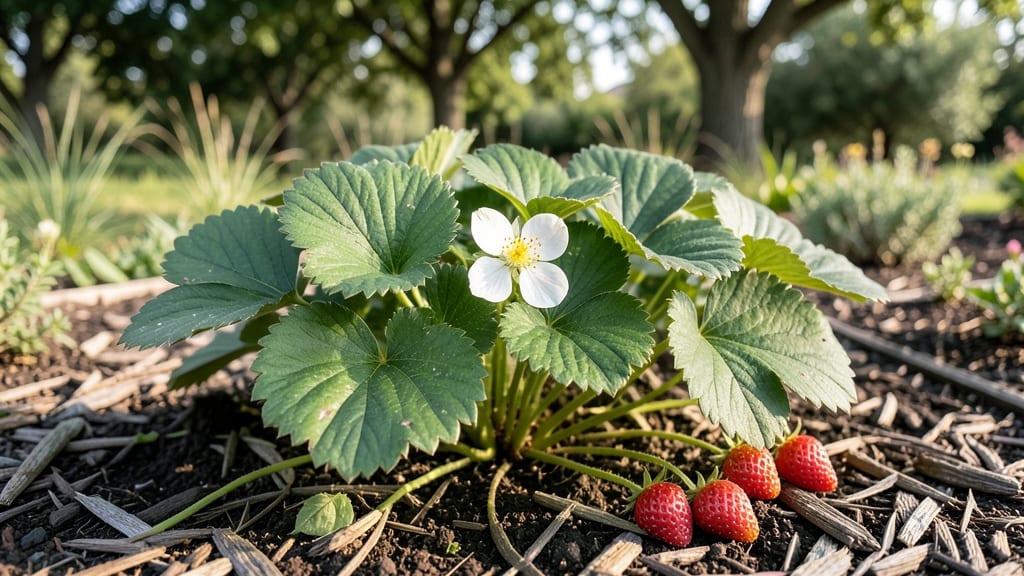
Strawberry plants flower when they’ve met their chilling hour needs and daylight length aligns—typically April to early May in most USDA zones, but timing shifts with variety and climate.
Picture this: You’ve just planted your 🍓 crowns in March, dreaming of summer berries, only to wonder why nothing blooms by June. The answer lies in whether your strawberries are June-bearing, everbearing, or day-neutral—and how many cold nights they needed to wake up.
In Zone 6a, where spring arrives slowly, most June-bearing varieties wait until late April to send up their first flower stalks, while everbearers might start as early as March if winter was mild. Day-neutral types, on the other hand, can flower sporadically all season once temperatures rise.
Below, I’ll break down the exact months for your zone, how to spot the first blooms, and what to do if your plants skip flowering entirely—because knowing when to expect those delicate white flowers is the first step to a bountiful harvest.
Strawberry flowering timeline by USDA hardiness Zones (exact months)
Understanding when your strawberry plants flower is the first step to planning your harvest. June-bearing, everbearing, and day-neutral varieties all bloom at different times, and your USDA hardiness zone shifts these windows dramatically.
For example, Zone 3 gardeners see flowers as early as late May, while Zone 10 strawberries may bloom year-round with seasonal peaks. Let’s break down the exact months for each type and zone to help you time your planting, pruning, and harvest strategies perfectly.
Your strawberry’s flowering schedule depends on three key factors: variety type, chilling hours (for June-bearing), and local microclimates. June-bearing varieties need 500-1,000 chilling hours below 45°F to trigger blooms, while everbearing and day-neutral types are more flexible.
Even within the same zone, a south-facing slope might push flowering 2-3 weeks earlier than a shaded valley. Use this timeline as a starting point, then adjust based on your garden’s specific conditions.
| USDA Zone | June-Bearing | Everbearing | Day-Neutral | Notes |
|---|---|---|---|---|
| Zones 3-4 | Late May - Early June | June - July + Fall | June - September | Coldest zones; use early varieties like 'Honeoye' for June-bearing. |
| Zones 5-6 | Early May - Late May | May - June + Aug-Sept | May - October | Ideal for June-bearing like 'Jewel' and everbearing 'Ozark Beauty'. |
| Zones 7-8 | April - Early May | April - May + Aug-Sept | April - November | Longer growing season; day-neutral like 'Seascape' thrive here. |
| Zones 9-10 | February - March | Year-round (peaks Feb-Apr, Aug-Oct) | Year-round (continuous) | Warm climates; June-bearing may need winter chill tricks. |
In Zones 3-4, where winters are harsh, June-bearing strawberries like 'Chandler' or 'Douglas' typically flower in late May to early June, giving you a single massive harvest in late June to July.
If you’re growing everbearing varieties like 'Tristar', expect two smaller harvests: the first in June-July and a second in late August to September. Day-neutral types such as 'Seascape' will keep producing from June through September, making them ideal for extending your season.
For gardeners in Zones 5-6, the flowering window shifts earlier. June-bearing varieties like 'Jewel' often bloom as early as early May, while everbearing types such as 'Ozark Beauty' produce flowers in May-June and again in August-September.
This dual flowering means you can enjoy strawberries from June through October. If you’re in a microclimate with warm winters, like a sheltered south-facing bed, you might see blooms as early as April.
In warmer Zones 7-8, strawberries are more flexible with their flowering schedules. June-bearing varieties like 'Sparkle' may bloom as early as April, while everbearing types like 'Fort Laramie' produce flowers in April-May and again in August-September. Day-neutral strawberries, such as 'Seascape' or 'Mara des Bois', are the stars here, flowering continuously from April to November if conditions are right.
This makes them perfect for container gardening or urban balconies where space is limited.
Gardeners in Zones 9-10 have the advantage of year-round growing potential, but they must adapt their strategies. June-bearing varieties like 'Camarosa' may flower as early as February-March, but they often struggle without sufficient chilling
How to predict strawberry flowering based on planting method
Your strawberry plants' flowering schedule shifts dramatically based on how you plant them. Bare-root plants and potted varieties respond differently to seasonal cues, and even the time of year you plant can delay or accelerate blooms. Understanding these factors lets you align flowering with your climate and maximize your harvest.
For example, June-bearing strawberries planted in fall often flower earlier than spring-planted ones because they experience winter chilling hours sooner. Meanwhile, everbearing varieties planted in pots may bloom weeks earlier than bare-root plants because they’re already established. Let’s break down the key factors that control your strawberries’ flowering window.
If you’re growing June-bearing strawberries, timing your planting is everything. Fall-planted bare-root varieties in Zones 5-7 often flower in late April to early May, while spring-planted ones may not bloom until mid-to-late May.
For everbearing types, potted plants can produce flowers as early as March in Zones 8-10, thanks to their established root systems.
To encourage earlier flowering, mulch heavily in fall to protect roots and retain moisture. For potted plants, move them to a cool garage or basement for 4-6 weeks in winter to simulate chilling hours.
This trick works wonders for day-neutral varieties in warm climates like Zone 9 or 10.
Watch for white flower buds forming at the base of leaves—this is your first sign of imminent blooms. In June-bearing types, these buds appear 4-6 weeks before flowering, while everbearing varieties may produce flowers intermittently throughout the season. Adjust your care routine accordingly to support heavy fruiting.
Remember, stress delays flowering. Avoid over-fertilizing with high nitrogen in early spring, as this promotes leafy growth at the expense of flowers. Instead, use a balanced 10-10-10 fertilizer once buds form to support both blooms and fruit development.
With the right planting method, you can predict—and control—your strawberries’ flowering window like a pro. 🌱