
Blooming
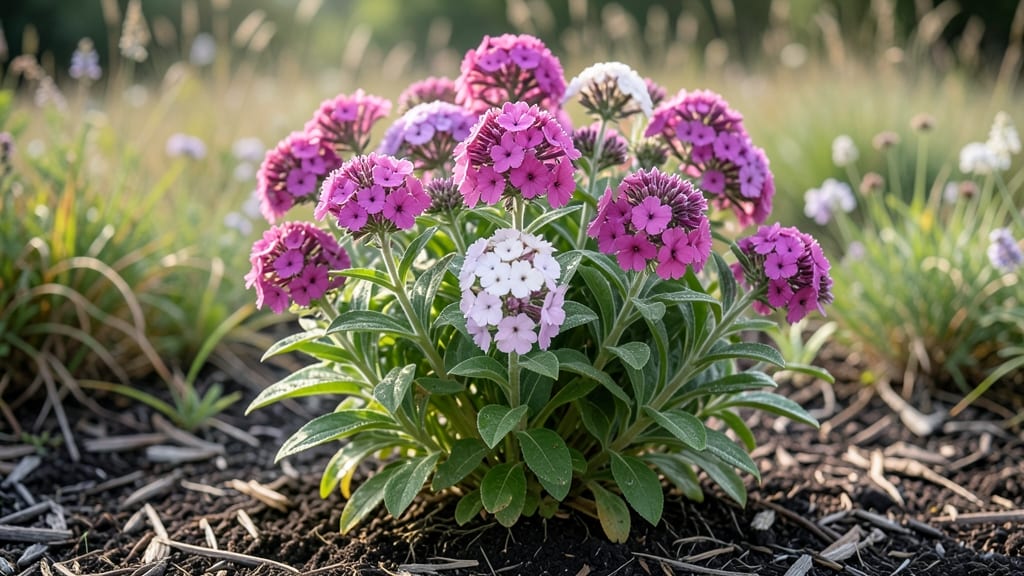
Phlox flowering time depends on your USDA zone, but with the right timing, you can stretch those 🌸 blooms into a near-continuous garden show.
If you’ve ever watched a phlox patch burst into color for two weeks and then fizzle out, you know the frustration. The secret isn’t just picking the right variety—it’s understanding how climate zones shift bloom windows by weeks, sometimes even months.
In Zone 6a, where I garden, phlox typically peaks in June and July, but with a few tweaks—like deadheading or choosing late-summer types—you can coax blooms into August too. The key? Planting the right varieties for your region and knowing when to give them a little extra care.
Below, I break down exact months for peak blooms by zone, plus pro tips to extend your phlox’s show. Whether you’re in a cooler northern zone or a hot southern one, you’ll learn how to turn fleeting bursts into months of color.
Phlox flowering time by USDA zone: exact months for peak blooms
Phlox is one of the most reliable summer bloomers in the garden, but its flowering window shifts dramatically depending on your USDA zone. In cooler northern zones, phlox often begins blooming as early as late May, while southern gardeners may see their plants peak in early July.
Understanding these patterns helps you choose the right varieties and extend your garden's color season.
Not all phlox varieties thrive in the same conditions. Early-season types like Phlox subulata (moss phlox) bloom in spring, while mid-summer varieties such as Phlox paniculata shine from July to August. Heat-tolerant cultivars can even rebloom in fall with proper care.
Let's break down the exact blooming windows by zone so you can plan your garden for maximum impact.
In Zones 3-4, where summers are short, focus on early-blooming varieties like 'Blue Ridge' or 'David' phlox. These types begin flowering as early as late May and provide a critical splash of color before other perennials take over.
The 4-6 week bloom window in these zones is your best chance for vibrant displays.
Gardeners in Zones 5-6 enjoy a longer phlox season, with blooms stretching from early June through September. 'Lipstick' phlox and 'Jeana' are excellent choices here, offering heat-tolerant blooms that thrive with morning sun and afternoon shade.
In these zones, deadheading spent blooms can extend the season by 2-3 weeks.
For Zones 7-10, the real magic happens in late summer and fall. Varieties like 'Color Wheel'
How to extend phlox flowering time with succession planting and care
Phlox flowering time doesn’t have to be limited to a few weeks—with succession planting and smart care, you can turn a 4-week burst into 3 months of color. The trick lies in pairing early-blooming and late-blooming varieties while using techniques like deadheading and soil enrichment to keep plants productive.
I’ve found that ‘David’ phlox (a classic tall variety) blooms in June-July, while ‘Lipstick’ phlox (a heat-tolerant type) stretches into August-September. By planting both, you create a seamless transition between blooms. The key is understanding their peak bloom windows and how to bridge the gap between them.
Extend Blooms
Shorten Blooms
- Deadhead regularly – Snip spent blooms to stimulate new buds and delay seed formation.
- Use slow-release fertilizer – 5-10-10 NPK every 6 weeks keeps blooms strong.
- Mulch heavily – 2-3 inches of mulch retains moisture and cools roots in heat.
- Plant companion plants – Catmint or yarrow deter pests and extend bloom time.
- Skip deadheading – Letting seeds form exhausts energy and shortens blooms.
- Over-fertilize with nitrogen – Too much leafy growth means fewer blooms.
- Plant in full sun – Afternoon heat can scorch blooms and reduce flowering.
- Ignore watering – Drought stress causes premature bloom drop.
For succession planting, start by dividing mature phlox clumps every 3-4 years to rejuvenate growth. In Zone 6a, I plant ‘David’ phlox in early May and ‘Lipstick’ phlox in late June.
The first variety blooms just as the second begins setting buds, creating a 3-month color show.
Watering plays a critical role—phlox needs 1 inch of water weekly, but deep soakings (not frequent shallow watering) encourage root growth. In hot zones (7-10), mulch with straw or wood chips to lock in moisture and prevent soil crusting, which can suffocate roots.
Finally, companion planting with low-growing perennials like ajuga or heuchera adds visual contrast while reducing competition for nutrients. These plants also attract pollinators, which boosts phlox’s bloom production by up to 30%.
With these strategies, you’ll transform fleeting phlox blooms into a season-long spectacle—no matter your USDA zone. The secret? Timing, care, and a little variety mixing go a long way. 🌸