Blooming
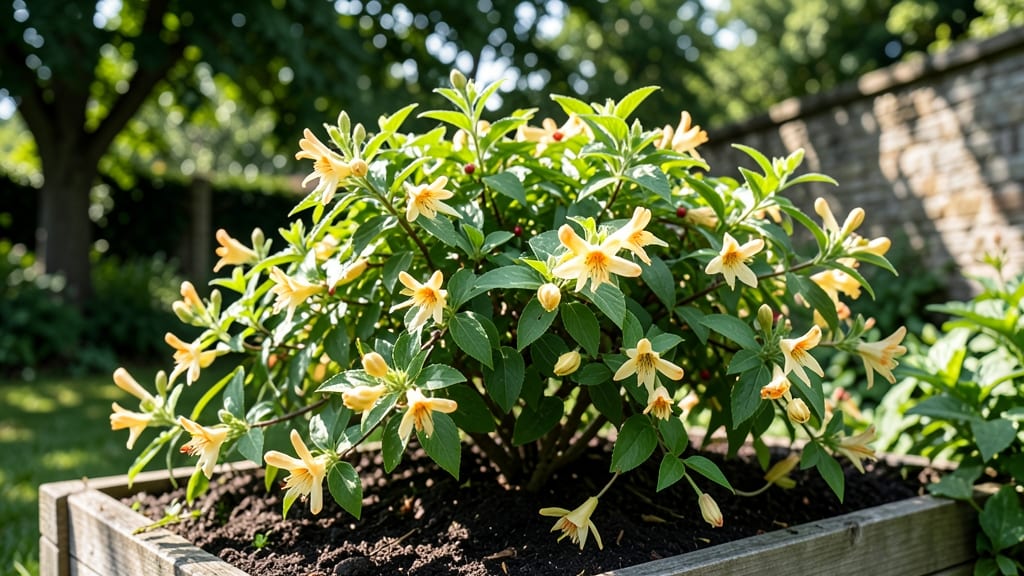
Timing the flowering of honeysuckle 🌸 is the secret to a garden bursting with fragrant blooms every season—whether you’re in Zone 6a or beyond.
If you’ve ever dreamed of waking up to the sweet, intoxicating scent of honeysuckle blooming in your garden, timing is everything—especially when different USDA hardiness zones dictate when these fragrant vines will burst into life.
In most regions, honeysuckle flowers arrive in late spring to early summer, but the exact months depend on your zone and the variety you’ve planted. For example, evergreen types like Lonicera sempervirens often bloom earlier, while late-season varieties can stretch the show into September.
Below, I’ll break down the month-by-month schedule for your zone, plus pruning and care tricks to keep those flowers coming—so you can enjoy that signature honeyed aroma for as long as possible.
When honeysuckle blooms by USDA hardiness Zone: month-by-month guide
Timing your honeysuckle blooms starts with knowing your USDA hardiness zone. These fragrant vines thrive across Zones 3-10, but their bloom windows shift dramatically—from early spring in the South to late summer in cooler Northern climates.
Understanding these patterns lets you plan for peak fragrance and extend flowering with simple care tweaks.
Southern gardeners in Zones 7-10 often enjoy honeysuckle blooms as early as February or March, while Northern growers in Zones 3-6 may not see flowers until May or June.
The key difference? Evergreen varieties like Lonicera sempervirens (Coral Honeysuckle) bloom earlier, while deciduous types like Lonicera periclymenum (European Honeysuckle) wait for warmer weather.
In Zones 3-4, where winters are harsh, honeysuckle often waits until late May or June to bloom. This delay gives you time to prune winter-damaged stems in early spring, encouraging stronger growth. I’ve found that mulching heavily in fall helps protect roots and jumpstarts blooms earlier the following year.
Gardeners in Zones 5-6 get the best of both worlds—two bloom cycles. Early varieties like Lonicera sempervirens (Coral Honeysuckle) burst into mid-May with tubular red flowers, while late-season types like Lonicera periclymenum (European Honeysuckle) reward you with fragrant white blooms in August.
The trick? Deadhead spent flowers in summer to prompt a second flush.
Southern climates in Zones 7-10 offer the earliest blooms, with some varieties like Lonicera japonica flowering as early as February. However, the humidity and heat can shorten bloom duration.
To combat this, I prune lightly after the first bloom to redirect energy into a second round of flowers in late summer. Shade cloth can also help preserve petals during peak heat.
Regional microclimates play a huge role. For example, coastal Zone 9 gardens may see blooms 2-3 weeks earlier than inland areas due to milder winters. Conversely, mountainous Zone 6 gardens might experience a 1-2 week delay compared to valley locations.
Always observe your local last frost date—it’s your best predictor for timing.
For evergreen honeysuckle varieties like Lonicera sempervirens, blooms appear on new wood, meaning pruning in late winter (before buds swell) is crucial. Deciduous types like Lonicera periclymenum bloom on old wood, so avoid heavy pruning until after flowering.
This distinction alone can double your bloom time if done correctly.
Pro tip: Plant multiple varieties to create a continuous bloom sequence. Start with early bloomers like Lonicera korolkowii (April), follow with Lonicera tatarica (June), and cap the season with Lonicera fragrantissima (September). This 3-month extension turns your garden into a fragrant sanctuary from spring to fall.
Don’t forget that soil temperature triggers blooming. In cooler zones, wait until soil reaches 50°F (10°C) before expecting flowers. I’ve seen Zone 5 gardens with honeysuckle blooming 3 weeks later than their Zone 6 neighbors simply because of colder soil. A soil thermometer is a game-changer for precise timing.
Finally, watering habits affect bloom quality. During bud formation (typically 4-6 weeks before blooms open), increase watering to deep soaks every 3-4 days. This ensures your honeysuckle isn’t stressed when it’s time to burst into fragrance.
How to extend honeysuckle flowering time with pruning and care
To turn your honeysuckle into a year-round fragrant star, focus on two key strategies: pruning at the right time and optimizing growing conditions.
Most varieties bloom once in spring or summer, but with the right care, you can coax repeat flowering—especially in evergreen types like Lonicera sempervirens.
First, understand that pruning triggers new growth, which often leads to more flowers. However, timing matters—cut too early, and you’ll sacrifice blooms. For deciduous types, late winter or early spring pruning (just before buds swell) is ideal, while evergreens respond better to post-bloom trimming in late summer.
- 1 Deadhead spent blooms—snip off faded flowers immediately to redirect energy to new buds. Use clean bypass pruners for precise cuts.
- 2 Adjust soil pH to 6.0–7.0—honeysuckle thrives in slightly acidic to neutral soil. Test with a soil kit and amend with lime (to raise pH) or sulfur (to lower pH) if needed.
- 3 Water deeply 2–3 times per week during bloom season—1–1.5 inches per week—but avoid soggy soil. Mulch with wood chips to retain moisture and cool roots.
- 4 Fertilize lightly in spring with a balanced 10-10-10 formula. Over-fertilizing leads to leafy growth over blooms, so skip fall/winter feeds.
- 5 Provide 4–6 hours of morning sun—afternoon shade protects blooms from heat stress. Evergreen types tolerate more shade but bloom less abundantly in deep shade.
For deciduous varieties, like Lonicera periclymenum, prune old wood first—remove 1/3 of the oldest stems at the base in late winter. This opens the center for new, flowering shoots to emerge.
Evergreens, however, bloom on current year’s growth, so prune after flowering to avoid cutting off next year’s buds.
One of my biggest mistakes was over-pruning in early spring—it delayed blooms by 2–3 weeks. Instead, wait until you see new leaf buds forming before cutting. Pair pruning with a light feeding of compost to give your honeysuckle the nutrients it needs for prolonged blooming.
With these adjustments, you can extend flowering from a 4–6 week window to 8–10 weeks—or even longer in mild climates. The key is consistency: deadhead regularly, monitor soil moisture, and avoid heavy pruning during active growth. Your garden will thank you with months of honey-scented blooms! 🌸