
Blooming
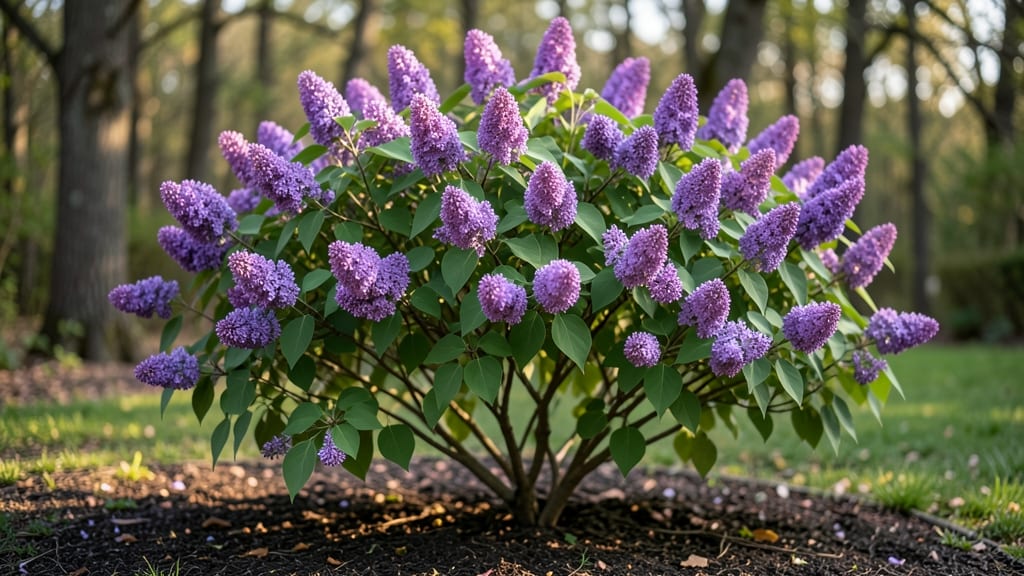
The lilac flowering time transforms gardens into fragrant bursts of purple, pink, and white between April and May, depending on your USDA zone and local climate.
If you’ve ever wondered why your lilac bushes bloom at different times each year—or how to time your garden visits for peak fragrance—understanding the exact flowering windows by USDA zone is the key to enjoying these fragrant favorites.
Where you live makes all the difference: in cooler northern zones like 6a, buds often open in late April, while southern regions may see blooms as early as March.
Even a single week of warmer weather can shift the timeline, which is why tracking bud development is your secret weapon.
Below, I’ll break down the month-by-month blooming schedule for Zones 3–9, plus the simple care tweaks that can extend your lilac’s show by two weeks or more—because nobody wants to miss a single sniff of that iconic spring perfume.
Lilac flowering time by USDA plant hardiness zone: month-by-month guide
Lilacs are one of the most beloved spring shrubs, but their flowering time varies dramatically depending on your USDA hardiness zone.
In colder northern zones like Zone 3-5, lilacs often bloom in late May to early June, while southern zones like Zone 8-9 may see flowers as early as March or April.
These differences come down to chill requirements and warmth triggers—lilacs need a period of winter cold to set buds, then warmer temperatures to bloom.
Even within the same zone, variety selection matters. Early bloomers like 'Ellegant Lady' may flower in April, while late varieties such as 'Bloomerang' can extend blooms into June.
Understanding these patterns helps you plan garden visits for peak fragrance and color. Let’s break down the exact months by zone, including adjustments for early, mid, and late bloomers.
🌱 Pro Tip: If you live in a transitional zone (like Zone 6-7), sudden warm spells in March can trick lilacs into blooming early—only to be damaged by late frosts. Monitor your local frost dates to avoid disappointment.
| USDA Zone | Early Bloomers | Mid-Season Bloomers | Late Bloomers | Notes |
|---|---|---|---|---|
| Zones 3-4 | Late May | Early June | Mid-June | Coldest zones; blooms delayed until soil warms. |
| Zones 5-6 | Early May | Late May | Early June | Peak fragrance in May; prune after blooming. |
| Zones 7-8 | March-April | April-May | May-June | Warmer winters; some varieties bloom twice. |
| Zones 9-10 | February-March | March-April | April-May | Mild winters; may need winter chill hours. |
In Zones 3-4, lilacs often wait until late May or early June to bloom because they need consistent soil warmth after a long winter. These zones also experience shorter growing seasons, so timing is critical.
If you’re in Zone 5-6, you’ll likely see the peak fragrance in late May, making it the ideal time to enjoy lilac lemonade or cut flowers for arrangements.
For gardeners in Zones 7-8, lilacs can be early risers, with some varieties like 'Katherine Havemeyer' blooming as early as March.
This is also where you’ll find reblooming lilacs, such as 'Bloomerang', which can produce a second flush of flowers in late summer if deadheaded regularly. In these warmer zones, late frosts remain a risk, so monitor your local weather forecasts.
Southern gardeners in Zones 9-10 might see lilacs bloom as early as February, but these plants often struggle without adequate winter chill hours (typically 500-1,000 hours
How to extend your lilac’s blooming season: pruning and care tips
Lilacs are famous for their intense fragrance and stunning spring blooms, but many gardeners miss out on their full potential. With the right pruning techniques and care schedule, you can extend your lilac’s flowering season by 2-3 weeks or more.
The secret lies in understanding when and how to prune, along with proper watering and fertilization.
Most lilacs bloom on old wood, meaning last year’s growth produces this year’s flowers. If you prune at the wrong time, you risk cutting off next year’s blooms.
But don’t worry—timing your pruning correctly and providing the right conditions can transform your lilacs into fragrant powerhouses that keep blooming longer than ever.
- Prune immediately after flowering (late May-June) to avoid cutting off next year’s buds. Use clean, sharp shears and remove no more than 1/3 of the plant.
- Feed in early spring with a balanced 10-10-10 fertilizer to encourage strong new growth. Apply 2 lbs per 100 sq ft after pruning.
- Water deeply once a week during the growing season, focusing on the root zone. Lilacs are drought-tolerant but bloom better with consistent moisture.
- Mulch around the base with 2-3 inches of organic mulch to retain moisture and regulate soil temperature, which supports longer blooming.
- Avoid over-pruning—never cut into old wood (wood older than 3 years), as this removes next year’s flower buds entirely.
One of the biggest mistakes gardeners make is pruning lilacs in the fall or winter. This cuts off the buds that form in late summer for the following spring.
Instead, wait until right after blooming (when flowers fade) to prune. This timing ensures you’re only removing spent blooms while preserving next year’s flower buds.
For maximum fragrance, pair your pruning with a regular feeding schedule. In early spring, apply a balanced fertilizer (like 10-10-10) to give your lilacs the nutrients they need for vigorous growth.
Avoid high-nitrogen fertilizers, which promote leafy growth at the expense of flowers. Instead, opt for a phosphorus-rich fertilizer in late summer to encourage bud formation for next year’s blooms.
Don’t forget that watering habits play a crucial role in extending your lilac’s blooming season. While established lilacs are drought-tolerant, they respond beautifully to deep, infrequent watering. Water at the base of the plant in the morning to reduce evaporation and fungal risks.
During hot, dry spells, increase watering to every 5-7 days to keep the soil lightly moist but never soggy.
With these simple yet effective tips, your lilacs will reward you with longer, more abundant blooms and a garden filled with their signature sweet scent. The key is patience—lilacs thrive with consistent care rather than aggressive interventions. Happy gardening! 🌸