
Blooming
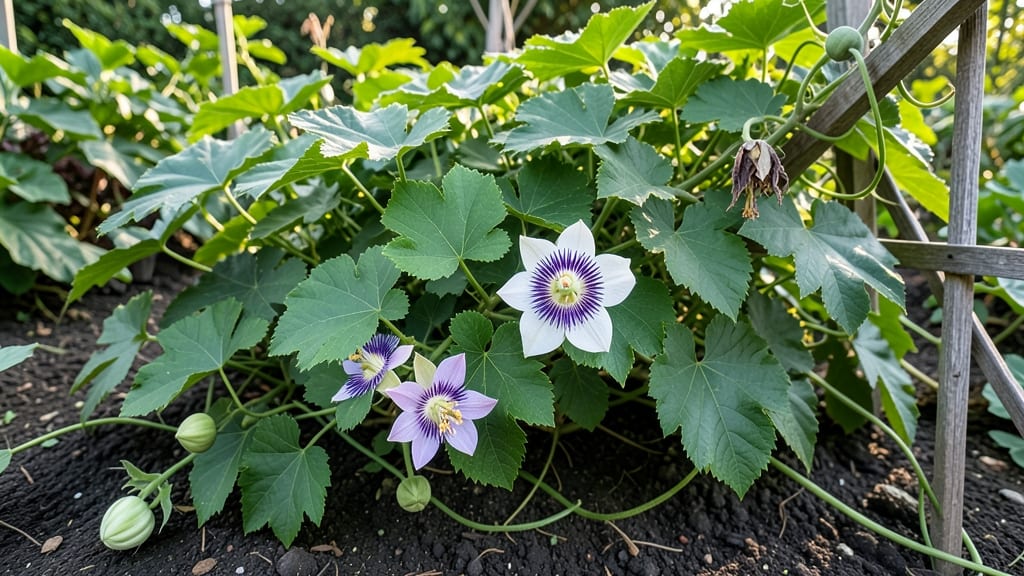
The stages of passion fruit flower development determine whether your 🍈 passion fruit vine will produce fruit—or just pretty blooms that fade away.
Did you know passion fruit flowers bloom for just one night—and missing their 24-hour window can mean no fruit? Understanding each stage of the passion fruit flower’s life cycle is the key to maximizing pollination and a bountiful harvest.
From tiny buds to fully open blooms, each phase plays a role in fruit set. The male and female flowers even look different—one with a crown of petals, the other with a hidden stigma. Without proper timing, pollinators (or your hand) won’t do their job.
In this guide, I’ll walk you through every stage—what to expect, how to spot them, and the simple tricks to boost your chances of a sweet, tropical harvest.
Passion fruit flower stages: a day-by-day breakdown of blooming & pollination
Passion fruit flowers are one of nature’s most fascinating botanical wonders, with a 24-hour blooming cycle that must be perfectly timed for successful pollination. Each flower follows a precise sequence from bud formation to wilting, and understanding these passion fruit flower stages is crucial for maximizing your harvest.
The process begins when the vine produces small, compact buds that will eventually open into the iconic, intricate flowers we recognize.
What makes passion fruit flowers unique is their night-blooming habit, which typically occurs between 6 PM and 8 PM in the evening. This timing attracts nocturnal pollinators like moths, which are essential for transferring pollen.
If you miss this window—or if pollinators aren’t present—you’ll likely end up with unpollinated flowers that drop within 24 hours, wasting your vine’s energy. Let’s break down each stage so you can identify them and intervene if needed.
| Stage | Visual Clues | Duration | Critical Actions |
|---|---|---|---|
| Bud Formation | Compact, green buds (½ inch wide) | 3-5 days | Monitor for pests; ensure vine is healthy |
| Pre-Bloom (Swollen Bud) | Bud swells to 1 inch; petals visible through translucent skin | 12-24 hours | Prepare for night blooming; check for pollinators |
| Full Bloom (Night) | Flower opens 3-5 inches wide; fragrant; purple/white | 24 hours (opens at dusk, wilts by dawn) | Hand-pollinate if no moths; protect from wind/rain |
| Post-Bloom (Wilting) | Petals droop; center remains upright if pollinated | 12-48 hours | Observe for fruit swelling (sign of pollination) |
| Fruit Set (Post-Pollination) | Small green fruit forms; flower base swells | 7-14 days | Thin fruit if overloaded; ensure consistent watering |
The first stage, bud formation, is where it all begins. You’ll notice small, compact buds forming along the vine’s new growth. These buds are typically green and tightly closed, measuring about ½ inch in diameter.
This stage can last 3 to 5 days, during which the bud gradually swells as it prepares for blooming. Pay close attention during this phase, as pests like thrips or spider mites can damage buds, preventing them from opening.
As the bud matures, it enters the pre-bloom stage, where it swells to about 1 inch in diameter. At this point, you’ll start to see the intricate petal structure through the translucent outer skin.
This stage lasts roughly 12 to 24 hours and is your first warning that the flower is about to open. If your vine is healthy and well-cared-for, you’ll see a flurry of activity as buds prepare for their one-night blooming window. 🌿
The full bloom stage is the most critical period for pollination, occurring exclusively at night. Passion fruit flowers typically open between 6 PM and 8 PM, revealing their stunning 3- to 5-inch-wide blooms with delicate purple and white petals.
The flower emits a sweet, intoxicating fragrance that attracts nocturnal pollinators like hawkmoths and sphinx moths. If you’re in an area with few pollinators, you may need to hand-pollinate during this stage to ensure fruit set.
By dawn, the flower enters the post-bloom stage, where petals begin to wilt and droop. However, the center of the flower—where the reproductive organs are located—remains upright if pollination has occurred.
This is a key visual clue: if the center stays firm and upright for more than 24 hours, pollination likely succeeded. If the entire flower wilts and falls off within 12 hours, it was likely unpollinated.
This stage is also when you’ll start to see the first signs of fruit development, such as a slight swelling at the base of the flower.
After successful pollination, the flower transforms into a tiny green fruit within 7 to 14 days. This final stage is where the magic happens—what was once a delicate bloom becomes the passion fruit we all love.
During this time, it’s important to monitor your vine for signs of fruit set stress, such as yellowing leaves or dropped buds, which can indicate issues like over-fertilization or nutrient deficiencies. Consistent watering and proper support for the vine will help ensure your fruits grow to maturity.
If you’re growing passion fruit in a region with limited pollinators, such as indoor gardens or areas with few moths, you’ll need to hand-pollinate the flowers. The best time to do this is during the first few hours of full
How to boost passion fruit pollination: best practices for each flower stage
Passion fruit flowers have a 24-hour window to be pollinated, making timing everything. Most varieties bloom at night, but some early-morning bloomers exist. The key to maximizing fruit set lies in understanding each flower stage and applying targeted techniques.
Whether you rely on natural pollinators or hand-pollination, small adjustments can dramatically improve your yield.
First, identify the three critical stages: bud formation, full bloom, and post-bloom. Each stage requires different care to ensure successful pollination. For example, buds need protection from wind and pests, while fully open flowers must be accessible to pollinators or your hands.
Ignoring these stages often leads to flower drop or poor fruit development.
Bud Formation (Pre-Bloom)
Protect buds from wind and pests like aphids. Use light shade cloth if winds exceed 10 mph. Prune nearby foliage to improve airflow and reduce humidity.
Full Bloom (Pollination Window)
For night-blooming varieties, hand-pollinate between 8 PM and 10 PM using a soft brush. For day-bloomers, pollinate by 10 AM. Ensure humidity levels stay above 60% for natural pollinators like bees and moths.
Post-Bloom (Fertilization Check)
After 48 hours, check for pollination success by looking for a tiny fruit bump at the flower’s base. If no bump appears, hand-pollinate again. Avoid over-fertilizing with nitrogen post-bloom, as it promotes foliage over fruit.
Common Mistakes to Avoid
Avoid watering flowers directly (causes drop), using chemical pesticides near blooms, or pruning during peak bloom. Instead, water at the base and use neem oil for pests.
To attract natural pollinators, plant companion flowers like sweet alyssum or marigolds nearby. These flowers provide nectar for bees and moths, which will visit your passion fruit blooms.
Additionally, ensure your vine receives balanced fertilization—too much nitrogen leads to lush leaves but fewer flowers. Aim for a 10-10-10 NPK ratio during the blooming season.
If you're hand-pollinating, use a soft-bristled paintbrush to transfer pollen from the male stamens (the long, thread-like structures) to the female stigma (the central raised part). Work gently to avoid damaging delicate petals. Repeat this process for 3 consecutive nights to ensure full pollination, especially in low-pollinator environments like greenhouses.
Monitor weather conditions closely, as high winds or extreme heat (above 90°F) can stress flowers and reduce pollination success. If rain is forecasted during the 24-hour bloom window, cover plants with a lightweight tarp to keep flowers dry.
Always remove the tarp by midday to allow natural light and airflow.
Finally, avoid the temptation to over-prune during the blooming season. Heavy pruning can remove potential flower buds and disrupt the plant’s energy balance. Instead, focus on light maintenance pruning to improve airflow and reduce disease risk.
With these stage-specific techniques, you’ll see a noticeable increase in fruit set and a healthier passion fruit vine overall.