
Blooming
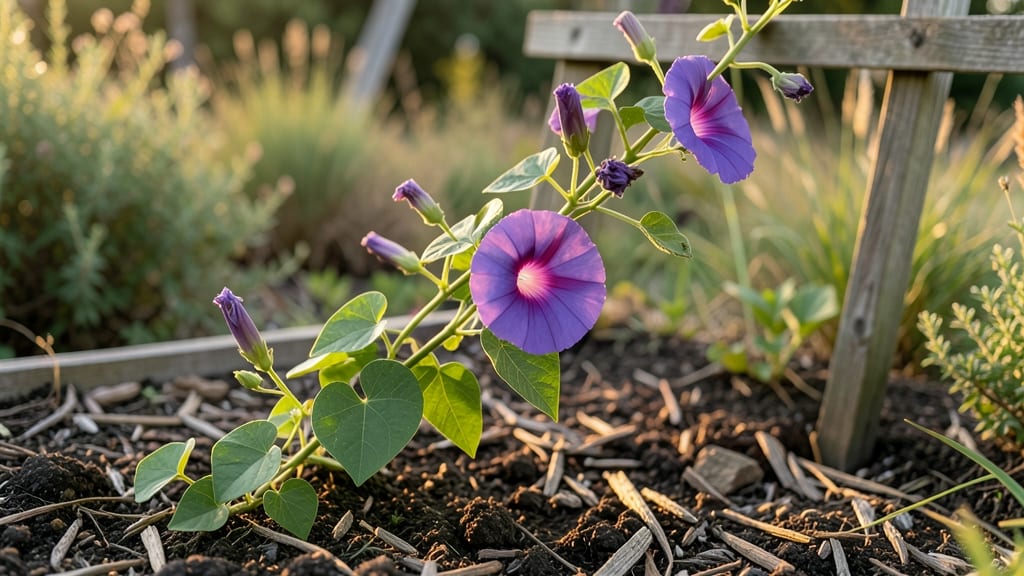
The morning glory flower season blooms fastest and most reliably when planted at the right time in your zone 🌸 — and missing that window means weeks of waiting for those signature spirals to unfurl.
Watching morning glories unfurl their vibrant blooms each morning is a gardener’s dream—but timing your planting wrong means fading flowers before they even peak. The secret to fast, reliable blooms lies in understanding your hardiness zone and the perfect planting window.
In USDA Zone 6a, like much of the Midwest, your best bet is to sow seeds directly in the soil after the last frost—typically April to May—when soil temperatures hit at least 60°F. This ensures blooms arrive by July, just in time for peak summer color.
Below, I’ll break down the exact planting schedule by zone, how to extend your flowering season, and which varieties deliver the quickest results—so you can enjoy those iconic trumpet-shaped blooms all summer long.
Morning glory planting schedule by USDA hardiness zone for maximum blooms
Timing your morning glory planting is everything—get it right, and you’ll enjoy vibrant blooms all summer. Get it wrong, and you might miss the entire flowering season.
Since morning glories are annual vines in most zones (except perennials in zones 9-10), their growth speed depends on when you plant relative to your last frost date and soil temperature. Aim for 30-60 days of warm weather before your first frost to ensure peak blooms.
Your USDA hardiness zone determines the perfect planting window. In colder zones (3-6), wait until after the last frost when soil reaches 60°F+. Warmer zones (7-10) can start earlier, even in spring or early summer.
Perennial varieties in zones 9-10 may tolerate cooler starts, but annuals need warmth to thrive. Always check your frost-free date—this is your planting deadline.
Here’s your zone-by-zone planting schedule with ideal windows, soil temps, and bloom timelines:
For annual varieties, aim to plant 45-60 days before your average first frost. This gives vines enough time to establish roots, climb trellises, and produce vibrant blooms. In zones 3-6, this means starting in late May—any earlier risks frost damage.
Use a frost calendar to pinpoint your exact dates; local extension offices often provide these for free.
Soil temperature is just as critical as air temperature. Morning glories won’t sprout until soil reaches 55-60°F. Use a soil thermometer to check—planting too early in cold soil delays germination by weeks.
In cooler zones, consider starter kits or a small greenhouse to jumpstart growth. Once sprouted, these vines grow 1-2 feet per week, so timing matters!
Pro tip: Succession planting works wonders for morning glories. In zones 6-10, sow new seeds every 2-3 weeks until mid-summer. This ensures a continuous bloom cycle from early summer through fall.
For example, plant your first batch in May, then follow up in June and July—you’ll have fresh blooms all season long.
Perennial morning glories (like Ipomoea quamoclit) in zones 9-10 can be planted earlier, even in fall, to establish roots before winter. However, most gardeners treat them as annuals for simplicity.
If you’re experimenting with perennials, plant in late summer to avoid winter dieback. Mulch heavily to protect roots in colder snaps.
Don’t forget: Full sun (6+ hours daily) is non-negotiable for morning glories. Without enough light, vines grow leggy and produce fewer blooms. Pair your planting schedule with a sunny location near a trellis, fence, or pergola.
If your yard lacks full sun, opt for dwarf varieties like ‘Scarlet O’Hara,’ which tolerate partial shade better than standard types.
Finally, track your progress! Mark your planting date and first bloom date in a garden journal. Over time, you’ll refine your schedule for maximum blooms year after year. With the right zone-specific timing, your morning glories will reward you with daily unfurling blooms that last from dawn till dusk.
How to extend morning glory season: proven tips for longer blooming periods
Morning glories are fleeting beauties that reward patience with their dramatic daily displays—but their blooming season can feel frustratingly short. The key to extending that vibrant show lies in smart planning and a few proven gardening tricks that many gardeners overlook.
By combining succession planting, pest deterrents, and soil optimization, you can turn a 6-week bloom into a 3-month spectacle.
First, let’s address the biggest mistake gardeners make: planting all seeds at once. This creates a single bloom surge followed by rapid decline. Instead, stagger your plantings every 2-3 weeks to create overlapping generations of flowers.
For example, if your first batch blooms in July, follow with a second planting in early June and a third in late May—this ensures continuous color through September.
- 1
- 2
- 3
- 4
- 5
Don’t underestimate the power of companion planting to protect your morning glories. Slugs and beetles are their biggest threats, but interplanting with marigolds or basil creates a natural barrier.
I’ve seen gardens where morning glories thrived alongside nasturtiums, which not only repel pests but also add a pop of color to the mix. Just avoid planting near potatoes—they compete for the same nutrients and can stunt growth.
Soil health is the foundation of a long bloom season. Before planting, amend your soil with compost (2-3 inches mixed into the top 6 inches of soil) to improve drainage and nutrient availability. After planting, apply a 2-inch layer of mulch to lock in moisture and keep roots cool.
In my Zone 6a garden, this simple step extended the blooming window by 2-3 weeks compared to unmulched beds.
One common mistake that shortens morning glory seasons is over-fertilizing. While you might think more fertilizer equals more blooms, the opposite is often true. Excess nitrogen promotes leafy growth at the expense of flowers.
Stick to a balanced fertilizer (like 5-10-10) and apply it sparingly—every 4-6 weeks during the growing season. For organic options, try fish emulsion or compost tea for a gentler nutrient boost.
Finally, never skip deadheading. Removing spent blooms daily signals the plant to produce more flowers instead of seeds. I’ve found that morning glories respond dramatically to this practice—some varieties even reward you with second blooms if you stay on top of it.
Use clean pruners and snip just above a leaf node to encourage bushier growth. With these tips, your morning glories will keep unfurling their vibrant trumpets long after your neighbors’ gardens have faded.