
Blooming
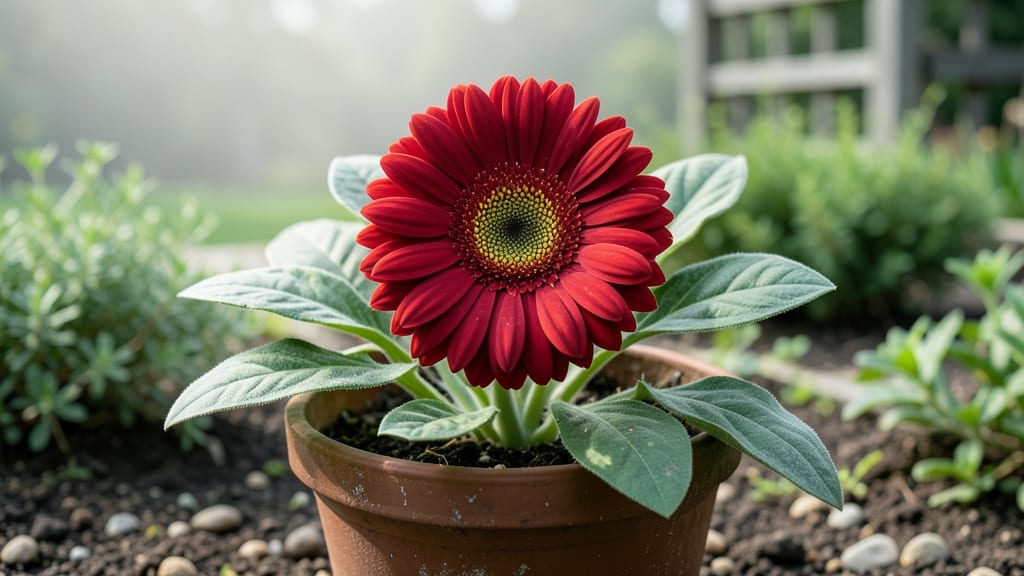
The gerbera flower season brings bursts of sunshine to your garden 🌼—but only if you time it right. If you’ve ever planted them too early and watched frost nip the buds, or too late and missed their peak, you know how critical the schedule is.
This cheerful annual thrives in spring, but the exact months depend on your climate zone. In cooler regions like USDA Zone 6a, start seeds indoors by March and transplant after the last frost—usually mid-April. Warmer zones can stretch blooms from spring straight into fall with the right tricks.
Here’s the breakdown you need: when to plant, how to extend the season, and the common mistakes that cut blooms short. With these tips, your gerbera daisies will reward you with nonstop color from June through September.
Ready to turn your garden into a rainbow? Let’s dive into the exact planting windows and pro tips to keep those flowers happy all season long.
Gerbera flower season by USDA climate zones: exact months for planting and blooming
Gerbera daisies thrive when planted at the right time, but their blooming windows vary dramatically across USDA climate zones. In Zone 3, for example, you’ll need to time your planting to avoid late frosts, while Zone 11 gardeners can enjoy year-round color with minimal adjustments.
Understanding these seasonal patterns ensures your gerberas burst into vibrant blooms for 8+ weeks straight.
The key to success lies in matching your local frost dates with gerbera’s heat-loving nature. These flowers despise cold snaps, so knowing when to plant—whether in spring or fall—makes all the difference.
Let’s break down the exact months for planting and blooming by zone, including frost-sensitive tips for tropical regions.
🌼 Pro Tip: Always plant gerberas after the last frost date in your zone. Use a soil thermometer to confirm temperatures stay above 60°F (15°C) before transplanting seedlings.
In Zones 3-4, where winters are harsh, focus solely on spring planting after Memorial Day. These zones have the shortest growing season, so choose early-blooming varieties like 'Annette' or 'Marmalade' for maximum color before fall frosts arrive.
Use black plastic mulch to warm soil faster and extend the season by 2-3 weeks.
For Zones 5-6, both spring and fall planting work beautifully. Start seeds indoors in February for transplants ready by late April. Fall plantings should occur by early September to allow roots to establish before winter.
In these zones, gerberas typically bloom from June through October, with peak color in July and August.
Gardeners in Zones 7-8 enjoy the longest blooming windows, from May through November. Take advantage of this extended season by planting in both spring and fall.
Fall plantings in September-October often produce second blooms the following spring. Use lightweight row covers if early frosts threaten your plants in October.
Tropical Zones 9-11 offer unique opportunities for year-round gerbera culture. While spring planting (February-March) yields the most vibrant blooms, fall plantings (October-November) can extend color into winter.
In these zones, gerberas appreciate afternoon shade during peak summer heat to prevent bud drop. Mulch heavily to retain moisture and protect roots from temperature swings.
💡 Zone-Specific Hack: In Zone 10-11, try planting gerberas in elevated containers with self-watering reservoirs. This prevents root rot from summer monsoons while keeping flowers blooming continuously. Use a 50-50 peat-perlite mix for optimal drainage.
Regardless of your zone, always choose disease-resistant varieties like 'Teresa' or 'Scarlet' to combat fungal issues common in humid climates. Deadhead spent blooms weekly to encourage continuous flowering throughout the season. With these zone-specific strategies, you’ll enjoy nonstop gerbera color tailored
How to extend your gerbera flower season with smart gardening techniques
Gerbera daisies thrive when given the right conditions, but their natural blooming season can feel short-lived. With the right techniques, you can push those vibrant flowers to last 2-3 months longer than average.
The key lies in strategic planting, soil management, and companion plants that work together to keep your gerberas happy and blooming.
First, let's tackle the biggest secret to extending the season: succession planting. Instead of planting all your gerberas at once, stagger them every 2-3 weeks during your ideal planting window.
This ensures a continuous display of blooms, with each new batch taking over as the previous one starts to fade. For example, if your zone allows spring planting from March to April, plant a fresh batch every 14 days.
Plant every 2-3 weeks during your zone's ideal window
Move pots to sunniest spots or protect from frost with frost cloth
Use black plastic mulch to raise soil temp by 5-10°F for earlier planting
Pair with cosmos or marigolds to repel pests and attract pollinators
Remove spent blooms weekly to encourage 20-30% more flowers
Container gardening offers flexibility that in-ground planting can't match. By growing your gerberas in 10-12 inch pots, you can move them to follow the sun throughout the day or bring them indoors during light frosts.
This mobility is especially valuable in Zone 7 and colder, where even a single frost can end the season abruptly. Use pots with drainage holes and fill them with a light, well-draining potting mix to prevent root rot.
Soil temperature plays a crucial role in gerbera development. These flowers prefer soil that stays above 60°F (15°C). To extend your growing season, try using black plastic mulch around your planting area.
This simple trick can raise soil temperatures by 5-10°F, allowing you to plant 2-3 weeks earlier in spring and potentially 1-2 weeks later in fall before frost arrives. For container plants, use heat mats during cooler evenings to maintain optimal root temperatures.
Don't underestimate the power of companion planting when it comes to extending your gerbera season. Planting cosmos, marigolds, or nasturtiums nearby creates a beneficial ecosystem. These companions repel pests like aphids that commonly attack gerberas, while also attracting pollinators that improve flower production.
Additionally, taller companions can provide wind protection, reducing stress on your gerberas during hot afternoons. For maximum benefit, interplant these companions at the same time as your gerberas.
Finally, implement a weekly deadheading routine to keep your gerberas producing flowers. Simply snip off spent blooms just above the next set of leaves using clean scissors. This simple act encourages your plants to produce 20-30% more flowers throughout their season.
When combined with the other techniques above, you'll create a gerbera display that stays vibrant for 3-4 months instead of the typical 2 months. Remember to always use clean tools to prevent disease transmission between plants.
With these smart techniques, your gerbera season will feel endless. The key is consistency—stagger those plantings, stay on top of deadheading, and watch your garden transform into a continuous rainbow of color from early summer through fall. 🌼