
Flowers
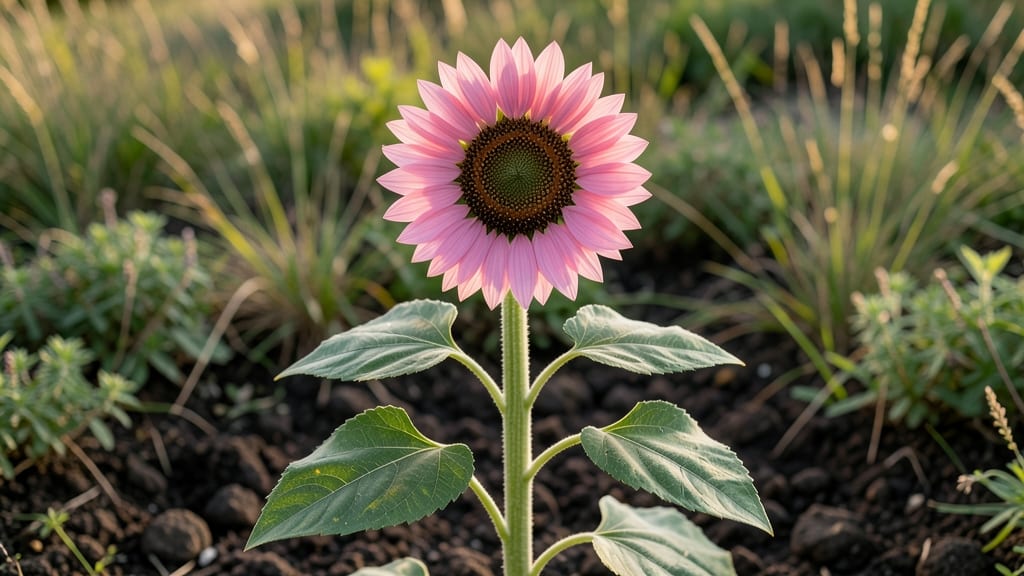
How tall do pink sunflowers grow? They often reach heights between 3 and 14 feet depending on the variety you choose 🌻 — some even stretch toward the sky like natural skyscrapers!
Picture this: a towering 10-foot bloom dominating your garden’s skyline, its vibrant pink petals catching every sunset. But not all pink sunflowers are giants—some stay compact, perfect for containers or borders. The key? Knowing which variety fits your space and design goals.
Height isn’t just about aesthetics—it affects spacing, support needs, and even how you arrange your garden. A 6-foot variety might need staking, while a 2-foot dwarf stays sturdy on its own. Below, I’ll break down the height ranges by popular types and share tips to help yours thrive.
Ready to plan your dream sunflower display? Let’s dive into the varieties that will make your garden the talk of the neighborhood—whether you want drama or delicate charm.

Pink sunflower height ranges by popular variety: from dwarf to giant
Pink sunflowers come in a stunning array of heights, from compact container-friendly varieties to towering landscape giants. The right choice depends on your space and design vision—whether you want borders, focal points, or pollinator gardens.
Let’s explore the height ranges of 10+ popular pink sunflower varieties, so you can pick the perfect fit for your garden.
Sunflower height is primarily determined by genetics, but growing conditions like sunlight, soil nutrients, and watering can influence their final stature. Dwarf varieties stay under 2 feet, while giant types can reach 12+ feet.
I’ll break down the specifics for each category, including the ideal growing conditions to maximize their potential.
Here’s a quick look at the height spectrum of pink sunflowers, from miniature to skyscraper varieties:
For dwarf varieties like 'Teddy Bear' (12–24 inches), focus on containers or front-of-border plantings. These are perfect for patios or small spaces where height isn’t a concern. They thrive in well-draining soil and consistent moisture, making them ideal for beginners.
Medium-height varieties like 'Cherry Glaze' (36–48 inches) and 'Pink Banana' (24–36 inches) strike a balance, working well in mixed borders or as cut flowers. These types benefit from staking if planted in wind
How sunflower height affects garden design: spacing, support, and best uses
Pink sunflowers transform your garden into a vibrant canvas, but their height determines where they shine best. Tall varieties (6-14 feet) demand space and support, while dwarf types (1-3 feet) thrive in containers or borders. Understanding these differences helps you design layouts that maximize beauty without crowding.
Your first decision should be spacing requirements. Giant sunflowers need 18-24 inches apart to avoid competition, while dwarf varieties can sit just 6-12 inches apart. This simple rule prevents overcrowding and ensures each plant gets the sunlight and nutrients it needs to reach its full potential.
Here’s how height impacts your garden design:
- Best for: Focal points, back of borders
- Spacing: 18-24" apart
- Support: Sturdy stakes or trellises
- Design tip: Plant 3-5 together for drama
- Best for: Mid-border accents, pollinator gardens
- Spacing: 12-18" apart
- Support: Light staking if windy
- Design tip: Mix with perennials for layered looks
- Best for: Containers, window boxes, front borders
- Spacing: 6-12" apart
- Support: None needed (compact stems)
- Design tip: Group 5-7 in pots for impact
- Pot size: 12"+ diameter for dwarf types
- Drainage: Essential to prevent root rot
- Fertilizer: Use slow-release granules
- Bonus: Attracts bees and butterflies
Tall sunflowers need additional support to prevent flopping, especially in windy areas. Use bamboo stakes or spiral supports inserted at planting, securing stems with soft ties as they grow. For containers, choose heavier pots to anchor the plant naturally.
Consider pollinator gardens too—taller varieties create vertical habitats for bees and butterflies, while dwarf types provide ground-level forage. Plant in clusters of 3-5 plants to maximize their impact on local wildlife and your garden’s aesthetic appeal.
Experiment with height contrasts by pairing tall sunflowers with shorter perennials like black-eyed Susans or coneflowers. This creates dynamic layers that draw the eye through your garden, making every season more visually engaging.