
Size
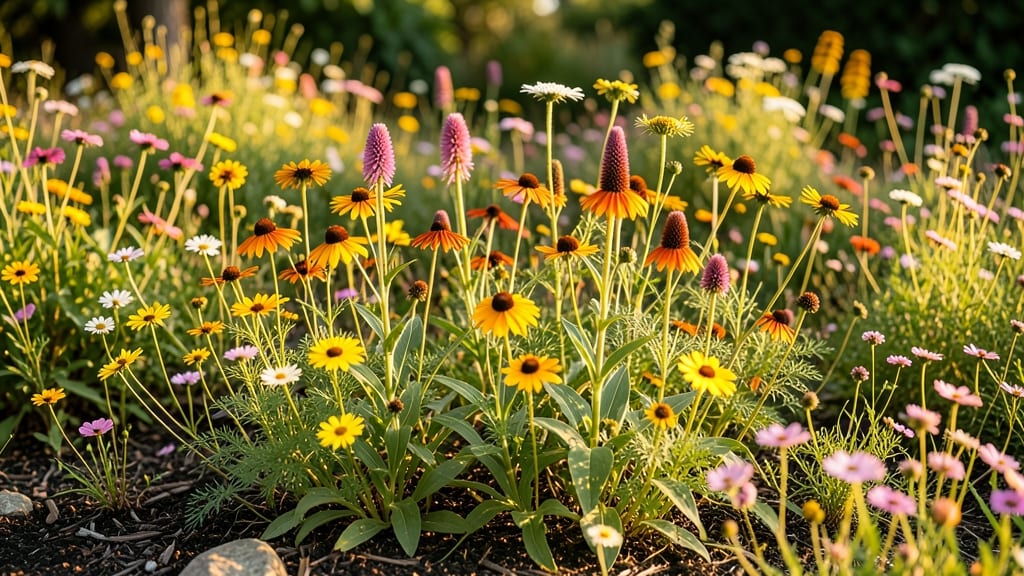
How tall do wildflowers grow? They range anywhere from under 6 inches to over 6 feet, depending on the species, and knowing these ranges is the key to designing a garden that thrives without taking over.
Picture this: a delicate blanket of bluebonnets hugging the ground, then suddenly towering sunflowers reaching for the sky—all in the same meadow. That dramatic height shift happens more often than you’d think, and it’s all about choosing the right mix for your space.
From dwarf varieties like alyssum (perfect for borders) to giants like giant fleabane (ideal for meadows), the height differences aren’t just about aesthetics—they shape how you plant, space, and maintain your garden.
In this guide, I’ll break down the height ranges of popular wildflowers, share tips for balancing tall and short species, and show you how to create a pollinator-friendly landscape that stays lush without losing control.

Wildflower height ranges by growth habit: dwarf to towering varieties
Designing a wildflower garden isn't just about color—it's about height balance. Some varieties stay under 6 inches, perfect for containers or rock gardens, while others reach 6 feet or taller, creating dramatic focal points.
Understanding these growth habits helps you plan layers, prevent overcrowding, and maximize pollinator access.
I’ve grown wildflowers from tiny alpine species to giant sunflowers, and the difference in spacing and maintenance is night-and-day. Let’s break down the height spectrum so you can mix ground covers, border plants, and statement species like a pro.
Pro Tip: Always check mature height labels on seed packets—what starts as a 6-inch seedling can become a 5-foot giant by summer!
Dwarf wildflowers like creeping thyme (under 6") are ideal for spilling over container edges or carpeting slopes. Their low stature makes them perfect for walkway borders where you want to avoid tripping hazards. I’ve used them to edge my garden paths with a fragrant, pollinator-friendly carpet!
For mid-height borders (12"–36"), think black-eyed Susans and coneflowers. These work beautifully in pollinator gardens because they’re tall enough to attract bees and butterflies but not so tall they block sunlight for shorter plants below. Space them 12–18 inches apart to avoid overcrowding.
Tall wildflowers like sunflowers (4–10 feet!) and Joe-Pye weed (5–7 feet) need plenty of space—at least 3–4 feet between plants. They’re statement species that draw hummingbirds and bees from miles away.
Plant them in groups of 3–5 for maximum impact, and avoid placing them near smaller perennials that might get shaded out.
One of my favorite height combinations is pairing dwarf cosmos (12–18") with tall verbena (3–4 feet). The cosmos spills over container edges while the verbena adds vertical interest in the back. This creates a natural layered look without needing a formal garden bed.
If you’re designing a wildflower meadow, aim for a gradual height transition: shorter species in the front, mid-height in the middle, and tall varieties in the back. This mimics nature’s ecosystem layers and ensures every pollinator has access to nectar at their preferred height.
For container gardening, stick to dwarf or semi-dwarf varieties like lobelia (6–12") or nasturtiums (6–12"). These thrive in 5-gallon pots and can be combined with herbs like thyme for a pollinator-friendly edible garden. Just ensure your container has drainage holes—wildflowers hate soggy roots!
Remember: Soil quality and sunlight exposure can affect height. For example, sunflowers grown in poor soil may stay shorter, while those in rich compost can reach 10 feet! Always amend your soil with compost before planting to encourage healthy, balanced growth.
🌼
Best wildflowers for small gardens vs. large meadows by height
Designing a wildflower garden isn't one-size-fits-all—your space dictates which varieties will thrive. Small gardens and containers need compact wildflowers that stay under 2 feet tall, while large meadows can accommodate towering varieties reaching 6 feet or more.
The key is matching plant height to your space while ensuring pollinators have easy access to nectar at every level.
For small gardens, focus on dwarf wildflowers like creeping thyme or alyssum, which spill beautifully over container edges. In larger areas, tall wildflowers such as sunflowers or coneflowers create dramatic focal points.
Let's explore the best options for each scenario, so you can create a balanced, low-maintenance pollinator paradise.
Small Gardens (Containers/Borders) vs. Large Meadows
Small Gardens
- Height: <12-24"
- Best for: Containers, borders, walkways
- Examples: Alyssum, Creeping Phlox, Baby's Breath
- Spacing: 6-12" apart
- Pros: Low maintenance, spills beautifully
Large Meadows
- Height: 24-72"
- Best for: Pollinator highways, wildflower meadows
- Examples: Sunflowers, Coneflowers, Black-Eyed Susans
- Spacing: 12-36" apart
- Pros: Dramatic impact, supports pollinators
Tip: Mix heights in meadows to create layers for pollinators.
For small gardens, I recommend starting with creeping thyme (6-12 inches) in containers—its fragrant foliage and tiny purple flowers attract bees while staying perfectly contained. Pair it with alyssum (6-12 inches), a drought-tolerant annual that blooms in white, pink, or purple from spring to frost.
These low-growing wildflowers thrive in full sun and well-draining soil, making them ideal for urban balconies or rock gardens.
In large meadows, tall wildflowers like sunflowers (3-6 feet) or giant fleabane (3-5 feet) create vertical interest and provide late-season nectar for butterflies.
Plant these statement species in clusters at the back of your meadow, surrounded by medium-height varieties like black-eyed Susans (2-3 feet) and purple coneflowers (2-4 feet) to create a gradual height transition.
To minimize maintenance, I always group wildflowers by height and water needs. For example, dwarf varieties like clover or wild bergamot (1-2 feet) can share containers with succulents to reduce irrigation.
In meadows, mow tall wildflowers once a year in late fall to prevent seed heads from dominating the space and to encourage new growth in spring.
One of my favorite pollinator-friendly combinations for small spaces is lavender (1-2 feet) with calendula (1-2 feet), both of which thrive in poor soil and dry conditions.
For larger areas, mix tall grasses like switchgrass (4-6 feet) with wildflower blooms to create movement and texture. Always leave some seed heads for birds and deadhead spent blooms to redirect energy into new growth.
If you're unsure about spacing, I suggest planting wildflowers in drifts rather than rows. This creates a natural look while ensuring no single plant feels overcrowded.
For containers, use 3-5 plants per gallon of soil, and in meadows, space tall varieties 18-24 inches apart to allow airflow and prevent disease. With the right mix, your wildflower garden will thrive year after year with minimal effort.