
Watering
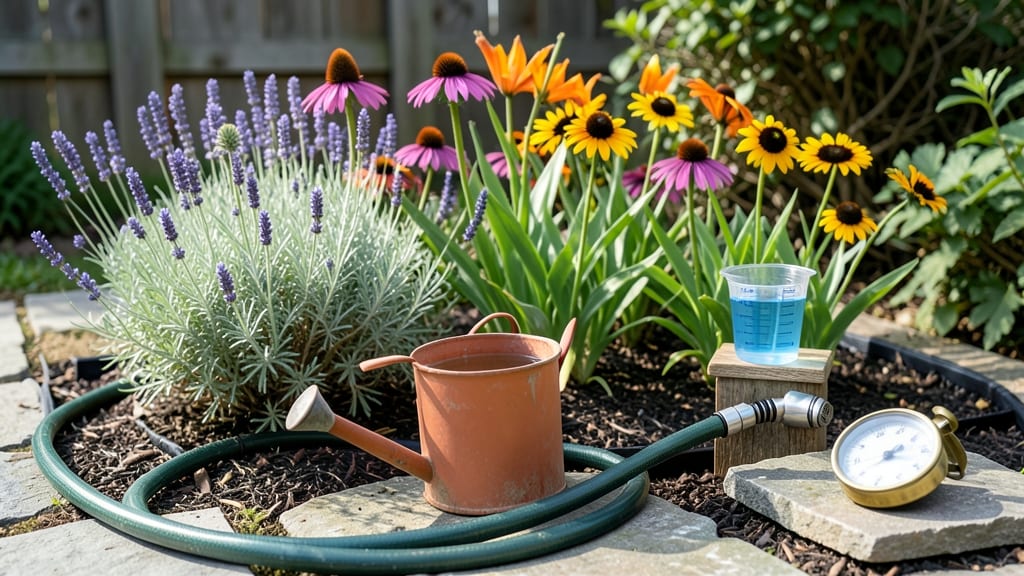
Watering flower beds the right way means knowing how often to water so your 🌸 thrives without wasting a drop.
Overwatering or underwatering your flower beds can mean the difference between vibrant blooms and wilted disappointment—so how do you strike the perfect balance?
Soil type, season, and even plant species play a huge role. Sandy soil drains fast, while clay holds moisture longer, and summer heat demands more frequent watering than spring showers.
In this guide, I’ll break down the exact schedule for your flower beds, from deep watering techniques to tools that make it easier—so you never guess again.
Watering frequency by soil type: clay, sandy, and loamy differences
Your flower beds thrive when watered just right—but soil type changes everything. Clay soil holds moisture like a sponge, while sandy soil drains faster than a sieve. Loamy soil, the gardener’s gold standard, strikes the perfect balance.
Understanding these differences helps you avoid root rot or parched plants, keeping blooms vibrant all season.
I’ve tested these soil types in my own garden, and the results speak for themselves. Clay-heavy beds might need watering every 5-7 days in summer, while sandy patches can dry out in just 2-3 days.
Loamy soil? Every 3-5 days keeps roots happy without drowning them. Let’s break down the science—and schedules—so you can water with confidence.
🌱
| Soil Type | Water Retention | Watering Frequency (Summer) | Key Risks | Pro Tip |
|---|---|---|---|---|
| Clay | High (holds moisture) | Every 5-7 days | Root rot, fungal growth | Amend with compost to improve drainage |
| Sandy | Low (drains quickly) | Every 2-3 days | Drought stress, shallow roots | Add organic matter to boost moisture retention |
| Loamy | Moderate (ideal balance) | Every 3-5 days | Minimal risks if well-maintained | Mulch to conserve moisture and regulate temperature |
For clay soil, I’ve learned to water deeply but less often. The key is letting the top 2-3 inches dry out before watering again.
Use a soil moisture meter to avoid guesswork—clay can feel damp on the surface but bone-dry deeper down. Drip irrigation works best here, delivering water slowly to prevent runoff.
If your flower beds sit in sandy soil, you’ll need to water more frequently but in shorter bursts. Sandy soil drains so quickly that morning watering is critical—it gives roots time to absorb moisture before the heat of the day evaporates it.
Consider hydrogel crystals mixed into the soil to slow drainage and keep roots hydrated longer.
Loamy soil is the goldilocks zone for watering. It drains well but retains enough moisture to keep roots happy. My loamy flower beds thrive on a consistent schedule: deep watering every 3-5 days in summer, with mulch applied 2-3 inches thick to lock in moisture.
This soil type forgives occasional slip-ups, making it perfect for beginners.
Don’t forget to adjust for seasonal changes. In spring and fall, reduce watering to every 5-7 days for clay and loam, and every 3-4 days for sand. Winter slows everything down—monthly watering is often enough, even for sandy soil.
Always check the soil’s moisture level before watering; stick your finger 2 inches deep—if it’s dry, it’s time to water.
One common mistake I see? Watering based on appearances alone. Just because the leaves look perky doesn’t mean the roots are hydrated. Yellowing leaves or wilting despite recent watering often signal root issues tied to soil type.
For clay, it might be compaction restricting roots; for sand, it could be nutrient leaching. Amend your soil with compost or aged manure to improve structure and fertility.
Pro tip: Group plants with similar water needs together in your flower beds. Drought-tolerant lavender and salvia pair well in sandy soil, while hydrangeas and hostas prefer the moisture-retentive clay. This hydrozoning makes watering efficient and reduces stress on your plants.
💧
Seasonal watering adjustments: spring, summer, fall, and winter guide
Adjusting your watering schedule with the seasons keeps your flower beds thriving year-round. Spring brings gentle growth, summer demands drought resilience, fall slows down root activity, and winter requires minimal moisture. Each shift in temperature and daylight directly impacts how often—and how deeply—you should water.
For example, spring watering focuses on rehydrating soil after winter dormancy, while summer heat can dry out roots in just 24 hours. Understanding these seasonal cues prevents both overwatering and underwatering, ensuring your blooms stay vibrant without wasting water.
🌱 Seasonal Watering Schedule for Flower Beds
- 1
- 2
- 3
- 4
In summer, I always switch to drip irrigation or soaker hoses to deliver water directly to roots, minimizing waste. For winter, a layer of mulch (2–3 inches) acts as insulation, protecting roots from freezing temperatures while keeping soil slightly moist.
Pro tip: Use a moisture meter to check soil conditions before watering. Most flower beds need 1–1.5 inches of water per week, but adjust based on rainfall. For example, after a 1-inch rain, skip your scheduled watering to avoid root rot.
Pay attention to leaf color and soil texture—yellowing leaves or cracked soil signal it’s time to water, while mushy stems mean you’re overdoing it. With these seasonal tweaks, your flower beds will stay lush and healthy all year.
🌿