
Flowers
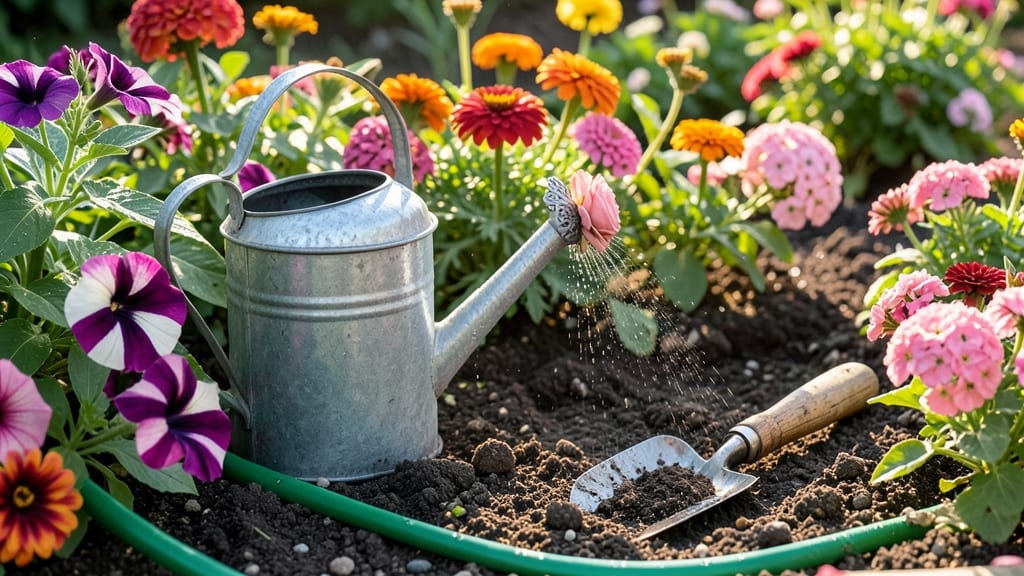
Watering flowers the right way means knowing how often to water them without drowning or starving their roots—because even the hardiest blooms need a consistent schedule to thrive.
Struggling to keep your flowers thriving? Overwatering or underwatering can both kill plants—so knowing the exact watering schedule for each flower type is the secret to a lush, vibrant garden all year.
In Zone 6a, where spring planting kicks off in March, your watering routine shifts dramatically from the heat of summer to the chill of winter. Roses, petunias, and succulents all have different needs, and skipping the seasonal adjustments can mean wilted blooms or soggy soil.
Here’s the breakdown you need: when to water by plant type, how to read your soil for clues, and the smartest methods to save time and water without wasting a drop.
Watering frequency by flower type: a seasonal breakdown
Watering flowers isn't one-size-fits-all—each type has unique needs that change with the seasons. Roses and hydrangeas crave consistent moisture, while succulents and lavender thrive on neglect. Understanding these differences saves time and keeps your garden lush and healthy.
Let’s break down the ideal watering schedules for popular flowers, adjusted for spring’s gentle rains, summer’s scorching heat, fall’s crisp air, and winter’s dormancy.
Spring is all about establishing roots, so most flowers need 2-3 waterings per week unless rain does the work for you. Summer demands daily or every-other-day watering, especially for thirsty varieties like petunias and geraniums.
Fall slows down growth, reducing needs to weekly waterings, and winter often means cutting back to bi-weekly or monthly—unless you’re growing frost-tolerant pansies or violas.
Here’s how to tailor your watering routine to each flower’s personality, with seasonal tweaks to avoid common pitfalls like root rot or wilting.
For roses, deep watering once a week in summer (1-1.5 inches of water) encourages strong root growth. Hydrangeas love moisture but hate soggy soil—aim for 1-2 inches per week and mulch to retain humidity. Succulents, on the other hand, store water in their leaves, so overwatering is their biggest enemy.
Stick to every 7-10 days in summer and let the soil dry completely between waterings.
Annuals like petunias and marigolds are heavy drinkers, especially in summer. Water them daily in extreme heat, but reduce to every other day when temperatures drop. Drought-tolerant flowers like lavender and yarrow thrive on infrequent, deep waterings.
In summer, water them every 5-7 days, but cut back to every 2-3 weeks in fall.
Seasonal adjustments are key. In spring, focus on establishing roots—water lightly but frequently. Summer’s heat demands deep, early-morning waterings to prevent evaporation and fungal diseases.
Signs your flowers need water (and when to adjust)
Even the most experienced gardeners sometimes struggle with watering schedules. Flowers send clear signals when they're thirsty—or drowning. Learning to read these cues helps you adjust your routine before damage occurs. Soil moisture and leaf condition are your best indicators, but weather and plant type play huge roles too.
Start by checking the top 1-2 inches of soil with your finger. If it feels dry to the touch, most flowers need water. For potted plants, lift the container—if it’s light, it’s time to hydrate. Seasonal changes also shift watering needs dramatically, especially between summer heatwaves and winter dormancy.
⚠️ Watering Mistake Alert!
Most gardeners overwater in spring and fall because they assume flowers need more moisture. Adjust frequency based on rainfall—skip watering if you’ve had 1 inch of rain in the past week. Potted flowers dry out faster than in-ground plants, so check them daily in summer.
Wilting leaves are the most obvious sign of thirst, but don’t assume all wilting means dehydration. Overwatered flowers also wilt—look for yellowing leaves, mushy stems, or soil that smells sour. Morning wilting that recovers by afternoon is normal, but if leaves stay droopy all day, your plants need water immediately.
Young flowers and newly planted seedlings require more frequent watering—every 1-2 days in hot weather—to establish roots. Mature perennials, like lavender or daylilies, often thrive on weekly deep waterings. Always water at the base of the plant, not the leaves, to prevent fungal diseases like powdery mildew.
Adjust your schedule based on pot size too. A 6-inch pot may need water every 2 days, while a 12-inch container can go 4-5 days. Group plants with similar needs together to streamline care—like placing thirsty petunias near your watering hose and drought-tolerant succulents in a separate bed.
When in doubt, underwater slightly rather than overwater. Most flowers bounce back from a dry spell, but soggy soil leads to root rot and death within days. Keep a watering journal to track what works for your garden—note the weather patterns, plant types, and adjustments you make each season.
With practice, you’ll develop an intuition for your flowers’ needs. Trust the soil, not the calendar, and your garden will reward you with vibrant blooms all season long. 🌸