
Flowers
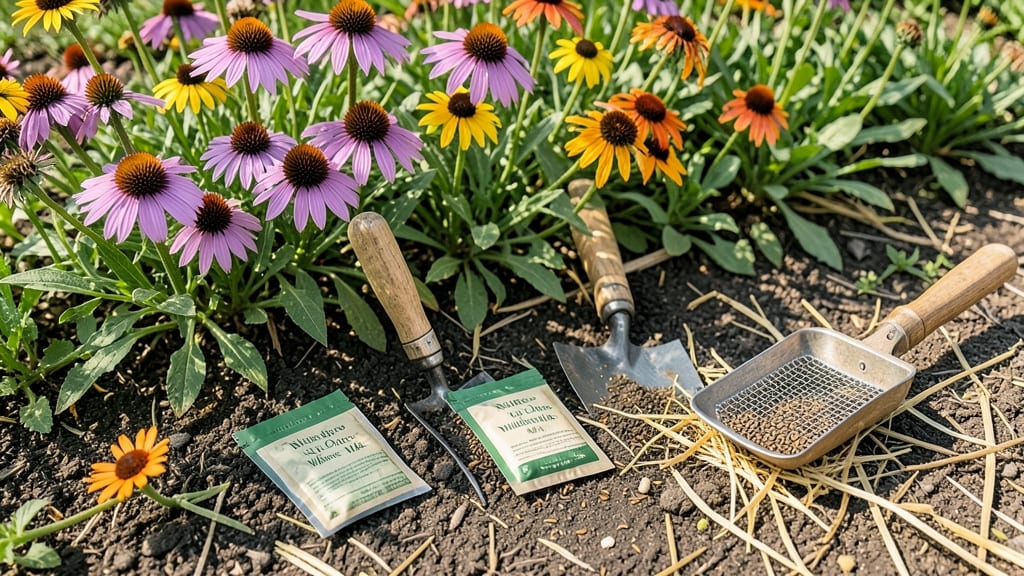
Plant wildflowers in Ohio between early March and April for spring blooms or late September to October for fall planting, aligning with the 6a climate zone and avoiding late frosts.
Ohio’s unpredictable spring weather can turn a beautiful wildflower meadow into a gamble—unless you plant at the perfect time. Timing isn’t just about avoiding frost; it’s about maximizing blooms, attracting pollinators, and ensuring your 🌼 wildflowers thrive year after year.
Southern Ohio’s milder winters mean you can start as early as February, while northern regions should wait until mid-April to ensure seeds aren’t nipped by frost. Fall planting, on the other hand, gives roots time to establish before winter, often leading to earlier and more vibrant blooms the following year.
Below, I’ll break down the ideal frost-free windows, soil prep tips, and the best native species for Ohio’s varying climates—so you can transform your garden into a pollinator paradise without the guesswork.
Ohio wildflower planting calendar: best months by frost dates and climate zones
Ohio’s USDA Zones 5-6 create a unique challenge for wildflower planting—late frosts in spring and variable soil temperatures demand precision timing. Southern Ohio (Zone 6) enjoys 10-14 days earlier frost-free windows than northern Ohio (Zone 5), meaning your planting schedule should shift 2-3 weeks depending on location.
For vibrant blooms, aim for two key windows: early spring and early fall.
Spring planting (March-April) gives wildflowers a 6-8 week head start before summer heat, while fall planting (September-October) allows seeds to germinate early and establish roots before winter. Annuals like cosmos thrive in spring, while perennials such as purple coneflower benefit from fall’s cooler soil.
Here’s your month-by-month guide to Ohio’s wildflower planting, accounting for frost dates, soil temps, and regional differences:
For northern Ohio, wait until mid-April for outdoor planting—soil temperatures must stay above 50°F for consistent germination. In southern Ohio, you can start as early as late February in protected microclimates like greenhouses or south-facing beds.
Pro tip: Use a soil thermometer to confirm readiness—wildflower seeds need 55°F+ soil to sprout reliably. If temps dip below this, cover seeds with straw mulch to retain warmth until conditions improve.
Fall planting offers a second
How to adjust planting time for Ohio’s unpredictable weather (rain, late frosts, and humidity)
Ohio’s spring weather can be a wild card—one day it’s 60°F and sunny, the next it’s 32°F with frost. For wildflowers, this unpredictability means the difference between a thriving meadow and a failed experiment.
The key is flexibility: knowing when to hold off, when to protect seedlings, and how to leverage fall planting for next-year success.
Late frosts in Ohio often hit after April 15, especially in northern regions like Zone 5b. Southern Ohio (Zone 6a) may escape frost by mid-March, but don’t assume—always check your local frost-free date from the Old Farmer’s Almanac.
Even if the calendar says spring, Mother Nature might have other plans.
Here’s the game-changer: cold-hardy wildflowers like coreopsis and black-eyed Susans can handle light frosts, but their seeds need consistent soil warmth (at least 50°F) to germinate. If your soil is still chilly, delay planting or use a mini greenhouse to jumpstart growth.
⚠️ Ohio’s Late Frost Trap
Even if your wildflower seeds are ready to sprout, a single late frost can wipe out tender seedlings. Never plant before April 15 in northern Ohio—wait for 3 consecutive days above 50°F to ensure safety. For southern Ohio, March 20 is a safer bet, but verify with your local Cooperative Extension office.
💡 Pro Tip: Use row covers or frost cloth if you must plant early. These create a 5-10°F warmer microclimate, protecting seedlings until the threat passes.
If you’re planting in fall (September-October), Ohio’s humidity becomes your ally. Cool nights and moderate rainfall help seeds establish roots before winter dormancy. Aim for 6-8 weeks before first frost—this gives roots time to grow while avoiding the heat stress of late summer.
Native species like purple coneflower thrive with this approach, often blooming earlier the following spring.
For annual wildflowers, consider a two-stage planting strategy: sow half in early spring (after last frost) and the other half in late summer (August). This stretches your bloom season from June to October, ensuring continuous color and pollinator support.
Don’t forget soil moisture—Ohio’s spring rains can lead to waterlogged soil, which suffocates seeds. Amend your beds with compost or sand to improve drainage, and avoid compacting soil with foot traffic. A light mulch (straw or shredded leaves) keeps moisture even while preventing erosion.
By adjusting your timing—whether waiting for warmer soil, protecting seedlings, or planting in fall—you’ll turn Ohio’s unpredictable weather into an advantage. Your wildflowers will reward you with vibrant blooms and resilient growth, no matter what the forecast brings. 🌱