
How To
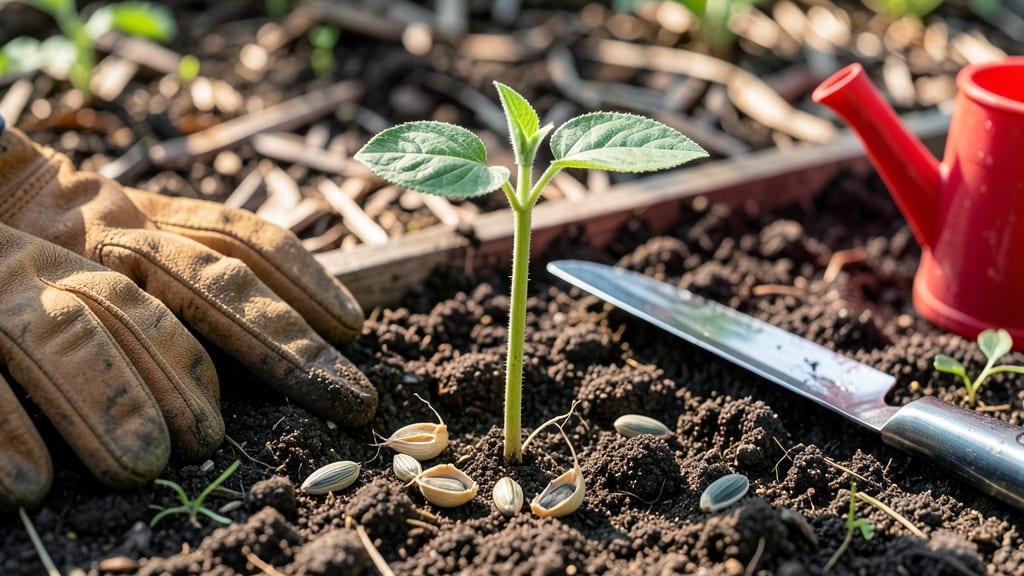
Sunflower seeds take 3 to 14 days to germinate, depending on soil temperature and moisture—so if you’ve ever stared at a seed tray waiting for those first green shoots, you’re not alone.
🌻 The key to speeding up sprouting lies in warmth: seeds planted in soil above 70°F often crack open in just 3 to 5 days, while cooler 50°F soil can stretch germination to 10 to 14 days.
That’s why timing matters—especially in USDA Zone 6a, where spring temperatures fluctuate wildly.
Below, I’ll break down the exact conditions that cut germination time in half, plus 5 pro tips to coax stubborn seeds into action—even if your soil is still chilly. No more guessing, just proven strategies for faster, healthier starts.
You’ll also learn how to troubleshoot slow starters, avoid common pitfalls, and adjust your approach based on your local climate. Ready to turn those seeds into 6-foot giants in record time?
Sunflower seed germination timeline by soil temperature (days to sprout)
Sunflower seeds are one of the fastest-growing plants in your garden, but their germination speed depends heavily on soil temperature. While some seeds sprout in just 3-5 days under perfect conditions, others may take 2-3 weeks in cooler soil.
Understanding these temperature ranges helps you plan your planting schedule for the fastest results.
The optimal soil temperature for sunflower germination is between 70°F and 90°F (21°C-32°C). At these temperatures, seeds typically sprout within 4-7 days. However, cooler or warmer extremes can significantly slow down or even halt germination. Let's break down what to expect at different temperature ranges.
Soil temperature affects germination by influencing enzyme activity within the seed. Cooler temperatures slow metabolic processes, while warmer temperatures can accelerate them—but only up to a point. Too hot, and the seeds may dry out or fail to sprout. Here's how different temperatures impact your sunflower seeds:
| Soil Temperature (°F/°C) | Germination Time (Days) | Climate Examples | Best Practices |
|---|---|---|---|
| Below 50°F (10°C) | 14-21+ days | Early spring (Zone 3-5) | Use black plastic mulch or cold frames |
| 50-59°F (10-15°C) | 10-14 days | Late spring (Zone 4-6) | Plant in raised beds for warmth |
| 60-69°F (16-20°C) | 7-10 days | Early summer (Zone 5-8) | Ideal for most gardeners |
| 70-80°F (21-27°C) | 4-7 days | Summer (Zone 7-10) | Fastest germination possible |
| Above 90°F (32°C+) | 7-14+ days (risk of failure) | Extreme heat (Zone 10+) | Plant in shade cloth or late afternoon |
If you're planting in cooler climates, like Zone 3-5, aim for soil temperatures above 50°F (10°C) to avoid delays.
I've found that using a soil thermometer is invaluable—simply push it into the soil where you plan to plant, about 1 inch deep, to get accurate readings before sowing.
In warmer climates, like Zone 8-10, you might experience faster germination, but extreme heat can dry out seeds before they sprout. To combat this, I recommend planting in late afternoon or providing shade cloth until seeds establish. Even a simple lightweight row cover can make a difference.
For gardeners in USDA Zone 6-7, timing is everything. Planting in late April or early May often aligns with soil temperatures in the 60-70°F (16-21°C) range, which is perfect for germination. I've had the best success with direct sowing rather than starting indoors, as sunflowers dislike transplanting.
One common misconception is that sunflowers can germinate in cold soil. While they're hardy plants, below 50°F (10°C) significantly slows down the process. If you're eager to grow sunflowers earlier in the season, consider using black plastic mulch or cold frames to warm the soil faster.
This method has helped me extend my growing season by 2-3 weeks in cooler regions.
Remember, moisture levels also play a crucial role alongside temperature. Seeds need consistent moisture to germinate, but they shouldn't be waterlogged. Aim to keep the soil evenly moist but not soggy during the germination period.
A simple trick is to place a clear plastic dome over seedlings until they sprout, which helps retain moisture and warmth.
Understanding these temperature ranges helps you set realistic expectations and plan your garden accordingly. Whether you're in a cool mountain climate or a hot desert region, knowing how soil temperature affects germination means you can adjust your planting schedule for the fastest, healthiest sunflowers.
With the right conditions, you'll see those first cotyledons emerging in as little as 4 days!
5 Pro tips to speed up sunflower seed germination (even in cool soil)
If your sunflower seeds are taking forever to sprout, don't blame the seeds—blame the soil temperature! Even hardy sunflowers need a little help when conditions are less than ideal. I’ve learned that with the right tricks, you can cut germination time in half, especially in cooler climates.
The key? Mimicking the warmth seeds crave while keeping them safe from rot.
First, let’s tackle the biggest hurdle: cold soil. Sunflower seeds germinate fastest when soil temperatures hit 70-85°F (21-29°C), but they can still sprout in 50°F (10°C)—just much slower.
That’s where these pro tips come in to give your seeds the jumpstart they deserve. Try these methods, and you’ll see those tiny green shoots breaking through soil in record time.
- ⏱️ 3-7 days in 70-85°F (21-29°C) soil
- ⏳ 7-14 days in 60-69°F (16-21°C) soil
- ❄️ 14-21+ days in 50-59°F (10-15°C) soil
- 🔥 Up to 50% faster with pre-soaking or heat mats
- 💧 Overwatering delays germination by 3-5 days
My first tip is to pre-soak your seeds for 6-12 hours before planting. This hydrates the seed coat and kickstarts the germination process. Simply place seeds in a bowl of lukewarm water (not hot!) and let them soak.
Drain and plant immediately—never let them dry out after soaking. This trick can shave off 2-3 days from germination time, especially in cooler soil.
Next, plant at the right depth. Sunflower seeds need 1 inch of soil coverage—any deeper, and they’ll struggle to break through. Use a seed starter kit or your finger to create a small hole, drop in 1-2 seeds, and cover lightly.
Press the soil gently to ensure good contact with the seed. If you’re planting in cool soil, consider using a heat mat ($20-$30) under your seed tray to maintain optimal temps.
Don’t overlook the power of warmth. If your garden soil is still chilly, try planting in black plastic mulch or a mini greenhouse. These methods trap heat from the sun and raise soil temps by 10-15°F (5-8°C).
For container gardeners, place pots in a sunny window or under a grow light until sprouts appear. Even a DIY heat source, like a heated cable, can make a huge difference in cool climates.
Finally, amend your soil with compost or a balanced fertilizer (like 10-10-10) before planting. Sunflowers thrive in well-draining, nutrient-rich soil, and a little extra organic matter can boost germination speed.
Mix in 1-2 inches of compost into the top 6 inches of soil, and your seeds will have everything they need to sprout faster and stronger. Avoid fresh manure—it can burn seeds and delay germination.
With these 5 pro tips, you’ll turn your sunflower seeds from sluggish to speedy in no time. Remember, patience is key, but so is preparation. Test your soil temperature with a soil thermometer before planting, and adjust your methods based on what you find.
Soon, you’ll be watching those cheerful yellow blooms reach for the sky—all thanks to a little extra care at the start. 🌻