
Light Requirements
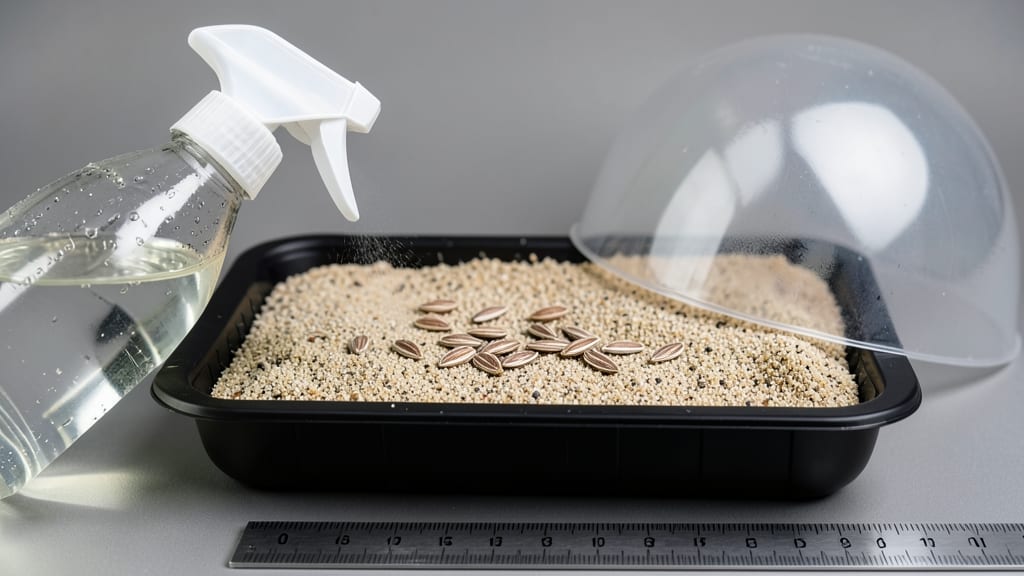
Sunflower seeds don’t actually need light to germinate—what they need is the right depth in moist, dark soil to kickstart growth.
Struggling with sunflower seeds that refuse to sprout? The answer might lie in how much—or how little—light they actually need beneath the soil. Contrary to popular belief, these giants don’t always thrive with direct sunlight during germination, and planting too shallow (or too deep) can stall growth entirely.
Here’s the game-changer: most seeds, including sunflowers, germinate best in darkness, where they focus energy on root development before reaching for the light. Too much light too soon can lead to weak, leggy seedlings that struggle to stand.
Below, I’ll break down the fastest way to plant them—soil depth secrets, moisture tips, and when to finally expose those sprouts to sunlight for strong, sturdy growth.

How light affects sunflower seed germination: the science behind soil depth
Sunflower seeds are often called light-loving plants, but their germination needs are far more nuanced than you might think. While mature sunflowers thrive under full sun, their seeds actually perform best in complete darkness during the early stages of growth.
This counterintuitive truth stems from how seeds allocate energy—prioritizing root development before reaching for light. Understanding this science can transform your germination success rate from hit-or-miss to consistently robust.
The key lies in seed physiology. Sunflower seeds contain stored energy in their cotyledons (seed leaves), which fuels both root growth and the eventual shoot. When planted in darkness, seeds focus that energy downward, establishing a strong root system before emerging.
Light exposure too early can trigger etiolation, where seedlings stretch weakly toward any available light, creating leggy, fragile stems that struggle to support themselves. This is why many gardeners see slow or failed germination despite providing sunlight.
| Germination Stage | Light Requirement | Optimal Soil Conditions | Temperature Range |
|---|---|---|---|
| Initial Germination | Complete darkness | Moist, well-draining soil (60-70% humidity) | 70-75°F (21-24°C) |
| Root Development | Darkness (1-2 weeks) | Consistent moisture (avoid waterlogging) | 65-80°F (18-27°C) |
| Shoot Emergence | Indirect light (12+ hours) | Lightly moist soil | 60-70°F (15-21°C) |
| Seedling Growth | Full sun (6+ hours) | Well-draining soil | 55-85°F (13-29°C) |
To replicate these ideal conditions, start by planting sunflower seeds in a well-draining soil mix at a depth of 1 inch (about 2.5 cm). This depth ensures the seed remains in darkness while providing enough moisture to trigger germination.
A common mistake is planting too shallow—exposing seeds to light too soon—which can lead to premature sprouting and weak root systems. Use a moisture meter or your finger to check soil moisture; it should feel like a wrung-out sponge but not soggy.
Temperature plays an equally critical role in this process. Sunflower seeds germinate best when soil temperatures hover between 70-75°F (21-24°C). If your climate runs cooler, consider using a seedling heat mat to maintain consistent warmth. Cold soil slows metabolic activity, delaying germination by days or even weeks.
In contrast, soil that’s too hot (above 85°F or 29°C) can cause seeds to dry out or rot before sprouting. A simple soil thermometer can help you monitor conditions accurately.
Many gardeners assume that light exposure speeds up germination, but this isn’t the case for sunflowers. In fact, exposing seeds to light before they’ve established roots can trigger photomorphogenesis, a process that causes seeds to sprout too early.
This leads to etiolated seedlings—long, weak stems that struggle to support the plant’s eventual height. To avoid this, keep seeds in darkness until you see the first signs of cotyledon emergence, typically within 7-14 days under ideal conditions.
Once seedlings emerge, you can gradually introduce indirect light for a few hours daily to harden them off. This transition should happen over 3-5 days to prevent shock. After the seedlings have developed 2-3 true leaves and a sturdy stem, they’re ready for full sun exposure.
At this stage, their root systems are strong enough to support rapid growth toward the light. This gradual approach mimics natural conditions, where sunflowers in the wild emerge from soil that’s gradually exposed to increasing sunlight.
Another common myth is that sunflower seeds need direct sunlight to germinate. While mature plants require full sun, seeds actually perform better in low-light or dark conditions during the early stages.
This is because darkness helps regulate the production of ethylene gas, a natural plant hormone that promotes root growth. When seeds are exposed to light too soon, ethylene production decreases, leading to weaker root development.
Think of it like a baby learning to walk—it’s better to build strength indoors before venturing outside.
If you’re germinating seeds indoors, use a seedling tray with a clear lid to create a mini greenhouse effect. This traps moisture and maintains darkness until you’re ready to expose the seedlings.
Once the first leaves appear, remove the lid and place the tray under grow lights or near a south-facing window for 12-14 hours of light daily. Avoid placing seedlings in direct sunlight immediately, as this can cause leaf scorch or overheating. Transition them slowly to prevent stress.
For outdoor planting, choose a location with well-draining soil and minimal direct sunlight until seedlings are established. If you’re sowing seeds directly in the garden, consider using a row cover or shade cloth for the first 1-2 weeks to mimic the darkness seeds need.
Once seedlings are 2 inches tall and have developed a few leaves, you can remove the cover and allow them to bask in full sun. This method reduces the risk of damping off, a fungal disease that thrives in overly moist, poorly ventilated conditions.
Remember, the goal during
Perfect planting depth for sunflowers: a step-by-step guide to maximizing germination rates
Sunflower seeds thrive when planted at the correct depth, but many gardeners overlook how this affects germination. While these seeds need full sun once sprouted, they actually germinate best in darkness—meaning proper soil coverage is key.
Planting too shallow exposes seeds to drying out, while burying them too deep can suffocate early roots and delay sprouting.
For optimal results, aim for a planting depth of 1 inch—about the thickness of a US nickel. This depth balances moisture retention, oxygen flow, and protection from extreme temperatures.
Loose, well-draining soil allows roots to push through more easily, while compacted soil may require slightly shallower planting (½ inch for clay-heavy soils).
Here’s how to calculate the perfect depth for your climate and soil type:
Troubleshooting is simple once you know the signs. If seeds rot or develop black mold, they’re planted too deep or soil is waterlogged. If they dry out before sprouting, they’re too shallow. For slow germination (10+ days), check soil temperature—ideal range is 70–90°F. Cool soils (<60°F) delay sprouting.
Pro tip: Cover seeds with mulch (straw or compost) to maintain moisture and regulate temperature. Once seedlings emerge with cotyledons (first true leaves), thin to 12–18 inches apart to prevent competition. With the right depth, your sunflowers will sprout in 7–14 days and reach for the sky! 🌻