
Planting
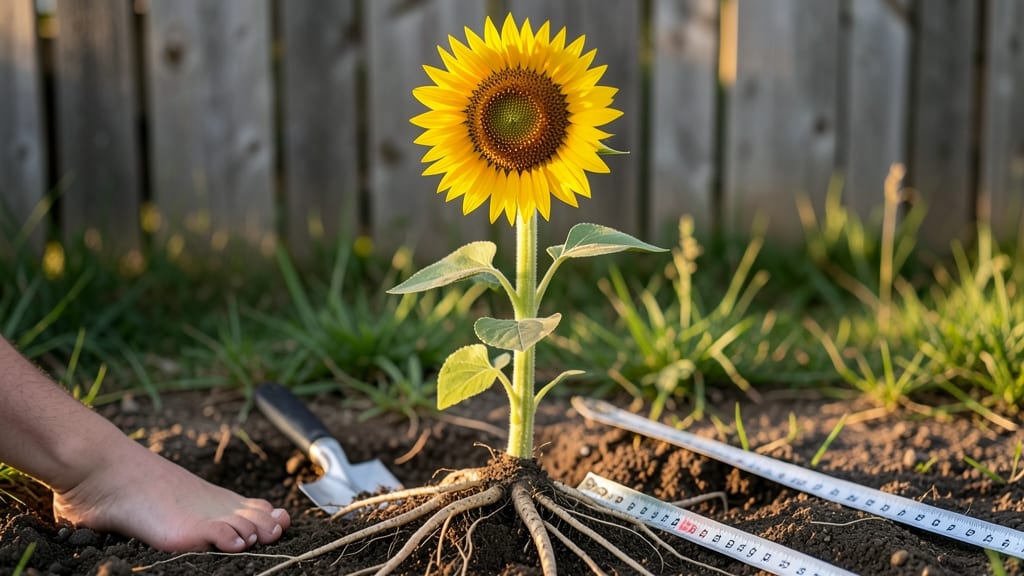
Sunflower roots grow surprisingly deep—often 3 to 6 feet—to anchor these towering plants and access nutrients most gardeners overlook.
Picture this: a 10-foot sunflower standing firm in a summer breeze, its roots stretching deeper than your shovel can reach. That’s not just luck—it’s biology.
Understanding how deep sunflower roots go isn’t just trivia; it’s the key to planting them right, spacing them properly, and keeping them from toppling over before harvest.
Soil type, sunflower variety, and even your watering habits all play a role in how deep those roots will grow. Loose, well-drained soil encourages deeper roots, while compacted or rocky ground can stunt them.
Meanwhile, giant varieties like Mammoths dig deeper than dwarf Teddy Bears, which means your planting depth and spacing strategies need to match the type you’re growing.
In this guide, you’ll learn exactly how deep sunflower roots go, why it matters for stability and drought resistance, and practical tips to give your sunflowers the strong foundation they need—so you can enjoy those golden blooms without the worry.
Sunflower root depth explained: how deep do they grow?
Sunflowers may reach for the sky with their towering stems, but their true foundation lies beneath the soil. The sunflower root system is a marvel of nature, combining a primary taproot with extensive lateral roots to anchor these giants and access nutrients deep underground.
Understanding how deep sunflower roots grow is essential for gardeners aiming to cultivate healthy, stable plants that thrive from seedling to maturity.
The average sunflower root depth ranges between 3 to 6 feet, though this can vary significantly depending on the variety, soil conditions, and growing environment. For instance, giant sunflower varieties like Mammoth or Russian Giant often develop deeper roots—sometimes exceeding 6 feet—to support their massive above-ground growth.
In contrast, dwarf varieties like Teddy Bear may only reach depths of 1 to 3 feet, reflecting their smaller stature.
| Sunflower Type | Root Depth Range | Key Features | Best For |
|---|---|---|---|
| Giant Varieties (Mammoth, Russian Giant) | 4–8 feet | Deep taproot, extensive lateral spread | Wind resistance, nutrient-rich soils |
| Standard Varieties (Autumn Beauty, ProCut) | 3–6 feet | Balanced taproot and lateral roots | Moderate climates, general gardening |
| Dwarf Varieties (Teddy Bear, Sunspot) | 1–3 feet | Shallow but dense root network | Containers, small gardens, urban areas |
| Hybrid Varieties (e.g., Super Bear) | 3–7 feet | Enhanced root strength, disease resistance | Commercial growing, challenging soils |
The taproot of a sunflower is its most dominant feature, growing vertically downward to access deep soil layers where moisture and nutrients are more abundant.
This root can extend 3 to 5 times the height of the plant, meaning a 10-foot-tall sunflower might have a taproot plunging 30 feet deep in ideal conditions. However, in reality, most garden soils limit this depth to 4–6 feet due to compaction or rock layers.
Complementing the taproot is a network of lateral roots that spread horizontally, typically within the top 12–18 inches of soil. These roots play a crucial role in nutrient absorption and stability, especially in windy conditions.
The lateral roots can extend 2–3 feet outward from the base of the plant, creating a wide anchor that helps prevent toppling—a common issue with tall sunflowers.
Soil type dramatically influences sunflower root depth. In loose, well-draining soils, roots can penetrate more easily, reaching their full potential depth. Conversely, clay or compacted soils restrict root growth, often limiting depth to 2–3 feet and increasing the risk of nutrient deficiencies or water stress.
Amending soil with compost or organic matter before planting can significantly improve root development.
When selecting a sunflower variety, consider both the above-ground height and the root depth it requires. For example, giant varieties need deep, fertile soil to support their massive stature, while dwarf varieties thrive in containers or shallow garden beds.
Always check the seed packet or plant tag for specific recommendations on soil depth and type.
Proper planting depth also impacts root growth. Sunflower seeds should be sown 1 inch deep in well-prepared soil to encourage straight downward growth of the taproot.
Over-deep planting can lead to stunted roots or even seedling death, while shallow planting may result in weak, shallow root systems that struggle to support the plant’s weight.
Watering practices directly affect root depth. Deep, infrequent watering encourages roots to grow downward in search of moisture, while shallow, frequent watering promotes surface roots that are more susceptible to drought.
Aim to water sunflowers at the base of the plant in the early morning to promote deep root penetration and reduce evaporation.
Understanding the sunflower root system isn’t just about curiosity—it’s a practical tool for gardeners. Deeper roots mean better stability, improved drought tolerance, and enhanced access to nutrients.
By choosing the right variety, amending your soil, and watering wisely, you can help your sunflowers develop the strong root systems they need to reach their full potential—both above and below ground. 🌱🌿
How sunflower root depth affects plant stability and growth
Sunflower roots aren’t just deep—they’re the hidden superheroes of your garden. Those 3-to-6-foot roots anchor your towering sunflowers like a skyscraper’s foundation, preventing them from toppling in summer storms.
Without proper depth, even a 6-foot sunflower can become a windfall disaster, snapping at the base when roots fail to grip the soil securely.
But root depth does more than just hold plants upright. It’s also your sunflower’s secret weapon against drought stress and poor soil conditions. Deep roots tap into moisture and nutrients far below the surface, where shallow-rooted plants would wither.
This is why sunflowers thrive in dry climates—their roots reach water long after other plants give up.
Here’s the catch: not all sunflowers dig equally deep. Giant varieties like Mammoths need that extra depth to support their height, while dwarf types like Teddy Bears can manage with shallower roots.
If you’re growing sunflowers in compacted or rocky soil, their roots may struggle to penetrate, leading to stunted growth or instability.
⚠️ Shallow Roots = Toppling Risks
Sunflowers with shallow roots (under 2 feet) are prone to:
- Wind damage – Can snap at the base in storms
- Poor drought tolerance – Surface roots dry out faster
- Nutrient starvation – Limited access to deep soil layers
💡 Fix it: Loosen soil before planting and use compost to encourage deeper root growth.
To give your sunflowers the strongest foundation, start by amending your soil with organic matter like compost or aged manure. This creates loose, aerated soil that roots can easily penetrate. Avoid heavy clay or overly sandy soils, which can either suffocate or fail to retain roots properly.
Another pro tip: Deep watering encourages roots to grow downward. Instead of frequent shallow watering, give your sunflowers a deep soak once or twice a week to motivate roots to seek moisture below the surface. This mimics natural rainfall patterns and strengthens their anchor.
If you’re planting in windy areas, consider staking taller varieties or planting them in clusters. The roots of neighboring plants can intertwine slightly, providing extra support. For dwarf varieties, even a light mulch ring around the base can stabilize them without staking.
Remember, your sunflower’s root depth directly impacts its stability, drought resistance, and nutrient access. By giving them the right soil conditions and watering habits, you’ll ensure your sunflowers stand tall—even in the toughest growing conditions.
The deeper the roots, the stronger the stems, and the more impressive your harvest will be. 🌻