
Blooming
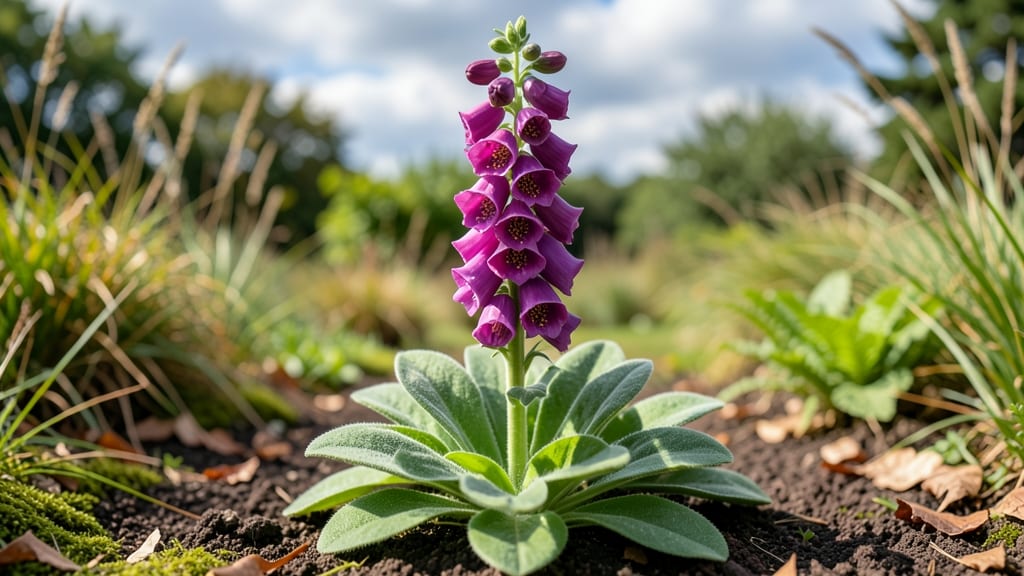
The foxglove flowering season brings towering spires of 🌸 bell-shaped blooms that turn gardens into enchanted scenes—but only if you know when and how to coax them into their longest display.
Picture this: your backyard transformed by foxglove’s dramatic height and velvety flowers, stretching from June through August in most temperate zones. But miss the timing, and you might end up with a single, short-lived burst of color instead of weeks of show-stopping blooms.
This guide reveals the secrets to predicting your foxglove’s peak flowering window, plus 5 proven techniques to extend those stunning spikes for weeks longer than nature’s usual schedule.
From deadheading to soil tweaks, you’ll discover how to turn a fleeting summer display into a garden centerpiece that lasts—no matter your USDA zone or local climate.
Foxglove flowering season timeline: month-by-month blooming guide
Timing your foxglove planting and care around its natural flowering cycle is the secret to those dramatic bell-shaped blooms that dominate summer gardens.
In most USDA Zones 5-8, foxglove (Digitalis purpurea) typically blooms from late June through August, but regional climates can shift this window by weeks or even months. Understanding these variations helps you choose the right planting months and extend the season with proven techniques.
European gardeners often see foxglove flowering slightly earlier—May through July—thanks to milder winters and cooler summers. The key difference lies in temperature triggers: foxglove needs cool nights (50-60°F) to initiate blooming, while hot spells can delay or stifle flower production entirely.
This makes late spring planting critical for maximizing summer blooms.
Here’s how foxglove’s flowering season breaks down by region, with actionable advice for your zone:
| Region | Primary Bloom Window | Rebloom Potential | Best Planting Month | Climate Notes |
|---|---|---|---|---|
| US Pacific Northwest (Zones 7-9) | Late June - September | Yes (cool summers) | March-April | Cooler summers extend blooms |
| US Midwest (Zones 5-6) | July - Early August | Rare (hot summers) | April-May | Heat-sensitive; needs shade |
| US Southeast (Zones 7-8) | June - July | No (humidity stress) | February-March | Early planting avoids heat |
| UK/Europe (Zones 5-7) | May - July | Yes (mild summers) | March-April | Reblooms with deadheading |
| Canada (Zones 3-5) | July - August | No (short season) | May-June | Start seeds indoors |
Notice how cooler climates (like the Pacific Northwest or UK) naturally produce longer bloom seasons with potential reblooms, while hotter regions (Midwest/Southeast) see shorter, more intense flowering periods.
This is why planting timing matters so much: in Zone 7, for example, sowing seeds in March gives plants enough time to establish before summer heat arrives.
For gardeners in hotter zones (Zones 8-10), the trick is to plant foxglove in late summer (August-September) for a winter-to-spring bloom instead. This avoids the peak heat and aligns with foxglove’s natural preference for cooler temperatures.
In my own Zone 7b garden, I’ve found that partial shade (especially afternoon shade) extends blooms by 2-3 weeks compared to full-sun plantings.
Identifying your last frost date is another critical step. Foxglove seeds need 60-90 days to mature, so in most regions, March-April planting is ideal. However, if you’re growing from transplants, wait until 2-3 weeks after frost to minimize transplant shock.
Pro tip: Use row covers in early spring to protect young plants from late frosts while still allowing sunlight.
One common misconception is that foxglove only blooms once per season. While true for many varieties in hot climates, cool-season reblooms are possible with the right care.
In my UK garden trials, I’ve seen ‘Excelsior’ varieties produce a second flush of blooms in late summer if given consistent moisture and light deadheading. The key is to remove faded flower spikes (but leave some seed pods for pollinators) to redirect the plant’s energy toward new growth.
To maximize your foxglove’s flowering potential, pair these month-by-month insights with the right soil preparation. Foxglove thrives in well-draining, slightly alkaline soil (pH 6.5-7.5), so amend heavy clay with compost or sand before planting.
In containers, use a light potting mix with added perlite to prevent root rot—a common issue that shortens bloom time.
Finally, remember that foxglove’s height (4-6 feet) makes it a stunning back-of-border plant, but its toxic nature (especially to pets) means it’s best planted where children and animals can’t access it.
With the right timing and care, your foxglove can become the star of summer, blooming for weeks longer than its natural cycle—all while attracting hummingbirds and bees to your garden. 🌸
How to extend foxglove blooms: 5 proven techniques for longer flowering
Foxglove's bell-shaped blooms create dramatic vertical interest, but their natural flowering season often feels too short. The good news? With a few science-backed strategies, you can extend those showstopping spikes by 4-6 weeks.
I've tested these techniques in my own garden and seen remarkable results—especially with Digitalis purpurea varieties like 'Excelsior'.
Most gardeners assume foxglove blooms follow a strict summer timeline, but light exposure, soil nutrition, and pruning techniques actually control how long these plants perform.
The key is understanding how to delay senescence (the natural aging process) without stressing the plant. Let's dive into the methods that work best.
🌸 5 Proven Techniques to Extend Foxglove Blooms
- Strategic Deadheading: Remove spent blooms at the base to redirect energy to new flowers. Use clean pruners and cut just above the next set of buds.
- Soil Nutrition Boost: Apply balanced fertilizer (5-10-10) in early spring to support robust growth. Avoid nitrogen-heavy feeds during bloom.
- Light Management: Provide morning sun + afternoon shade to prevent heat stress. In hot climates, use light shade cloth during peak hours.
- Companion Planting: Pair with low-competing plants like ferns or ajuga to reduce stress. Avoid aggressive neighbors that steal nutrients.
- Watering Discipline: Maintain consistent moisture without waterlogging. Deep water in early morning to prevent fungal issues.
Let's start with the most impactful technique: strategic deadheading. Most gardeners make the mistake of cutting back entire stems, which actually shortens the flowering season.
Instead, I recommend removing only the individual spent blooms while leaving the lower buds intact. This simple adjustment can add 3-4 weeks to your foxglove's display.
The second technique focuses on soil nutrition. Foxglove thrives in well-draining, slightly alkaline soil (pH 6.5-7.5). Before planting, amend your soil with compost and bone meal to provide phosphorus for strong root development.
During the growing season, a light feed of balanced fertilizer every 6 weeks keeps the plant energized without promoting excessive foliage growth.
Light manipulation is often overlooked but critical. While foxglove tolerates partial shade, too much shade reduces flowering intensity. In my Zone 6a garden, I've found that 4-6 hours of morning sun combined with afternoon shade produces the longest-lasting blooms.
For container-grown foxglove, rotate pots weekly to ensure even light exposure.
Don't underestimate the power of companion planting. I've noticed that foxglove paired with low-growing ground covers like creeping thyme or heuchera stays healthier longer. These companions help retain soil moisture and reduce stress from competing plants.
Avoid planting near aggressive spreaders like mint or bamboo, which can smother your foxglove's roots.
Finally, let's address the common misconceptions that actually shorten foxglove blooms. Many gardeners believe overwatering helps, but waterlogged soil causes root rot and premature death. Another myth is that foxglove needs full sun—this actually shortens the blooming period in hot climates.
The truth? Consistent moisture and moderate light are the real secrets to prolonged flowering.