
Blooming
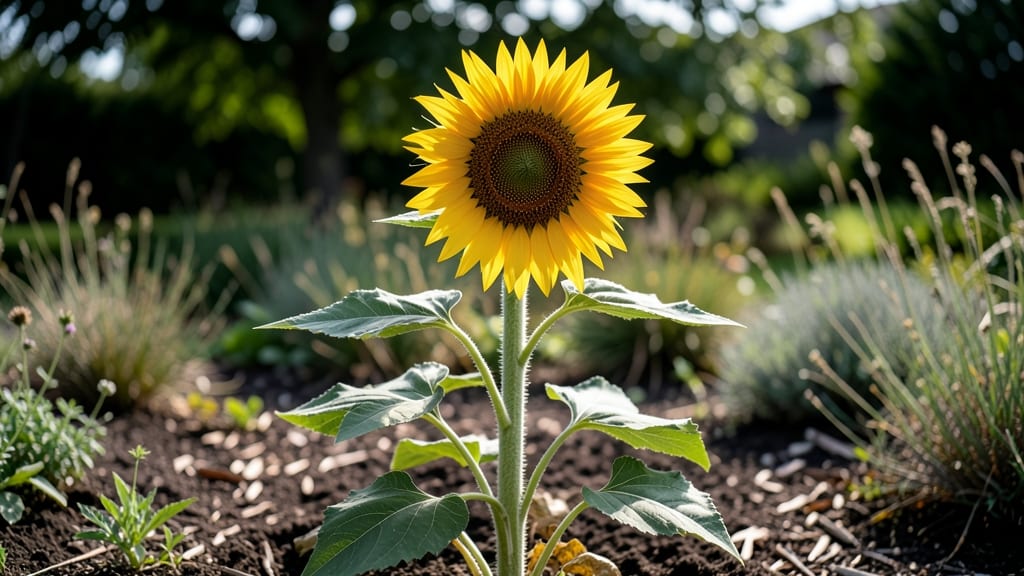
The perfect sunflower season for towering stalks starts with timing your planting window to avoid frost and maximize growth—whether you’re in a cool Zone 6a or a warmer climate.
Picture this: a 🌻 sunflower reaching 12 feet tall by midsummer, its seeds ready for harvest, all because you planted it just after the last frost. But get the timing wrong, and you’ll end up with stunted plants or ones that bolt too soon.
The key? Knowing when to sow seeds for your region—and how to care for them once they sprout.
Sunflowers thrive in spring planting, but the exact months depend on where you live. In cooler zones, aim for April or May after the last frost, while warmer areas can start as early as March.
The goal? Give them 90+ days of warm weather to grow before the first frost hits in fall.
Below, I’ll break down the best planting months by zone, the tallest varieties to choose, and the simple care routines that turn your garden into a sunflower jungle—no green thumb required.

Sunflower planting season by US hardiness zone: exact timing for giant stalks
Timing your sunflower planting is the secret to growing those towering stalks you’ve always dreamed of. In USDA Zones 3-10, the right window ensures your sunflowers reach their maximum height potential—some varieties even surpassing 12 feet!
The key lies in understanding your frost-free dates and regional climate quirks. Northern gardeners have a shorter window than Southern growers, but both can achieve stunning results with precise planning.
For Zones 3-5, where winters are harsh, aim for planting after your last frost date, typically mid-April to early May.
In Zones 6-8, you’ve got more flexibility—plant from late March to early June—while Zones 9-10 can start as early as February and extend into July for summer blooms. The goal? Give your sunflowers 90-120 frost-free days to mature fully.
Here’s your zone-by-zone planting schedule, including exact months and regional adjustments to avoid early bolting or frost damage:
In Zones 3-5, where frost lingers, I recommend starting seeds indoors 2-3 weeks before your last frost date. Use grow lights to prevent leggy seedlings, then transplant outdoors once nighttime temperatures stay above 50°F.
For Zones 6-8, direct sowing is easier—just wait until the soil reaches 60°F for optimal germination.
Southern gardeners in Zones 9-10 have the luxury of year-round planting, but I always suggest avoiding peak summer heat (June-August) for giant varieties like 'Mammoth' or 'Russian Giant'.
Instead, opt for early spring or late summer plantings to escape the worst of the heat. Pro tip: Mulch heavily to retain moisture and cool roots during hot spells.
Don’t overlook summer planting! Even in cooler zones, you can squeeze in a second crop by choosing fast-maturing varieties like 'Autumn Beauty' or 'Teddy Bear'. These bloom in 60-70 days, giving you stunning late-season color. Just plant by mid-July to ensure flowers open before frost.
For towering stalks, focus on soil preparation before planting. Amend your soil with compost or aged manure to provide nutrients for deep root growth.
Sunflowers are heavy feeders, so a balanced fertilizer (like 5-10-10) at planting and again when flowers form will push them toward their height potential. Avoid over-fertilizing with nitrogen—it encourages foliage over flowers!
After planting, maintain consistent moisture—especially during bolting (the rapid stem elongation phase). Deep water 1-2 inches per week, focusing on the root zone to prevent shallow roots. Stake tall varieties like 'Russian Giant' early to avoid wind damage, as their 12+ foot stalks can topple in storms.
Watch for flower head development—this is your cue to adjust care. Once buds form, reduce watering slightly to prevent splitting of the seed heads. Harvest seeds when the back of the flower turns yellow-brown and they rattle when shaken.
Save seeds for next year or roast them for a crunchy snack!
With this zone-specific timing, your sunflowers will thrive and reach their full height potential, turning heads (and attracting pollinators) all season long. Happy planting! 🌻
Best sunflower varieties for towering growth: height comparison and seasonal suitability
If you dream of sunflowers reaching for the sky, variety selection is your first step. Some varieties top out at 3 feet—perfect for containers—while others soar to 14 feet or taller, creating dramatic focal points.
The right choice depends on your space, climate, and seasonal goals. For example, Mammoth varieties thrive in long summer days, while dwarf types bloom reliably even in short seasons.
Seasonal timing also matters: early varieties like 'Autumn Beauty' flower in 60 days, ideal for northern climates with shorter summers, while late-season giants need 120+ days of warmth.
Let’s compare the best performers by height, sun needs, and planting window to help you pick the perfect towering star for your garden.
For container gardening, prioritize dwarf varieties like 'Teddy Bear', which mature in just 55 days and thrive in 5-gallon pots. Their compact size makes them ideal for patios or balconies, even in urban settings with limited space.
These varieties also flower earlier, giving you vibrant blooms when other sunflowers are still sprouting.
If you’re chasing cut flowers, 'Autumn Beauty' is a top pick. Its multi-colored petals and 70-day bloom time ensure a long vase life, while its 5–8 ft height makes it easy to harvest.
Plant it in late spring for summer blooms or late summer for a fall display, extending your floral arrangements well into autumn.
For maximum height, 'Russian Giant' and 'American Giant' are unbeatable. These varieties need 100+ days of warm weather, so plant them after your last frost date in Zone 5 or warmer.
Stake them early—their 12–16 ft stalks can topple in wind or rain. These giants also produce heavy seed heads, perfect for bird feeders or roasting.
Pro tip: In shorter seasons (Zones 3–4), opt for early-blooming varieties like 'Autumn Beauty' or 'Moulin Rouge'. They’ll flower before frost, while late-season giants risk stunted growth. Always check your frost-free days and match the variety’s days-to-bloom for guaranteed success.