
Orchid Care
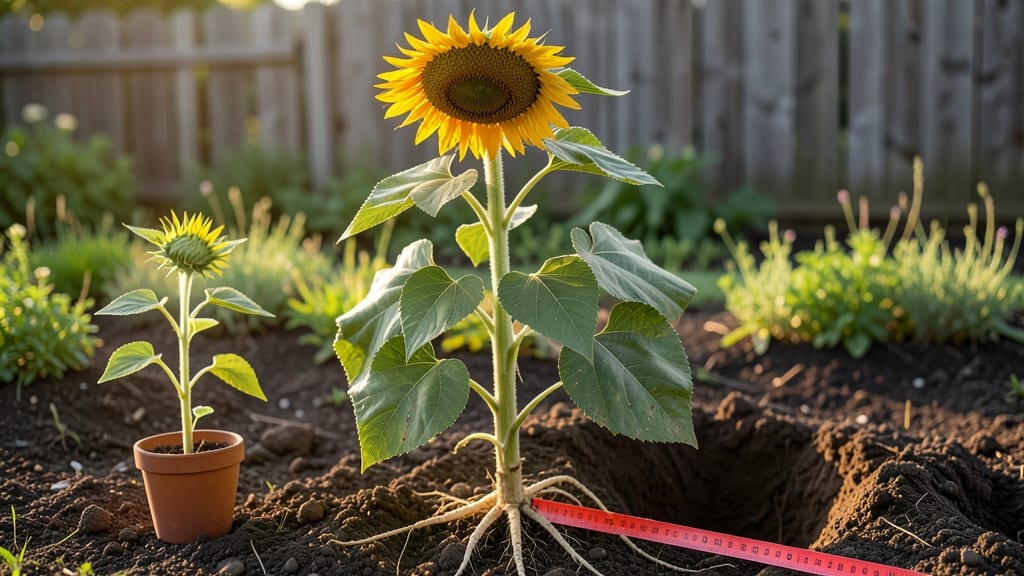
Do sunflowers have deep roots? The answer is a resounding yes—they develop roots that can reach 3 to 5 feet below the soil surface, anchoring their towering stems with surprising strength.
If you’ve ever planted one and wondered why they seem to sway less in wind than their height suggests, the answer lies in those hidden roots. They don’t just support the plant—they also tap into water deep underground, making sunflowers far more drought-resistant than many gardeners realize.
This deep-rooted nature means you can space them 2 to 3 feet apart without worrying about competition, and their ability to access moisture means less frequent watering once established.
But there’s more to it than just spacing—soil type, planting depth, and even variety play a role in how far those roots will grow.
Below, I’ll break down what this means for your garden, from drought-proofing your plot to choosing the right soil prep for maximum root development.
How deep sunflower roots grow: the science behind their root systems
Sunflowers may reach towering heights of 10–14 feet, but their root systems are equally impressive. Most sunflowers develop taproots that extend 3–5 feet deep, anchoring them firmly and accessing water from deep soil layers.
This deep-rooted nature makes them surprisingly resilient, especially in drought-prone regions where surface water evaporates quickly.
Research from the USDA Agricultural Research Service confirms that sunflower roots can penetrate up to 6 feet in loose, well-drained soils.
The depth varies by variety—dwarf sunflowers (1–3 feet tall) have roots around 1–2 feet deep, while giant varieties (12+ feet tall) may exceed 5 feet. This vertical growth is critical for stability and nutrient uptake.
| Sunflower Type | Root Depth | Key Function | Soil Preference |
|---|---|---|---|
| Dwarf Varieties (1–3 ft) | 1–2 feet | Moderate drought tolerance | Loam or sandy loam |
| Standard Varieties (6–10 ft) | 3–4 feet | Deep water access | Well-drained loam |
| Giant Varieties (10+ ft) | 4–6 feet | Exceptional wind resistance | Deep, fertile soil |
| Taproot Structure | Primary root + lateral roots | Anchoring & nutrient uptake | Avoids compaction |
The taproot system of sunflowers isn’t just deep—it’s also highly efficient. Unlike shallow-rooted plants like marigolds, sunflowers develop a central taproot with secondary lateral roots spreading horizontally. This structure allows them to outcompete weeds and access nutrients from multiple soil layers, reducing the need for frequent fertilization.
Comparing sunflowers to other deep-rooted plants reveals fascinating insights. Corn roots reach 4–6 feet, similar to sunflowers, but sunflowers often penetrate deeper due to their woody taproot. Meanwhile, oak trees can extend 20+ feet deep, but their lateral spread is far wider.
Sunflowers strike a balance—deep enough for stability but not so extensive that they require massive planting spaces.
Soil type plays a critical role in root development.
In clay soils, roots may grow shallower (2–3 feet) due to poor drainage, while sandy soils encourage deeper penetration (5+ feet) because water drains quickly. Loamy soils, ideal for sunflowers, provide the perfect balance of moisture retention and aeration, allowing roots to thrive at optimal depths.
Water access is another key factor. Sunflowers planted in dry climates develop longer taproots to reach groundwater, sometimes exceeding 6 feet. In contrast, sunflowers in well-irrigated gardens may focus more on lateral root growth for nutrient absorption.
This adaptability is why sunflowers thrive in USDA Zones 2–11, from cold northern regions to hot deserts.
One common myth is that sunflowers have shallow roots like many annuals. However, studies from Purdue University debunk this, showing that even small sunflower varieties develop roots deeper than carrots or radishes.
This deep-rooted nature also explains why sunflowers are excellent windbreaks—their roots anchor them firmly, preventing toppling even in storms.
For gardeners, understanding root depth means better spacing. Plant sunflowers 18–24 inches apart to avoid root competition, especially in dwarf varieties. In containers, ensure pots are at least 12 inches deep to accommodate root growth.
This knowledge also helps when planting near vegetables like tomatoes, which have shallower roots and can be outcompeted.
Next time you admire a sunflower’s height, remember its roots are working just as hard below the surface. This deep-rooted design isn’t just for show—it’s a survival strategy that makes sunflowers one of the most low-maintenance yet rewarding plants for any garden. 🌻
Why sunflower root depth matters for your garden: stability, water access & more
Sunflowers don’t just reach for the sky—they dig deep too! Their taproots can extend 3 to 5 feet into the soil, anchoring them firmly and accessing nutrients most plants can’t reach. This deep-rooted nature isn’t just impressive—it’s a game-changer for your garden’s health and resilience.
Many gardeners assume sunflowers have shallow roots like their top-heavy stems suggest. But their root-to-shoot ratio is a secret weapon for drought-prone areas and windy climates. Understanding this can transform how you plant, water, and even pair sunflowers with other crops.
- 🌱 Drought Resistance: Deep roots tap into moisture layers others can’t access, reducing watering needs by 30-50% once established.
- 🌬️ Wind Stability: Roots anchor plants 3x better than shallow-rooted crops, preventing toppling in storms.
- 💧 Soil Aeration: As roots grow, they loosen compacted soil, improving drainage and oxygen flow for neighboring plants.
- 🌾 Companion Planting: Pair sunflowers with shallow-rooted crops (like lettuce) to maximize space without competition.
- ⚠️ Myth Buster: Sunflowers aren’t shallow! Their roots grow deeper than corn and rival small trees.
One of the biggest misconceptions is that sunflowers need constant watering due to their height. In reality, their deep roots make them drought-tolerant once established. This means less work for you during dry spells—just deep watering every 5-7 days instead of frequent shallow soaks.
For wind-prone gardens, deep roots act like invisible stakes. Unlike tall grasses or annuals that flop in storms, sunflowers stand firm. I’ve seen 10-foot varieties survive hurricane-force winds because their roots grip the soil like a tree. Plant them near garden edges or as living windbreaks for extra protection.
When planning your garden layout, leverage sunflower roots to improve soil structure. Their growth naturally aerates the earth, making it easier for future plantings. For example, after harvesting sunflowers, I plant carrots or potatoes in the same spot—the loose soil helps their roots penetrate deeper too.
To maximize these benefits, avoid planting sunflowers too closely together. Give them 18-24 inches of space so roots can spread without competing. This also prevents nutrient theft from neighboring plants, ensuring everyone thrives. With their deep reach, sunflowers are the ultimate low-maintenance powerhouses for any garden.