
Planting
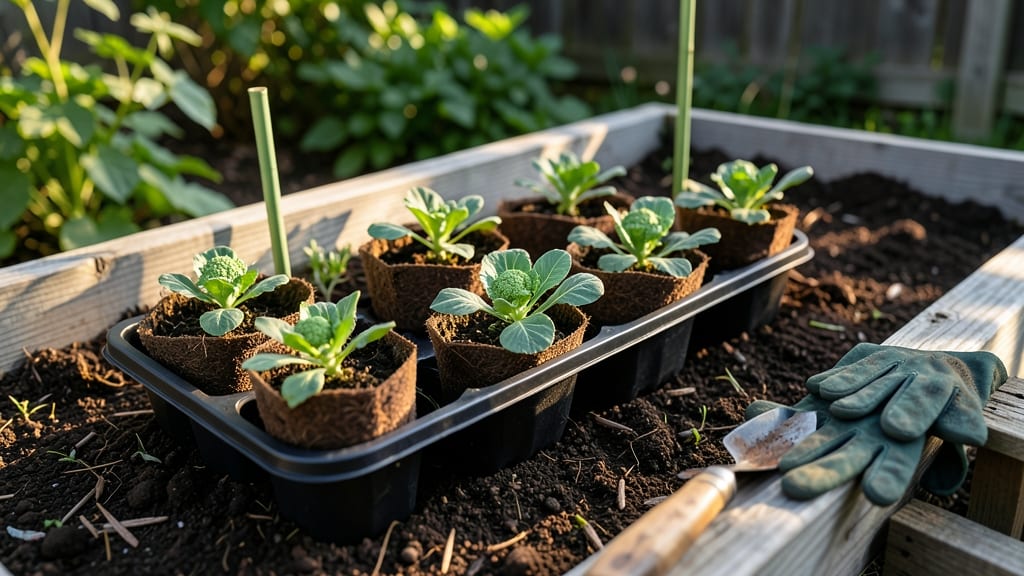
The right cauliflower planting time is the difference between a garden full of tender 🥬 heads and a season of empty rows.
Picture this: you’ve prepped the soil, bought your favorite purple or white variety, and then—whoosh—a heat wave hits before your plants even form buds. Or worse, a late frost wipes out your seedlings overnight. Timing isn’t just important; it’s the foundation of your harvest.
In cooler zones like USDA 6a, cauliflower thrives when planted 4-6 weeks before your last frost—typically March or April for spring crops. But warmer climates? That window shifts, and without adjustments, you’re gambling with your yield.
Below, I’ll walk you through the exact months for your zone, plus how to stretch your season for a second harvest in fall.
You’ll also discover the 3 biggest mistakes that sabotage even the most eager gardeners—like planting too early, ignoring soil pH, or letting moisture stress turn your heads bitter. Avoid them, and you’re on track for a garden full of buttery, ready-to-eat curds.
Best cauliflower planting months by USDA zone (with exact dates)
Timing your cauliflower planting is everything—this cool-weather crop bolts in heat and rots in frost. Whether you're in Zone 3 or Zone 11, knowing your exact planting window (and whether to start with transplants or seeds) makes the difference between a 60-day harvest and a failed crop.
Let’s break down the optimal months by zone, including adjustments for early vs. late varieties and how to calculate your frost-free dates.
First, check your last frost date (find it via the USDA Plant Hardiness Zone Map). Cauliflower thrives when soil temps hit 40°F, but seeds won’t germinate below 50°F.
For spring crops, aim to plant 4-6 weeks before your last frost—this gives seedlings time to establish before summer heat arrives. Fall plantings should go in 8-10 weeks before your first frost to ensure heads mature before cold sets in.
Here’s the zone-by-zone breakdown, including whether to direct sow or use transplants (which mature faster). Pro tip: In warmer zones (Zone 8+), focus on fall plantings—spring crops often bolt before harvest.
| USDA Zone | Spring Planting Window | Fall Planting Window | Key Considerations | Transplanting vs. Direct Sow |
|---|---|---|---|---|
| Zones 3-4 | Late April–May (after last frost) | Early July–August (for fall harvest) | Short growing season; use early varieties (e.g., 'Snowball Y Improved'). | Transplants only—direct sowing risks frost damage. |
| Zones 5-6 | Early March–April (4-6 weeks before last frost) | Mid-July–August (8-10 weeks before first frost) | Can direct sow or transplant; succession plant every 2 weeks for continuous harvests. | Transplants preferred for faster maturity; direct sow if soil >50°F. |
| Zones 7-8 | Late February–March (spring) or August–September (fall) | August–September (primary focus—spring bolts easily) | Spring plantings need shade cloth in summer; fall is safer. | Transplants for spring; direct sow fall if soil temps stable. |
| Zones 9-10 | Fall only (August–September) | August–October (extend with shade cloth) | Spring plantings will bolt—avoid unless using heat-tolerant varieties like 'Graffiti'. | Transplants + shade cloth (direct sowing risky in heat). |
| Zone 11 | Not recommended (year-round heat) | Winter months (Nov–Jan) with cooling systems | Requires artificial shade and drip irrigation; rare but possible with effort. | Transplants only; use heat-tolerant varieties. |
For transplanting, start seeds indoors 6-8 weeks before your outdoor planting date. Use biodegradable pots to avoid root disturbance. If direct sowing, plant seeds 0.5 inches deep and keep soil moist until germination (typically 7-14 days).
In Zones 5-6, I’ve had success with succession planting: sow seeds every 2 weeks from March to May for staggered harvests.
Adjust for microclimates—sheltered spots or urban areas may stay cooler longer. For example, a south-facing garden in Zone 6 might support a late-May planting, while a northern exposure could push it to June. Always monitor soil temperature with a thermometer—cauliflower roots thrive at 60-65°F.
In warmer zones (7+), prioritize fall plantings and use shade cloth (30-50%) to protect spring crops from bolting. Heat-tolerant varieties like 'Cheddar' or 'Graffiti' can handle 80°F temps better than traditional types. Pair them with drip irrigation to keep roots cool.
One common mistake? Planting too early in spring or too late in fall. In my Zone 6 garden, a late-May planting once produced bitter, loose heads because summer heat arrived early. Now, I stick to early April for spring and early August for fall—no exceptions.
Pro tip: Mark your frost dates on a calendar and count backward. For Zone 4, that’s 60-70 days before your last frost for spring; 80-90 days before your first frost for fall. Use a garden journal to track what works—your local conditions matter more than the zone alone.
With the right timing, you’ll enjoy firm, sweet cauliflower heads from spring through fall. Start with your zone’s guidelines, then fine-tune based on your garden’s quirks. Happy planting! 🥬
How to extend cauliflower season: 3 proven strategies for warmer climates
Living in USDA zones 8-11 means summer heat can turn your cauliflower into a sad, bolting mess before it forms heads. But with the right tactics, you can stretch your growing season and enjoy fresh curds year-round.
The key is combining heat-tolerant varieties, smart shade strategies, and precise planting timing to outsmart your climate.
I’ve grown cauliflower in zone 10 for years, and these three methods have kept my plants happy—even when temps hit 95°F. Whether you’re a beginner or a seasoned gardener, these strategies will help you avoid bolting and maximize your harvest window.
Let’s dive into the game-changers that work in my garden and yours.
- 🌡️ Soil Temperature Management: Wait until soil temps drop below 80°F (use a soil thermometer!) and stay there consistently. For fall plantings, aim for 60-70°F soil temps to prevent premature bolting.
- 🌿 Shade Cloth Timing: Install 30-50% shade cloth when daytime temps exceed 85°F. Remove it by late afternoon to allow photosynthesis. My plants thrive with cloth from 10 AM to 4 PM during peak summer.
- 🥬 Heat-Tolerant Varieties: Skip traditional varieties like ‘Snowball’—they bolt in heat. Instead, plant ‘Graffiti’ (purple stems, heat-resistant) or ‘Cheddar’ (yellow curds, slower bolting). These handle 90°F+ better than most.
- ⏰ Succession Planting Schedule: Stagger plantings every 2-3 weeks from August to October for fall harvests. In zone 11, I plant transplants in September and direct-sow in October to avoid summer heat entirely.
One of my biggest cauliflower failures happened when I ignored soil temperature. I planted seeds in 90°F soil thinking it was fine—big mistake! The seedlings bolted within 10 days.
Now, I always test soil temps before planting, and it’s made all the difference. A simple $15 soil thermometer is your best friend in warm climates.
For shade cloth, I use 30% coverage in early summer and bump to 50% by July. The trick is to secure it tightly—flapping cloth in wind creates stress.
I also water deeply before dawn to help plants recover from afternoon heat. This combo keeps my plants cool and hydrated without sacrificing sunlight.
Don’t overlook the power of succession planting. In my zone 10 garden, I’ve had three harvests in a single year by spacing plantings strategically. Start with transplants in August, then direct-sow in September and October.
The October crop often matures just as cooler weather arrives, giving you perfect harvest conditions.
Remember, cauliflower is a cool-season crop at heart. Even with these tricks, you’ll need to accept shorter growing seasons in the hottest months. But with heat-tolerant varieties, shade, and smart timing, you can double or triple your usual harvest—and enjoy fresh curds well into fall. 🌱