
Plants
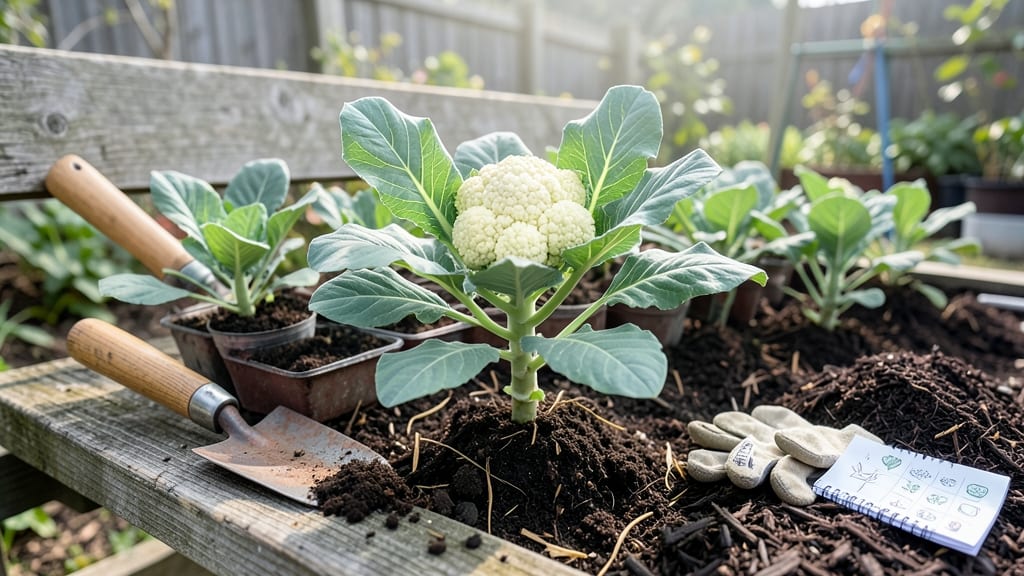
To plant cauliflower at the right time means the difference between a bountiful harvest and a bitter, bolted mess — and your USDA zone is the key.
Picture this: you’ve spent weeks prepping soil, only to watch your 🌱 cauliflower send up a flower stalk before forming a head. That’s what happens when you plant too early or too late. The solution? A zone-specific timeline that accounts for frost, heat, and your local growing season.
Cauliflower thrives in cool weather, so timing depends on whether you’re planting for a spring or fall harvest. In cooler climates (Zones 3-6), you can start as early as March, while warmer zones (7-11) should wait until September to avoid summer’s scorching heat.
Below, I’ll break down the exact planting windows for your zone, how to adjust for late frost or early heat, and whether container gardening can save your crop if the timing feels impossible.
Best planting times for cauliflower by USDA zone (with frost tolerance guide)
Cauliflower thrives in cool-season conditions, making timing everything for a successful harvest. As a cool-weather crop, it bolts (prematurely flowers) when temperatures climb above 80°F (27°C). Planting too early or late risks frost damage or heat stress, both of which ruin your crop.
My USDA zone-specific guide breaks down the ideal planting windows for spring and fall, including frost-sensitive periods to protect young plants.
In northern zones (3-5), cauliflower can handle light frost, but seedlings need soil temperatures above 40°F (4°C) to germinate. Meanwhile, southern zones (8-11) must focus on fall planting to avoid summer heat.
The key is to align your planting with 60-90 days before your first frost—this ensures heads mature before cold sets in. Let’s dive into the zone-by-zone breakdown to pinpoint your perfect planting dates.
Pro Tip: Use row covers in early spring or late fall to extend your growing season by 2-4 weeks in marginal zones. This simple trick helps protect tender seedlings from unexpected late frosts or heat waves.
| USDA Zone | Spring Planting Window | Fall Planting Window | Frost Tolerance | Heat Avoidance Tip |
|---|---|---|---|---|
| Zones 3-4 | Mid-April to early May (after last frost) | Late July to early August (90 days before first frost) | Tolerates light frost; seedlings need soil >40°F | Use row covers to delay bolting if temps rise above 75°F |
| Zones 5-6 | Early April to mid-May | Mid-July to late August | Young plants survive 28°F (-2°C) with protection | Plant in partial shade if summer temps exceed 80°F |
| Zones 7-8 | Late March to early April (or fall only) | Early August to mid-September | Avoid frost below 30°F (-1°C) | Prioritize fall planting; spring is risky |
| Zones 9-10 | Fall only (September-October) | Late August to early October | No frost tolerance; heat-sensitive | Use shade cloth (30-50%) to protect from sun |
| Zone 11 | Winter planting (December-January) | Not recommended (extreme heat) | None; requires cool nights | Grow in containers for mobility |
For Zone 3-4 gardeners, spring planting starts as soon as soil is workable—typically mid-April—but avoid planting before your last frost date.
In my Zone 4 garden, I’ve found that transplanting seedlings after Memorial Day (late May) yields the best results, as it aligns with soil warming trends. Fall planting in these zones should begin 90 days before your first frost, usually around late July.
In Zones 5-6, where summers can be hot, focus on fall planting for the best success. I’ve had luck with succession planting in late July and August, spacing out seeds every 2 weeks to stagger harvests.
This method ensures a continuous supply of fresh cauliflower before winter sets in. Spring planting is possible but requires shade cloth if temperatures climb above 75°F (24°C).
Gardeners in Zones 7-8 often struggle with spring bolting due to rising temperatures. My solution? Skip spring planting entirely and focus on fall crops. Start seeds indoors in late July and transplant outdoors in early August, ensuring they mature before fall frosts.
A lightweight row cover can buy you an extra 2-3 weeks of growing time in cooler microclimates.
Southern zones (9-11) present unique challenges, as cauliflower cannot tolerate heat. In Zone 10, I’ve had success with fall planting in September, using 50% shade cloth to protect plants from intense sun. For Zone 11, consider winter planting (December-January) when nights cool down, but be prepared to move containers to shadier spots during the day. Container gardening is ideal here, as it allows you to relocate plants as needed.
One common mistake I see is planting cauliflower too early in warmer zones, only to watch it bolt before forming heads. The fix? Always check your local frost dates and calculate backward from your first frost.
For example, if your first frost is November 15, aim to plant 90 days prior (around
How to adjust planting for late blight and bolting risks
Cauliflower plants are surprisingly sensitive to heat stress and fungal diseases like late blight, which can ruin your harvest before it even starts. The key to prevention lies in understanding soil temperature triggers and adjusting your planting schedule accordingly.
Most gardeners overlook how quickly warm soil can trigger premature bolting, causing bitter, inedible heads.
For cool-season crops like cauliflower, soil temperatures above 75°F (24°C) become dangerous. This threshold varies slightly by variety—purple cauliflower tolerates slightly warmer conditions—but the general rule remains: plant when daytime highs stay below 70°F (21°C).
In warmer zones, this might mean planting in early spring or late summer rather than traditional spring windows.
⚠️ callout-warning
Don't ignore these early symptoms of late blight in cauliflower:
- Dark brown spots with white fuzzy edges on leaves
- Rapid wilting despite consistent watering
- Yellowing stems that feel mushy when pressed
Prevention Tip: Rotate crops yearly and avoid overhead watering during evening hours when humidity rises.
To combat these risks, I recommend succession planting in two waves: the first when soil reaches 45-55°F (7-13°C), and the second 6-8 weeks later. This staggered approach ensures you always have young plants in the ground that haven't yet encountered heat stress.
For example, in USDA Zone 5, I plant my first batch in late April and my second in early June.
Another critical strategy is shade cloth during peak summer months. A 30-50% shade cloth can reduce soil temperatures by 10-15°F (5-8°C), giving your plants extra protection.
I've found that even a simple row cover during the hottest afternoon hours can delay bolting by 2-3 weeks, extending your harvest window significantly.
For container growers, timing becomes even more precise. Since pots heat up faster than garden soil, I recommend planting 4-6 weeks earlier than ground planting schedules. Use black plastic pots to absorb heat during the day and white pots in the afternoon to reflect sunlight.
This simple swap can maintain optimal soil temperatures for cauliflower growth.
Finally, always monitor your plants for early bolting signs: elongated stems, yellowing leaves, or tiny flower buds. If you catch these early, you can sometimes prune the central stem to encourage side shoots, though this won't produce full heads.
The best defense remains proactive planting—adjust your schedule based on your local 7-day forecast highs rather than calendar dates.