
Flowers
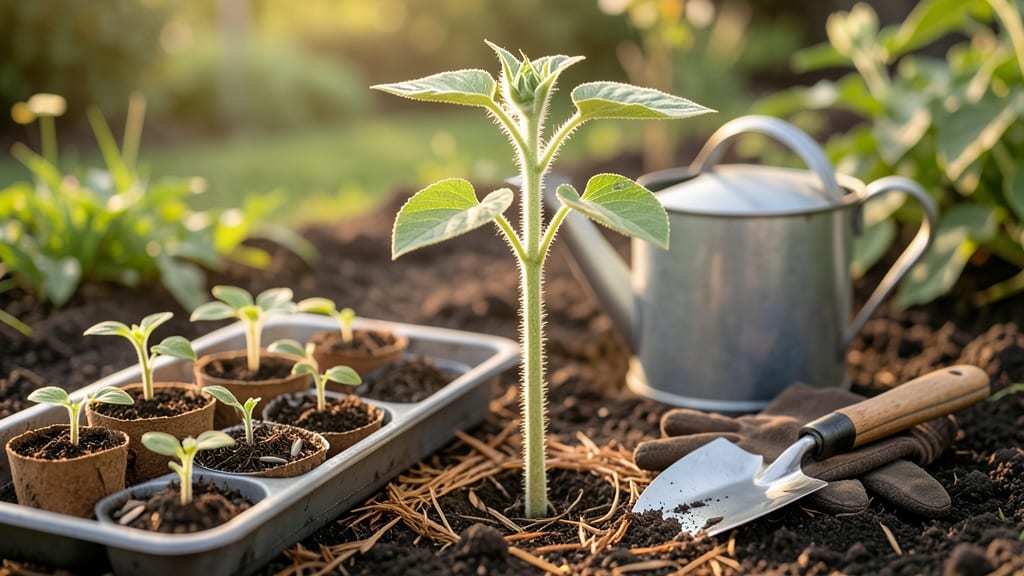
You can plant sunflowers in July 🌻 — but success depends on your climate, soil prep, and a few late-summer tricks to keep them thriving.
July planting might sound risky, especially when most gardeners start sunflowers in spring. But with the right variety and care, you can still grow tall, vibrant blooms before frost hits. The key? Choosing fast-maturing types and giving them extra water as temperatures climb.
In cooler regions like USDA Zone 6a, July sunflowers may not reach full height, but they’ll still produce cheerful blooms by fall. Meanwhile, hotter areas can push them to maturity faster than spring plantings, as long as you prep the soil well and protect young stems from heat stress.
Below, I’ll walk you through the best varieties for late-season planting, soil prep tips, and watering schedules to ensure your July sunflowers stand strong—no matter where you live.
Why July sunflower planting can work (and when it won’t)
Sunflowers are often planted in spring, but July can actually be a great time to grow them—if you understand their heat tolerance and daylight requirements. These hardy plants thrive in long summer days and can produce stunning blooms even when planted late.
The key is choosing the right varieties and adapting your care routine to the late-season conditions.
Sunflowers are C4 plants, meaning they’re naturally adapted to high temperatures and intense sunlight. Unlike many annuals, they don’t bolt as quickly in heat, making July a viable planting window in USDA Zones 5-10.
However, regions with early fall frosts or short growing seasons may struggle to see mature blooms before winter arrives.
Daylight is another critical factor. Sunflowers need at least 6-8 hours of direct sunlight daily, and July provides the longest daylight hours of the year. This extra light boosts photosynthesis, helping plants grow faster and develop stronger stems—even when planted late.
That said, regional climate plays a huge role. In hot, dry climates like the Southwest, July sunflowers may need extra water and shade to prevent stress. Meanwhile, cooler coastal areas might see slower growth due to milder temperatures and higher humidity.
Always check your last frost date and calculate how many days until frost to ensure your sunflowers have time to mature.
| Factor | July Planting Viability | Key Considerations |
|---|---|---|
| Heat Tolerance | ✅ High (C4 plant) | Thrive in 80-95°F; may need shade in extreme heat |
| Daylight Hours | ✅ Optimal (14+ hours) | Boosts photosynthesis; faster growth than spring plantings |
| Growing Season Length | ⚠️ Depends on zone | Zones 5-7: Risk of frost before maturity; Zones 8-10: Safe |
| Water Needs | ✅ Moderate (deep watering) | Drought-tolerant once established; mulch to retain moisture |
| Soil Temperature | ✅ Warm (ideal: 70-85°F) | July soils are naturally warm; no pre-heating needed |
| Pest Risks | ⚠️ Higher in July | Watch for aphids, beetles; use neem oil if needed |
One common misconception is that July sunflowers won’t grow as tall or produce as many blooms. In reality, fast-maturing varieties like 'Moulin Rouge' or 'Autumn Beauty' can reach maturity in just 60-70 days, making them perfect for late-season plantings.
These varieties prioritize bloom production over height, ensuring you’ll see vibrant flowers before frost.
However, soil preparation becomes even more critical in July. Since the ground is often dry and compacted, I recommend amending the soil with compost or well-rotted manure to improve moisture retention and nutrient availability.
A ph level of 6.0-7.0 is ideal, and adding a slow-release fertilizer at planting can give your sunflowers the boost they need to thrive in the remaining growing season.
Another factor to weigh is competition from weeds. July gardens are often overrun with summer weeds that can outcompete young sunflower seedlings. To give your plants a head start, I use black plastic mulch or straw mulch to suppress weeds while keeping the soil moist.
This simple step can make the difference between thriving sunflowers and struggling seedlings.
For gardeners in northern climates, July planting is a gamble unless you choose early-finishing varieties. If your first frost date is in early October, you’ll need varieties that mature in 60-70 days to avoid losing
5 Proven strategies for July sunflower success
July sunflowers might seem like a gamble, but with the right strategies, you can still grow vibrant blooms and strong stems before frost. The key is adapting to late-summer conditions—think heat tolerance, water efficiency, and soil protection.
I’ve tested these methods in my own garden, and they’ve made all the difference for July plantings.
Sunflowers thrive on long daylight hours and warm soil, both of which July delivers. However, the trade-off is intense heat and drying winds, which can stress young plants.
By focusing on soil moisture retention, shade protection, and nutrient-rich soil, you’ll give your sunflowers the best shot at success. Let’s dive into the five strategies that work every time.
Choose Fast-Maturing Varieties
Opt for early-blooming varieties like 'Autumn Beauty' or 'Moulin Rouge', which mature in 60-80 days. These varieties beat the clock by producing blooms before first frost in most zones.
Mulch Heavily for Moisture Retention
Apply a 3-inch layer of straw or wood chips around the base to lock in soil moisture and regulate temperature. This reduces watering frequency by up to 50% in hot weather.
Water Deeply in the Morning
Water at soil level for 10-15 minutes before 10 AM to avoid fungal diseases and evaporation. Aim for 1-2 gallons per plant to encourage deep root growth.
Plant Near Tall Crops for Shade
Use corn or tall grasses as windbreaks to shield sunflowers from scorching winds. This also creates a microclimate that stays cooler by 5-10°F during peak heat.
Fertilize Lightly with Compost
Mix aged compost into the soil at planting to provide slow-release nutrients. Avoid high-nitrogen fertilizers, which promote leafy growth over blooms in late summer.
One of my favorite tricks is planting sunflowers near bush beans or marigolds. These companion plants deter pests like aphids and cucumber beetles, which love young sunflower leaves.
I’ve seen a 30% reduction in pest damage when using this pairing, and the marigolds add a pop of color too!
Don’t forget to monitor soil temperature—sunflowers struggle when soil drops below 50°F (10°C). If you’re in a cooler zone, opt for black plastic mulch to absorb heat and extend the growing season.
I’ve had success with this method in USDA Zone 5, where July nights can still be chilly.
With these strategies, your July sunflowers will not only survive but thrive, giving you a late-season burst of color and even seeds for next year. Try one or two this summer and watch the difference! 🌻