
Plants
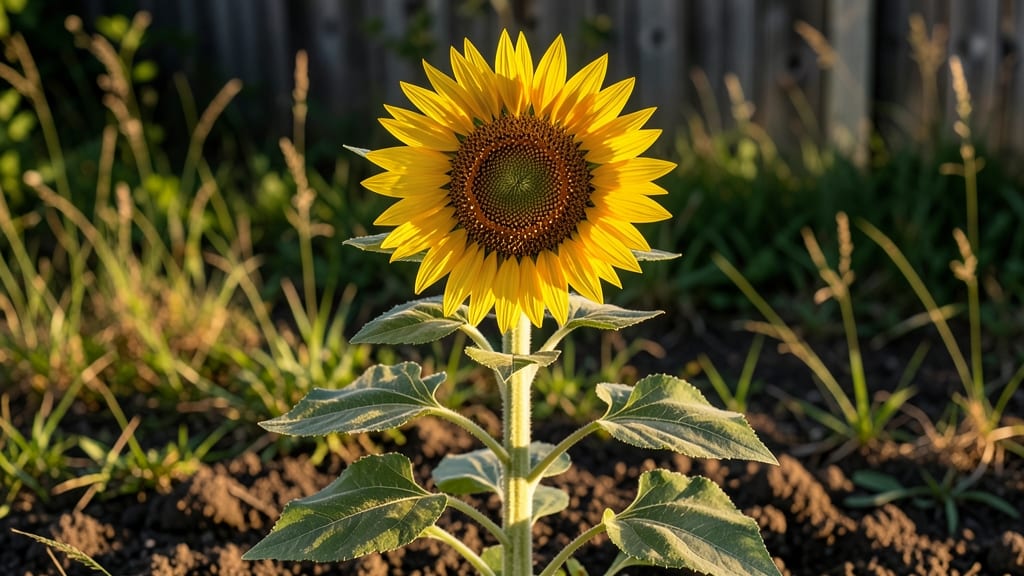
Sunflower plants grow anywhere from 3 feet to towering 16 feet tall, depending on the variety you choose—so picking the right one for your space is half the battle.
Imagine this: you plant a seedling in early spring, and by summer, it’s a sun-drenched skyscraper in your backyard 🌻. But not all sunflowers reach for the sky—some stay compact enough for containers, while others need room to stretch their legs.
The difference comes down to variety, sunlight, and a little garden math.
Whether you’re dreaming of a privacy screen or just want a few cheerful blooms for cutting, knowing how tall your sunflowers will grow helps you plan spacing, supports, and even where to place them in your garden layout.
Too close? They’ll crowd each other. Too far apart? You’ll miss the drama of their height.
In this guide, I’ll break down the height ranges of popular sunflower types, the factors that push them toward the sky (or keep them short), and how to pick the perfect variety for your garden’s size and style.

Sunflower height by variety: a complete growth chart for gardeners
Choosing the right sunflower variety is like picking the perfect skyscraper for your garden—some are delicate dwarf beauties while others reach towering heights of 15 feet.
The mature height of your sunflowers depends entirely on the cultivar you select, and knowing these ranges helps you plan spacing, support structures, and even pollinator-friendly zones.
Whether you dream of privacy screens, cut flowers, or whimsical container gardens, sunflowers offer a stunning range of sizes. From compact varieties perfect for balconies to giant cultivars that rival small trees, each type has its own growth expectations and ideal conditions to thrive.
Dwarf sunflowers (1–3 feet) are ideal for small spaces, while standard varieties (6–10 feet) work beautifully in borders. Meanwhile, giant sunflowers (10–16 feet) can become the dramatic centerpiece of your landscape—but they’ll need plenty of room to stretch their legs.
| Variety | Height Range | Ideal Spacing | Best For |
|---|---|---|---|
| 'Teddy Bear' | 1–3 feet | 12–18 inches apart | Containers, borders, cut flowers |
| 'Moulin Rouge' | 3–5 feet | 18–24 inches apart | Pollinator gardens, small plots |
| 'Autumn Beauty' | 4–6 feet | 24 inches apart | Cut flowers, mixed borders |
| 'Russian Giant' | 10–16 feet | 3–4 feet apart | Privacy screens, large gardens |
| 'Mammoth' | 12–14 feet | 4–5 feet apart | Field planting, dramatic displays |
| 'ProCut' | 5–7 feet | 24 inches apart | Floral arrangements, long stems |
If you’re growing dwarf varieties like 'Teddy Bear', you’ll love how they fit perfectly in containers or along patio edges. These sunflowers typically mature between 1–3 feet, making them ideal for small-space gardens or even indoor growing with sufficient light.
For medium-height sunflowers (3–6 feet), like 'Moulin Rouge' or 'Autumn Beauty', you’ll want to space them 18–24 inches apart. These varieties strike a balance between visual impact and manageable size, perfect for cutting gardens or pollinator-friendly plots.
When it comes to giant sunflowers, like the legendary 'Russian Giant' or 'Mammoth', prepare for towering heights of 10–16 feet. These varieties need ample spacing (3–5 feet) and often require stakes or cages to prevent toppling in windy conditions.
Pro tip: Always check the seed packet for specific height expectations, as some hybrid varieties can exceed listed ranges if given ideal growing conditions. Soil fertility, sunlight exposure, and water consistency all play a role in how tall your sunflowers will grow.
For urban gardeners or those with limited space, consider terracing or vertical supports to maximize growth without sacrificing room. Even dwarf sunflowers can benefit from a small trellis if you’re aiming for extended blooming.
Remember, sunflowers are fast growers, often reaching half their mature height in just 6–8 weeks. Plan your garden layout accordingly—whether you’re creating a whimsical sunflower maze or a simple border, knowing your variety’s height ensures everything grows harmoniously.
Now that you’ve got the height breakdown, it’s time to pick your perfect sunflowers and let your garden shine! 🌻
Factors that influence sunflower height and how to optimize growth
Sunflowers are nature’s skyscrapers, but their final height isn’t set in stone—it’s shaped by the conditions you provide. Soil quality, sunlight exposure, watering consistency, and even pruning techniques can push your plants toward their genetic potential or hold them back.
Understanding these factors lets you tailor your approach to grow sunflowers that fit your garden’s vision, whether you want compact pollinator magnets or towering statement pieces.
Start with soil fertility, which acts like a growth multiplier. Sunflowers thrive in well-draining soil rich in organic matter.
Amend heavy clay or sandy soil with compost to create a loose, nutrient-dense foundation. Photoperiod-sensitive varieties (like 'Russian Giant') need fertile soil to reach their 12+ foot heights, while dwarf varieties (like 'Teddy Bear') can thrive in leaner soil but still benefit from a boost.
Test your soil’s pH—aim for 6.0–7.5—and add lime or sulfur if needed to keep roots happy.
Sunflowers need 6–8+ hours of direct sun daily to reach max height. Partial shade can stunt growth by 30–50%.
Deep watering 2–3 times per week encourages strong stems. Overwatering weakens roots, while drought stress can reduce height by 20–40%.
Pinch back top buds early to encourage bushier growth (reduces height by 1–3 feet). Remove side shoots to direct energy upward.
Apply balanced fertilizer (10-10-10) at planting and again when plants are 6 inches tall. Over-fertilizing with nitrogen can boost foliage but reduce flower height.
Light is the single most critical factor for sunflower height. These plants are heliotropic, meaning they follow the sun’s arc to maximize energy absorption. Place them in the sunniest spot in your garden—south-facing beds or areas with minimal obstructions.
If you’re growing sunflowers in containers, rotate pots daily to ensure even light exposure. Shade-cloth or tall structures (like fences or trees) can cast long shadows, limiting growth. For giant varieties, prioritize open spaces where they can stretch toward the sky without competition.
Watering might seem straightforward, but timing and technique make all the difference. Sunflowers need deep, infrequent watering to develop strong root systems. Aim for 1–1.5 inches of water per week, delivered at the base of the plant in the morning to prevent fungal diseases.
Avoid wetting foliage, which can lead to powdery mildew—a common issue that weakens stems and reduces height. Drip irrigation or soaker hoses are ideal for consistent moisture without overhead spray. During drought conditions, mulch around the base with straw to retain soil moisture and cool roots.
Pruning isn’t just for shaping—it’s a tool to control height or encourage bushiness. For taller sunflowers, avoid pruning unless removing damaged leaves. To reduce height, pinch off the main bud when plants are 12–18 inches tall.
This triggers lateral branches, creating a fuller, shorter plant (ideal for borders or containers). For single-stem varieties, remove all side shoots to direct energy upward. Always use clean, sharp scissors to prevent disease transmission.
Finally, don’t overlook the genetic potential of your chosen variety. Dwarf sunflowers (like 'Moulin Rouge') will never reach 10 feet, no matter how perfect your conditions. Giant varieties (like 'Russian Giant') need all the right factors to hit their 12–16 foot range.
If you’re aiming for specific heights, select seeds labeled for your goals—cut flowers, pollinator gardens, or privacy screens—and pair them with the care they deserve.