
Shrubs
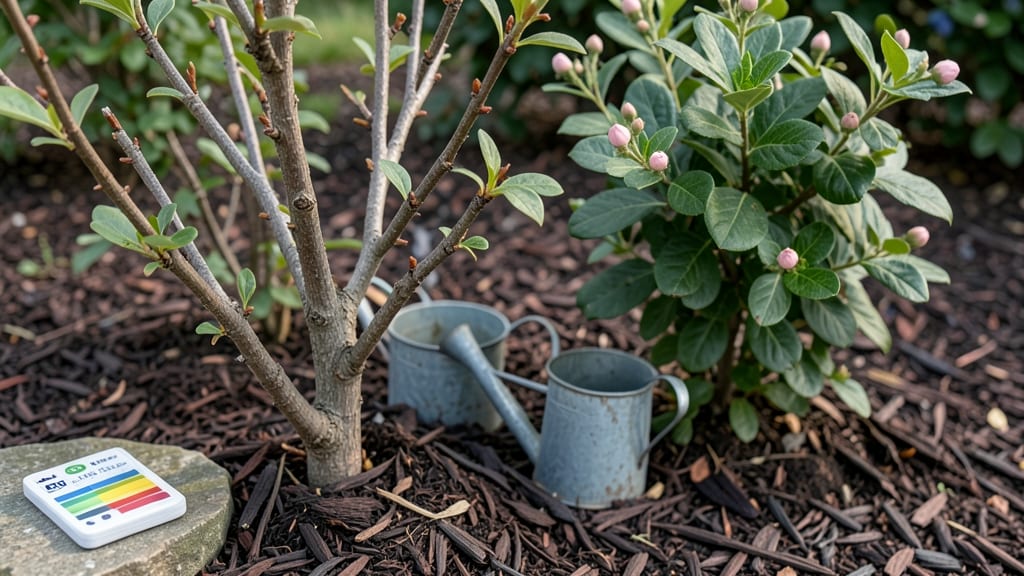
A blueberry bush not flowering this season could mean no berries next summer—unless you act now to fix the root causes.
Picture this: You’ve waited patiently for your 🫐 blueberry bush to burst into blooms, only to stare at lush green leaves and zero flowers. It’s frustrating, especially when you know how rewarding a harvest can be.
The good news? Most flowering issues are fixable with the right adjustments to soil, pruning, or even sunlight.
From checking your soil’s acidity to timing pruning just right, small tweaks can turn a non-flowering bush into a fruiting powerhouse. Below, I’ll walk you through the top reasons your blueberry bush is skipping blooms—and exactly how to bring them back next spring.
Whether it’s age-related dormancy, nutrient deficiencies, or a simple pruning mistake, you’ll find the solution to get those flowers—and eventually, juicy berries—back on track.
5 Common reasons your blueberry bush isn’t flowering (and how to fix them)
If your blueberry bush is thriving with lush green leaves but refusing to produce flowers, don’t panic—this is a common issue with simple fixes. Without blooms, your bush won’t bear fruit, so identifying the root cause early is key.
Many gardeners overlook subtle clues like yellowing leaves or stunted growth that signal underlying problems. Let’s break down the top reasons and actionable solutions to bring back those critical blossoms.
Blueberries are finicky about their growing conditions, and even small mistakes can delay or prevent flowering. From soil pH imbalances to improper pruning, each factor plays a role in whether your bush will bloom.
The good news? Most of these issues are reversible with targeted adjustments. Start by checking your bush’s location, soil health, and care routine—these are the most common culprits behind skipped blooms.
🔍 Here’s the critical insight: Blueberry bushes need a balance of sunlight, nutrients, and dormancy to produce flowers. If one element is missing, the plant redirects its energy to survival instead of reproduction. For example, a young bush under 3 years old may not flower at all, while an older plant might struggle due to over-fertilization or winter damage. Let’s tackle each scenario step by step.
-
1
Insufficient Sunlight
Blueberries need 6+ hours of direct sun. Shade from trees or buildings stresses the plant, delaying blooms. Move your bush to a sunnier spot or thin nearby foliage to improve light exposure. -
2
Wrong Soil pH
Blueberries thrive in acidic soil (pH 4.5–5.5). Test your soil—if it’s alkaline, amend with peat moss or sulfur. A pH above 6.0 can block nutrient uptake, stunting flower production. -
3
Over-Fertilization
Too much nitrogen-rich fertilizer promotes leafy growth but suppresses flowers. Switch to a balanced acid-loving fertilizer (10-10-10) and apply sparingly—¼ cup per bush, 2x/year—after harvest. -
4
Poor Pruning Habits
Prune in late winter or early spring to remove dead or crowded branches. Avoid heavy pruning in summer—this stresses the plant and reduces next year’s blooms. Keep the bush open and airy for better light penetration. -
5
Lack of Dormancy
Blueberries need winter chill (40–50°F for 100+ hours) to trigger flowering. If winters are too mild, the bush may not enter dormancy properly. Mulch heavily in fall and avoid late-season fertilizing to encourage natural dormancy.
Let’s start with the most overlooked issue: sunlight exposure. Many gardeners assume their blueberry bush is getting enough light, but partial shade—even from nearby trees or a fence—can drastically reduce flowering.
If your bush is tucked away in a shady corner, relocate it to a south-facing spot where it receives unfiltered sunlight for at least 6 hours daily. For container-grown bushes, place them in the sunniest part of your patio or deck.
Next, check your soil pH, which is the #1 factor in blueberry health. These plants are acid-loving and won’t flower if the soil pH creeps above 6.0. Grab a soil test kit (available at garden centers for ~$10) and adjust the pH using peat moss or sulfur if needed.
Aim for a target range of 4.5–5.5. Pro tip: Mix in pine needles or oak leaves as mulch—they naturally acidify the soil over time.
Over-fertilizing is another silent killer of blueberry blooms. While you might think more fertilizer equals better growth, the opposite is true. Excess nitrogen (the first number in NPK ratios) encourages leafy foliage at the expense of flowers.
Switch to a low-nitrogen, high-phosphorus fertilizer (like 10-10-10) and apply it only after harvest to promote next year’s blooms. Avoid fertilizing in late summer or fall, as this can stimulate late-season growth vulnerable to frost damage.
Pruning mistakes often go unnoticed until it’s too late. Blueberries flower on wood from the previous year
How to adjust soil and care for blueberry bush flower production
To encourage your 🫐 blueberry bush to produce flowers, start by focusing on its soil acidity. Blueberries thrive in soil with a pH between 4.5 and 5.5. If your soil is too alkaline, nutrients like iron and manganese become unavailable, stunting flower production.
Test your soil using a home pH kit or send a sample to your local extension office for analysis. If the pH is too high, amend the soil with sulfur or peat moss to lower it gradually over a few months.
Another critical factor is organic matter in the soil. Blueberries need well-draining, nutrient-rich soil to support flower development. Mix in compost or aged manure to improve soil structure and provide essential nutrients. Avoid synthetic fertilizers high in nitrogen, as they promote leafy growth at the expense of flowers.
Instead, opt for acid-loving plant fertilizers formulated specifically for blueberries, which balance nitrogen, phosphorus, and potassium to encourage blooming.
Soil and Care Adjustments for Blueberry Flower Production
DO:
- Test soil pH annually (aim for 4.5–5.5)
- Add peat moss or pine bark to acidic soil
- Use organic mulch (pine needles, wood chips)
- Fertilize with acid-forming NPK (e.g., 10-10-10)
- Water deeply 2-3x/week (1-2 gallons per bush)
DON'T:
- Use lime or high-pH amendments
- Over-fertilize with nitrogen-heavy products
- Let soil dry out completely between waterings
- Prune in late summer/fall (removes next year’s blooms)
- Plant in clay-heavy or alkaline soil without amending
Watering plays a pivotal role in flower production. Blueberries need consistent moisture, especially during the spring blooming period. Water deeply 2-3 times per week, providing 1-2 gallons per bush. Avoid shallow watering, which encourages weak root growth.
Instead, water slowly at the base of the plant in the early morning to reduce evaporation and fungal risks. Mulching with pine needles or wood chips helps retain moisture and maintain soil acidity.
Seasonal maintenance is key to encouraging flowers. In early spring, prune out dead or crossing branches to improve airflow and sunlight penetration. Avoid heavy pruning, as blueberries produce flowers on wood from the previous year.
After harvesting, apply a balanced acid-loving fertilizer to replenish nutrients and promote next year’s blooms. In fall, add a 2-3 inch layer of mulch to protect roots from freezing temperatures and maintain soil acidity over winter.
If your blueberry bush is younger than 3 years old, it may still be establishing its root system and won’t flower yet. Patience is key—focus on building strong roots through proper soil care and watering.
For mature bushes, ensure they receive 6+ hours of sunlight daily and avoid overcrowding, which can stress the plant and reduce flower production. With the right adjustments, your blueberry bush will rebound with vibrant blooms and a bountiful harvest next season.
Remember, blueberries are perennial plants, meaning they’ll continue to produce flowers and berries for decades with the right care. By prioritizing soil acidity, balanced fertilization, and consistent watering, you’ll create the ideal conditions for your bush to thrive and flower abundantly year after year.