
Shrubs
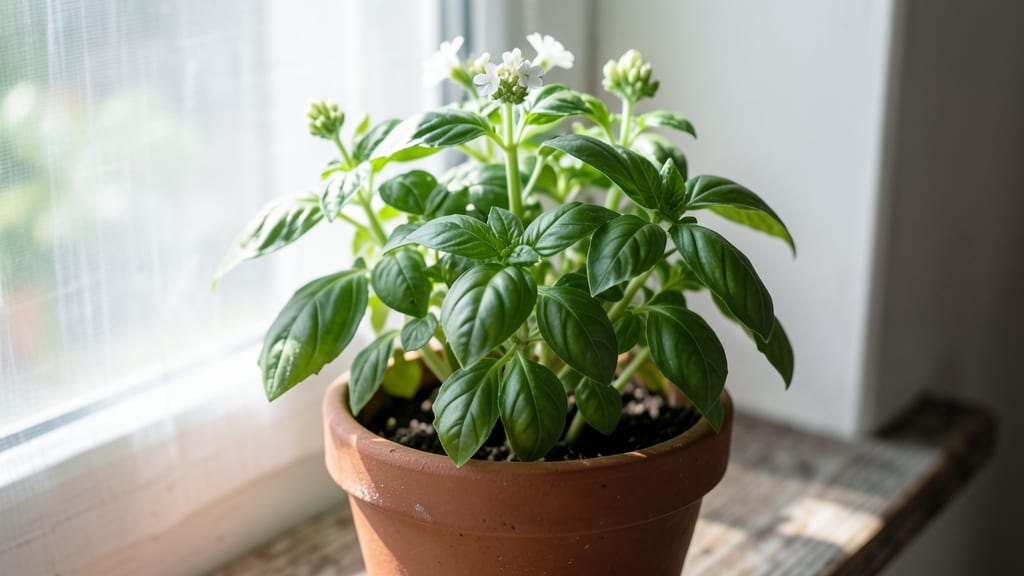
To tell if basil is flowering, look for tiny white or purple clusters forming at the leaf joints—these are the first warning signs your plant is shifting from leaf production to seed-making.
If your basil plants are suddenly producing small white or purple flowers instead of lush green leaves, your harvest quality—and flavor—could be at risk. Recognizing these early signs is the first step to saving your crop and extending your growing season.
Flowering basil doesn’t just mean fewer leaves—it also means a bitter taste, as the plant redirects energy toward seeds. The key is acting fast by pruning those flower buds before they open, which resets growth and keeps your 🌿 thriving.
In this guide, I’ll walk you through the three most reliable ways to spot flowering basil, how to stop it in its tracks, and why timing matters—especially if you’re growing in USDA Zone 6a or warmer climates.
3 Visual signs your basil plant is flowering (and why it matters)
When your basil plants start shifting focus from leaf production to flowering, it's a clear signal that your harvest may soon decline. Flowering basil produces smaller, less flavorful leaves, and the plant's energy shifts from growth to seed production.
Recognizing these signs early helps you take action to preserve your crop and extend the growing season.
Flowering typically occurs when basil senses it's nearing the end of its natural growing cycle, often triggered by heat stress, over-maturity, or poor growing conditions. The three most obvious visual clues appear in stages, starting with subtle changes in leaf appearance before the flowers even form.
-
1. Tiny Buds Forming at Leaf Axils
Look closely at the leaf axils (where leaves meet stems). You'll spot small, greenish-white buds about 1/8-inch wide. These are the first stage of flower development and appear before any visible blooms. -
2. Color Shift from Green to Purple
As buds mature, the stem tips and new growth may turn purplish-red. This color change signals the plant is redirecting energy toward flower production instead of leaf growth. -
3. Leaf Size and Shape Changes
Existing leaves shrink and become thinner, while new leaves grow smaller and less aromatic. This is your basil's way of conserving resources for reproduction rather than leaf production.
If you notice these early signs of flowering, act quickly. Once the white or purple flowers fully bloom, your basil's flavor and yield will suffer. The good news? Pruning these buds and flowers can often reset your plant's growth cycle, giving you weeks more of flavorful leaves.
Flowering also affects the chemical composition of your basil. The essential oils responsible for its signature aroma and taste—like eugenol and linalool—decrease as the plant focuses on seed production. This means your harvest won't just be smaller; it'll also taste milder and less complex.
Seasonal timing plays a role too. Basil planted in late spring or early summer may flower faster due to longer daylight hours and warmer temperatures. If you're growing basil in containers, heat stress from black plastic pots can accelerate flowering, so opt for lighter-colored containers to reflect sunlight.
Don't confuse flower buds with leaf growth—they're easy to miss at first glance. Check the top third of your plant first, as this is where flowering typically begins. If you're harvesting leaves regularly, you'll spot these changes sooner because you're already inspecting the plant frequently.
Once you confirm flowering has started, your next step is to prune the buds. Use clean, sharp pruning shears to snip off the flower stems just above a leaf node.
This encourages the plant to redirect its energy back to leaf production, often resulting in a second flush of growth.
Remember, flowering isn't always a bad thing—it's a natural part of the plant's life cycle. However, for gardeners who want to maximize leaf production, recognizing these signs early is key. With the right care, you can often reset your basil's growth and enjoy a longer, more productive harvest season.
How to stop basil flowering: proven techniques to reset growth
Once you spot those tiny white or purple flower buds on your basil, panic isn't helpful—but action is! Flowering signals your plant is shifting energy from leaf production to seed development, which means softer, milder-tasting leaves and fewer harvests.
The good news? With the right pruning techniques, you can reset growth and keep your basil thriving for weeks longer.
Timing is everything. If you act within 24-48 hours of spotting flowers, you'll maximize your chances of encouraging new leaf growth. Delay too long, and your plant may become woody or bitter. Let's walk through the exact steps to stop flowering and revive your basil's vigor.
Step-by-Step: How to Stop Basil Flowering
-
Step 1: Identify the Flowers
Look for small clusters (0.5-1 inch) of white or purple buds at the leaf axils (where leaves meet stems). These are your flowering triggers. -
Step 2: Gather Tools
Grab sharp pruning shears, rubbing alcohol (to sterilize), and gardening gloves (optional). Avoid dull scissors—they crush stems and stress the plant. -
Step 3: Prune Below the Buds
Cut 1/4 inch above the flower bud at a 45-degree angle. This prevents water pooling and encourages new side shoots to form. -
Step 4: Sterilize Tools
Wipe shears with rubbing alcohol between cuts to avoid bacterial spread, which can cause leaf spot disease. -
Step 5: Boost Growth Conditions
After pruning, move your basil to a sunnier spot (if possible) and water deeply at the base. Avoid wetting leaves to prevent fungal issues. -
Step 6: Fertilize Lightly
Use a balanced fertilizer (10-10-10) diluted to half strength 3-5 days post-pruning. This gives your basil the nutrients to bounce back. -
Step 7: Monitor for New Growth
Within 7-10 days, you should see new leaf buds forming at the stem nodes. If not, check for underwatering or pests.
Pro tip: If your basil is already flowering heavily, don't hesitate to prune back 1/3 of the plant. This may seem drastic, but it forces the plant to redirect energy to leaf production rather than seed development.
Just be patient—new growth will emerge from the lower stem nodes.
For container-grown basil, pinching off flowers (removing them by hand) can also work, but pruning is more effective for larger plants.
If you're growing basil indoors near a south-facing window, ensure it gets at least 6 hours of direct light daily—low light is a common trigger for early flowering.
After resetting your basil, keep an eye out for new flower buds and prune them immediately. Consistency is key to maximizing your harvest and enjoying fresh, flavorful leaves all season long. With these techniques, you can extend your basil's productivity by 4-6 weeks or more!