
Flowers
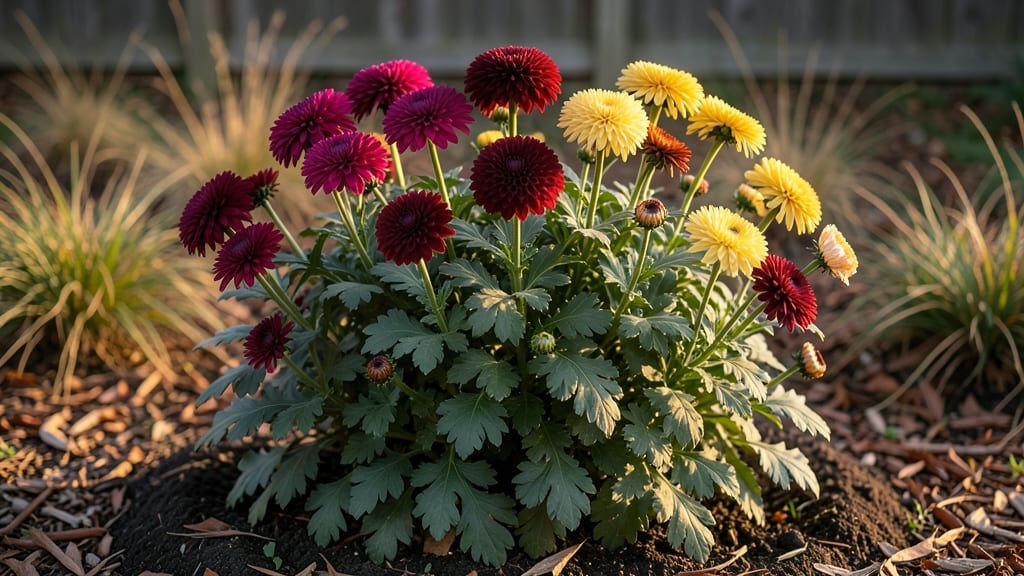
Mums flowers bloom in late summer through fall 🌼, turning your garden into a riot of color just in time for the cooler months.
Ever wondered why your chrysanthemums seem to bloom at different times each year? The answer lies in your USDA zone, sunlight exposure, and even the variety you’ve planted.
In Zone 6a, where I garden, the first buds typically appear in early September, but in warmer climates like Zone 9, they might start as early as July.
Getting the timing right isn’t just about aesthetics—it’s about making the most of your garden’s seasonal display. With the right care, you can extend their bloom time well past the first frost, ensuring vibrant color long after other flowers have faded.
Below, I’ll break down the exact months mums bloom by zone, share pro tips to delay frost damage, and recommend the best varieties for early or late-season color. Let’s make sure your garden stays stunning from summer’s end through winter’s first chill.
When do mums bloom: exact months by USDA planting Zone
Timing is everything when it comes to chrysanthemum (mums) blooms. These fall favorites thrive with precise planting schedules that vary dramatically across USDA zones 3-11.
Whether you're in frigid Zone 3 or mild Zone 11, knowing your exact bloom window ensures vibrant color from early September through frost. Let’s break down the month-by-month schedule so you can plan your garden’s grand finale.
Most gardeners assume mums bloom only in late fall, but the truth is far more exciting. With the right variety selection and planting timing, you can stretch their display from early September in warm zones all the way to late October in cooler regions.
The key lies in understanding how temperature fluctuations and daylight hours trigger blooming—especially the 12-hour daylight threshold that signals flowers to open.
Early-blooming varieties like 'Bright Lights' or 'Dynasity' often start showing color as early as late August in Zone 10, while late-season types in Zone 4 might not reach peak bloom until mid-October. This variation means you can create a staggered fall display by mixing types. Let’s dive into the exact months for each zone, including regional adjustments for cooler microclimates.
🌼
In Zones 3-4, where winters arrive early, mums typically bloom from mid-September to early November. The short window demands precise planting—aim for late July to give roots time to establish before cold sets in.
For Zones 5-6, the bloom period stretches from early September to late October, making them perfect for Halloween displays.
Gardeners in Zones 7-8 enjoy the longest mum season, with blooms appearing as early as late August and lasting until mid-November. This extended window allows for reblooming varieties like 'Bonanza' or 'Medallion', which can produce multiple flushes of flowers with proper deadheading and fertilizer adjustments.
In these zones, you can even plant a second batch in early September for a late-fall extension.
For Zones 9-10, mums can bloom year-round with minimal care, though peak color occurs from early August to December. The key here is to avoid summer heat stress—provide afternoon shade and increase watering frequency to every 2-3 days during heatwaves.
In Zone 11, tropical varieties like 'Diamond' or 'Sea Shells' thrive, offering continuous blooms from July to December with only occasional frost protection needed.
Regional variations can shift bloom times by 1-2 weeks. For example, coastal areas in Zone 8 may see earlier blooms due to milder temperatures, while inland regions in Zone 5 might experience delayed starts from heavy early-season rainfall.
To adjust for cooler microclimates, plant heat-tolerant varieties like 'Mammoth' in shaded spots or use black plastic mulch to warm soil and extend the season by 10-14 days
How to extend mum bloom time: pro tips for longer color
Mums (chrysanthemums) are the star of fall gardens, but their vibrant blooms can fade quickly with the first frost. The key to longer color lies in strategic care—starting with soil prep and ending with smart variety selection.
By adjusting your routine, you can push bloom time 2-4 weeks beyond what’s typical for your zone.
First, focus on root health. Mums with strong roots handle stress better, including early cold snaps. Amend your soil with compost or aged manure before planting to improve drainage and nutrient uptake. This simple step ensures plants absorb water and fertilizer efficiently, keeping blooms vibrant longer.
- Better drainage prevents root rot
- Faster growth in cooler weather
- Stronger stems resist wind damage
- Poor nutrient uptake leads to weak blooms
- Waterlogged soil invites fungal diseases
- Shorter bloom time due to stress
Next, water wisely. Mums need consistent moisture, but overwatering in fall can weaken stems before frost. Water deeply in the morning only, aiming for 1 inch per week. Reduce frequency in late September to harden off plants—this mimics natural drought stress and triggers frost resistance.
Fertilizer timing is critical. Use a balanced 10-10-10 formula in early summer to build foliage, then switch to a low-phosphorus feed (5-5-5) in late August. This shift prioritizes blooms over leaves, ensuring energy goes to colorful flowers instead of new growth.
Avoid fertilizing after mid-September—it can delay frost hardiness.
Choose late-season varieties like 'Dynasity' or 'Bravo' for extended blooms. These cultivars are bred to thrive in cooler temps and often rebloom after deadheading. Pair them with early bloomers like 'Bright Lights' to stagger your fall color show.
For USDA Zones 5-7, start with mid-season types—they balance bloom time and frost tolerance.
Finally, prune strategically. Cut back spent blooms but leave lower leaves intact to protect roots. In Zone 6 and colder, add a 2-inch layer of mulch in early October to insulate roots.
This simple step can delay frost damage by 1-2 weeks, giving you extra weeks of color.
With these tweaks, your mums will shine until hard frost, turning heads in your garden well into November. The secret? Start early, adjust as seasons shift, and pick the right varieties for your zone. Your fall garden will thank you! 🌼