
Size
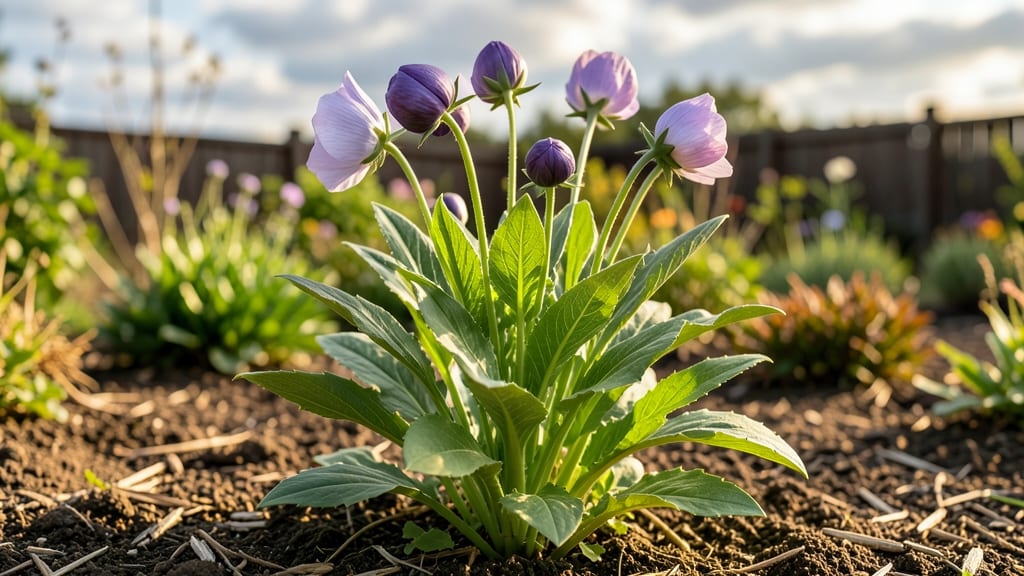
Balloon flowers 🌸 get anywhere from 1 to 3 feet tall, depending on the variety and how you grow them—some stay neat and compact while others reach for the sky.
If you’ve ever eyed a garden bed and wondered whether these cheerful blooms would fit, the answer depends more on the type you pick than the space you have.
A dwarf variety like 'Hortensia' stays under 2 feet, perfect for containers or borders, while taller types like 'Astra Blue' can hit 3 feet when happy in the right conditions.
Sunlight and soil make all the difference: too much shade keeps them short, but full sun and rich soil can push them toward their maximum height. That’s why spacing matters—plant them too close, and they’ll compete for nutrients, staying stunted.
Here’s what you need to know to choose the right size for your garden, from compact clumps to towering stems, and how to keep them thriving year after year.
Balloon flower height by variety: compact to towering sizes
Balloon flowers (Platycodon grandiflorus) are one of those garden plants that surprise you with their versatility. Some varieties stay neatly contained at just 12 inches tall, perfect for window boxes, while others stretch toward the sky, reaching 3 feet or more.
The difference comes down to the specific cultivar—each one has its own growth habits and ideal placement in your garden. Knowing these height ranges helps you plan borders, containers, or cottage garden layouts with confidence.
For example, the 'Hortensia' variety stays compact at 18-24 inches, making it ideal for edging or small pots, while 'Astra Blue' can tower up to 36 inches when given ideal conditions.
Even within the same species, soil quality, sunlight exposure, and spacing can push plants toward their upper or lower height limits. Let’s break down the most popular varieties so you can choose the perfect fit for your space.
Here’s where the comparison gets interesting: some balloon flowers grow upright like delphiniums, while others form bushy clumps similar to daylilies. The spread is just as important as height—many varieties spread 12-18 inches wide, so crowding them too closely can stunt their growth.
Understanding these dimensions ensures your balloon flowers thrive without competing for nutrients or light.
| Variety | Height Range | Spread | Growth Habit | Comparison Plant |
|---|---|---|---|---|
| 'Hortensia' | 18-24 inches | 12-15 inches | Bushy clump | Lavender |
| 'Astra Blue' | 24-36 inches | 15-18 inches | Upright stems | Daylily |
| 'White Pearl' | 12-18 inches | 10-12 inches | Compact mound | Sweet Alyssum |
| 'Marine' | 20-30 inches | 12-15 inches | Semi-upright | Snapdragon |
| 'Royal Crown' | 30-36 inches | 18-24 inches | Tall and sturdy | Foxglove |
Height and spread can vary based on growing conditions like sunlight and soil fertility.
If you’re working with a small garden or containers, the 'White Pearl' and 'Hortensia' varieties are excellent choices. Their compact stature (12-24 inches) makes them perfect for window boxes or mixed borders where space is limited.
Even in containers, these varieties thrive as long as you provide well-draining soil and partial shade—they’ll reward you with vibrant blooms without taking over your patio.
For a dramatic cottage garden look, taller varieties like 'Astra Blue' or 'Royal Crown' create stunning vertical interest. These can reach 3 feet or more, making them ideal for the back of borders or as focal points in perennial beds.
Just be sure to stake them if your garden experiences strong winds—balloon flowers have delicate stems that can flop under heavy blooms.
One of my favorite tricks for controlling height is pinching back young plants in early spring. By snipping the top set of leaves when the plant is about 6 inches tall, you encourage bushier growth rather than a single tall stem.
This works especially well for 'Marine' or 'Astra Blue', which can become leggy without this simple adjustment. It’s a game-changer for container gardening!
When planning your garden layout, don’t forget to consider maturity timelines. Balloon flowers typically reach their full height by mid-summer, so if you’re planting near other perennials, choose companions that won’t be overshadowed.
For instance, pairing 'Hortensia' with salvia (which stays around 2 feet tall) creates a balanced look, while 'Royal Crown' pairs beautifully with delphiniums for a towering, romantic display.
If you’re new to growing balloon flowers, start with a mix of heights to see what thrives in your specific conditions. I’ve found that partial shade and rich soil push most varieties toward their upper height limits, while full sun and poorer soil can keep them more compact.
Keep a garden journal to track which varieties perform best in your space—you might discover a new favorite!
Remember, balloon flowers are perennials, meaning they’ll come back year after year. Give them room to establish their root systems in the first growing season, and you’ll enjoy their unique blooms and varying heights
How growing conditions affect balloon flower size: sun, soil, and spacing
Your balloon flowers 🌸 might stay short and bushy or grow tall and leggy, depending on how you nurture them. The right sunlight exposure, soil conditions, and plant spacing can push their height from 1 foot to over 3 feet.
If you’ve noticed your plants struggling to reach their full potential, it’s likely one of these three factors holding them back.
Balloon flowers thrive in partial shade but can tolerate full sun if given enough water. Too much shade keeps them small and weak, while too much direct sun without proper care can scorch their leaves.
The soil type also plays a huge role—heavy clay soil can stunt growth, while well-draining, nutrient-rich soil encourages taller, healthier stems.
Spacing is another critical factor. Plant them too close, and they’ll compete for nutrients, staying stunted and leggy. Give them room to breathe, and they’ll reward you with sturdy stems and vibrant blooms. Let’s break down how each of these conditions affects your balloon flowers’ size.
Growing Conditions: Pros & Cons for Balloon Flower Size
✅ Promotes taller growth (up to 3 feet)
✅ Brighter, more vibrant blooms
❌ Requires well-draining soil to prevent root rot
❌ Needs consistent watering (drought stress stunts growth)
✅ Keeps plants compact (1-2 feet)
✅ Ideal for containers or borders
✅ Less watering needed
❌ May produce smaller blooms over time
✅ Encourages strong root growth (taller plants)
✅ Prevents root rot in wet climates
❌ Requires amending clay soil with compost
✅ Retains moisture (good for dry climates)
❌ Can stunt growth if too dense
❌ Increases risk of fungal diseases
✅ Allows full growth potential (2-3 feet)
✅ Reduces disease spread (better airflow)
❌ Requires more garden space
✅ Saves space in small gardens
❌ Leads to stunted growth (1 foot or less)
❌ Increases pest risks (crowded foliage)
If your balloon flowers are staying shorter than expected, check their sunlight exposure first. Move them to a sunnier spot and watch them reach for the sky—just ensure the soil stays moist. For taller varieties, stake them early to prevent flopping, especially in windy areas.
For soil improvement, mix in compost or sand if your garden has heavy clay. This boosts drainage and nutrient availability, helping your plants grow stronger. And remember, spacing matters: give them room to spread their roots, and they’ll thank you with bigger blooms and better health.
With the right conditions, your balloon flowers can become the showstopper of your garden—tall, vibrant, and full of life. Experiment with sunlight and spacing to find what works best for your space, and enjoy watching them grow! 🌿