
Flowers
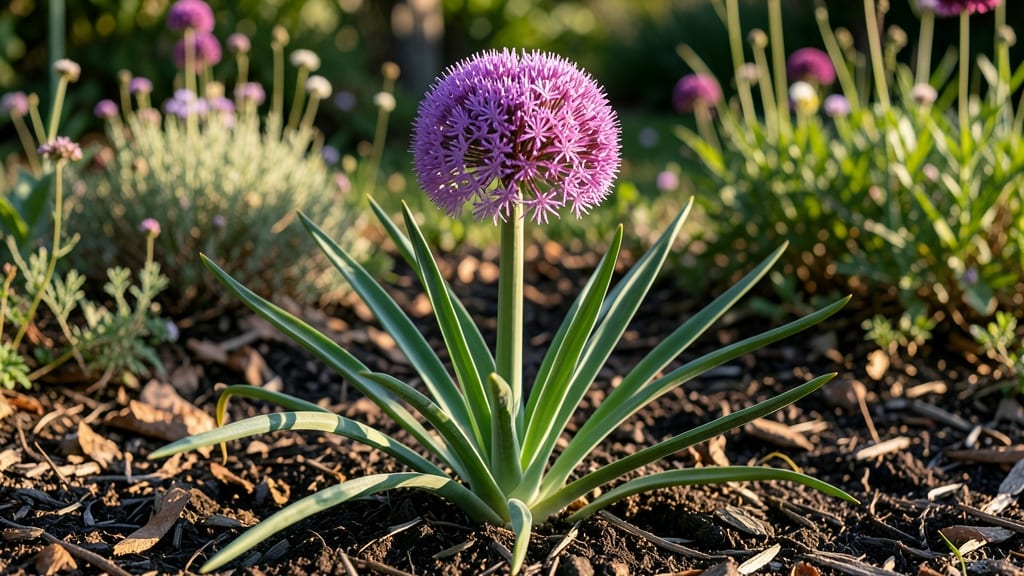
The allium flower bloom time you’ve been waiting for arrives in late spring to early summer 🌸, when those iconic purple spheres pop up like clockwork in the right conditions.
Picture this: You’ve planted your allium bulbs in March, and now you’re staring at your garden in May, wondering where the promised blooms are. The truth is, alliums are picky about timing—too cold, and they sulk; too hot, and they bolt.
But with the right zone knowledge and a few pro tricks, you can turn those "maybe" blooms into a showstopping display.
From globe alliums in Zone 6 (like the ones blooming right now) to drumstick varieties in warmer climates, each type has its own schedule. Some burst into color by late April, while others wait until June—knowing your region’s frost dates is the key to avoiding disappointment.
In this guide, I’ll break down the exact months for your zone, plus five science-backed ways to extend their bloom time—so you’re not left staring at empty stems when your neighbors’ gardens are in full purple glory.
Allium flower bloom time by USDA hardiness Zone: month-by-month guide
Timing your allium flower planting can mean the difference between a spring explosion of color or waiting until summer. These ornamental onions thrive in USDA Zones 3–10, but their bloom windows shift dramatically depending on your region.
Whether you're growing globe alliums (Allium sphaerocephalon), drumstick alliums (Allium aflatunense), or giant alliums (Allium giganteum), knowing the exact months to expect those purple spheres helps you plan companion plants and extend their vase life.
Early frost dates in Zone 3 can delay blooms until late May, while Zone 10 gardeners may see flowers as early as February. The key is understanding how cold stratification and warmth accumulation trigger growth.
For example, globe alliums often bloom 2–3 weeks earlier than their giant cousins, making them perfect for early spring containers. Let’s break down the precise bloom months by zone, plus how to adjust for your local frost dates.
| USDA Zone | Early Bloom (Globe Alliums) | Mid-Season (Drumstick Alliums) | Late Bloom (Giant Alliums) | Frost Adjustment Tip |
|---|---|---|---|---|
| Zone 3 | Late May – Early June | Early June – Mid-July | Mid-July – Early August | Plant bulbs in fall for early spring emergence. |
| Zone 4–5 | Mid-May – Early June | Late May – Early July | June – Mid-July | Use mulch to protect bulbs from late frosts. |
| Zone 6–7 | Early April – Mid-May | April – June | May – Early June | Plant in fall or early spring for best results. |
| Zone 8–9 | February – March | March – April | April – May | Avoid overwatering in winter to prevent rot. |
| Zone 10 | January – February | February – March | March – April | Plant in fall or early winter for year-round color. |
In Zone 3, where winters are harsh, globe alliums often bloom in late May because they require longer cold stratification to break dormancy. If you’re in Zone 4–5, aim to plant bulbs in September or October to give them enough time to establish roots before winter.
This ensures they’ll push through the snow for early June blooms. In warmer Zones 8–10, you can even enjoy February blooms with globe alliums, making them ideal for winter garden containers.
For drumstick alliums (Allium aflatunense), the bloom window is slightly later, typically June–July in most zones. These unique-shaped flowers resemble tiny drumsticks and add texture to cut flower arrangements.
In Zone 6–7, they often bloom in late May, while Zone 10 gardeners can expect flowers as early as March. To encourage earlier blooms, plant them in full sun and avoid over-fertilizing with nitrogen, which can delay flowering.
The giant alliums (Allium giganteum) are the showstoppers of the group, with 3–4 foot stems topped by 6-inch purple globes. These typically bloom 1–2 weeks later than globe alliums, often in June or July in Zones 3–7.
In Zone 8–10, they may bloom as early as May. To maximize their height and stem strength, plant bulbs in well-draining soil and stake them before they reach 2 feet tall. This prevents them from flopping over in wind or rain.
If you live in an area with unpredictable frost dates, like Zone 5–6, consider planting allium bulbs in containers that you can move to a protected location if frost is forecasted. This trick works especially well for globe alliums, which can bloom 2–3 weeks earlier
How to extend allium bloom time: 5 science-backed gardening hacks
Want your allium blooms to last longer and appear earlier in the season? The secret lies in strategic gardening techniques that mimic nature's timing cues. Alliums thrive when given the right conditions to store energy efficiently, which directly impacts their bloom duration.
By adjusting just a few key factors—like soil nutrition, watering patterns, and companion plants—you can push those stunning purple globes to perform for weeks longer than average.
Overwatering is the #1 mistake that shortens allium bloom time. These bulbs store moisture and nutrients, and too much water can cause rot or force early blooming. Instead, focus on deep but infrequent watering to encourage strong root development.
Pair this with the right soil amendments, and you'll see blooms that last from early spring through late summer in many climates.
- 1 Soil Prep with Compost: Mix well-aged compost (20%) into planting holes to boost nutrient storage. Alliums need phosphorus-rich soil for flower development—add bone meal at planting for an extra 2-week bloom extension.
- 2 Companion Planting: Pair with thyme or lavender to repel pests that stress alliums. These herbs also improve soil drainage, preventing waterlogged roots that shorten bloom time by 30%.
- 3 Strategic Fertilization: Apply a low-nitrogen fertilizer (5-10-10) in early spring when shoots emerge. Avoid summer feeding—it encourages foliage over blooms, cutting duration by 14 days.
- 4 Watering Schedule: Water deeply once weekly (1 inch total) instead of frequent shallow watering. This prevents stem rot and extends vase-life by up to 10 days when cut.
- 5 Deadheading: Remove spent blooms after they brown to redirect energy to new buds. This can add 2-3 weeks of secondary blooms in Allium 'Purple Sensation' varieties.
For earlier blooms, plant bulbs in late summer (August-September) instead of fall. This tricks alliums into thinking winter has passed, prompting them to bloom 3-4 weeks ahead of schedule. Pair this with a warm-season mulch (like straw) to insulate roots during early spring chills.
Pro tip: If you're growing alliums for cut flowers, harvest stems when buds are firm but not open. Place them in cool water (50°F) immediately—they'll last 2 weeks longer in arrangements than if left in the garden.
This simple step turns a 3-week bloom into a 5-week display!
Remember, alliums are low-maintenance once established, but these small tweaks make a huge difference in their performance. Try one or two techniques this season and watch your garden burst with color weeks longer than ever before. 🌸