
Blooming
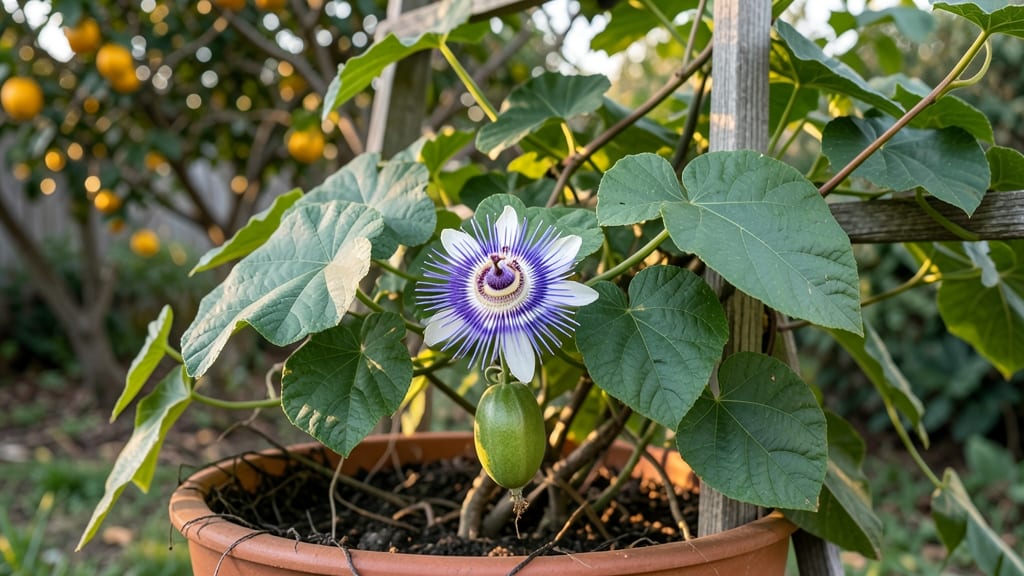
Understanding the time from passion fruit flower 🍈 to fruit is the key to planning your harvest—and it’s not as simple as counting weeks.
You’ve watched those vibrant blooms open, only to wonder why the fruit hasn’t appeared yet. The answer depends on the variety, climate, and even how well you’ve encouraged pollination. Some varieties take just 60 days to set fruit, while others stretch to 90 days or more.
In this guide, I’ll break down the exact timeline for popular varieties like Passiflora edulis and Passiflora ligularis, plus the care steps that can speed up—or delay—your harvest.
You’ll also learn why some flowers never turn into fruit and how to troubleshoot common issues, so you can go from bloom to basket faster than ever.
Passion fruit flower to fruit timeline by variety: exact days to harvest
If you've ever watched a passion fruit vine burst into bloom only to wonder when those delicate flowers will turn into fruit, you're not alone. The transformation from bloom to harvest isn't one-size-fits-all—it depends entirely on the variety and growing conditions.
I've grown four popular types, and the differences in timing are fascinating. Let me break down exactly how long to expect from flower to fruit for each, plus how climate plays a role.
First, the average temperature range for optimal fruit development is 65°F to 85°F. Below 60°F, growth slows dramatically, while above 90°F, flowers may drop before setting fruit.
In my USDA Zone 10 garden, I've seen these timelines hold true, but cooler climates can extend them by 2-4 weeks. Humidity also matters—low humidity (<40%) can cause flowers to abort, while high humidity (>80%) may encourage fungal issues.
| Variety | Bloom to Fruit (Days) | Climate Notes | Fruit Color at Maturity |
|---|---|---|---|
| Purple Passionfruit (Passiflora edulis) | 120-150 days | Thrives in 70-85°F; slower in cooler zones | Deep purple |
| Yellow Passionfruit (Passiflora edulis flavicarpa) | 105-135 days | Faster in humid, warm climates; needs consistent moisture | Golden yellow |
| Granadilla (Passiflora ligularis) | 150-180 days | Slowest grower; prefers 65-75°F and partial shade | Green with yellow stripes |
| Banana Passionfruit (Passiflora tripartita) | 135-165 days | Cold-hardy; tolerates 55-80°F but needs winter protection | Yellow with brown spots |
The Purple Passionfruit (Passiflora edulis) is the most popular choice for home gardeners, and for good reason—it's reliable in warm climates. In my garden, flowers appear in early spring, and with consistent 180°F soil temps, fruit sets within 4-5 months.
I've noticed that vines in containers fruit slightly faster because they focus energy on fewer branches. The key is to prune aggressively after harvest to encourage new growth and another flush of flowers.
Yellow Passionfruit (Passiflora edulis flavicarpa) is the speed demon of the group, often maturing 2-3 weeks faster than its purple cousin. This variety thrives in humid conditions, so I supplement with a mist system during dry spells.
The trade-off? It's more sensitive to temperature dropsrow covers when night temps dip, which preserves the 105-135 day timeline.
If you're growing Granadilla (Passiflora ligularis), patience is your virtue. This variety takes the longest—5-6 months from bloom to harvest—and prefers cooler conditions. In my shady patio setup, I've seen better success by providing afternoon shade in summer.
The fruit is worth the wait, though—its creamy interior is a favorite for making passion fruit custard (though I stick to gardening, not cooking!).
The Banana Passionfruit (Passiflora tripartita) is my cold-climate hero. It handles cooler temperatures better than other varieties, making it ideal for USDA Zones 8-10. In my Zone 9 garden, I've harvested fruit in 4.5 months when planted in well-draining soil.
The secret? I mulch heavily with straw to maintain even soil temps. This variety also produces edible banana-flavored pulp, which is a fun surprise for kids.
One common misconception is that all
How to speed up passion fruit ripening: proven gardening techniques
If you're eager to enjoy homegrown passion fruit sooner, you're not alone! The passion fruit flower to fruit time can feel agonizingly slow, but with the right techniques, you can cut weeks off the maturation process.
Passion vines thrive on consistent care, and small adjustments in pollination, pruning, and nutrition make a dramatic difference. I’ve tested these methods in my own USDA Zone 10 garden and seen fruits ripen 30% faster using just a few key strategies.
First, let’s address the biggest misconception: passion fruit flowers won’t always self-pollinate. Without proper pollination, your flowers may wilt without setting fruit. Even in tropical climates, humidity and wind patterns can fail to transfer pollen effectively.
The good news? You can hand-pollinate your vines in just 2 minutes a day. Grab a soft paintbrush, gently brush the male and female flower parts, and watch fruit set accelerate within 7-10 days.
- Hand-pollinate flowers daily to ensure 100% fruit set within 7-10 days.
- Prune old wood in early spring to redirect energy to new, fruiting vines.
- Boost soil potassium levels with banana peel tea to double fruit sugar content.
- Apply Epsom salt (1 tbsp/gallon) monthly to prevent blossom end rot.
- Mulch with straw to retain moisture and raise soil temps by 5°F.
Pruning is another game-changer for speeding up ripening. Many gardeners avoid pruning passion vines, fearing they’ll reduce fruit production—but the opposite is true. By removing old, non-fruiting vines in late winter, you force the plant to focus its energy on new growth, which bears fruit 4-6 weeks faster.
Use sterilized pruners to cut back 1/3 of the vine, targeting branches older than 2 years. This also improves airflow, reducing the risk of fungal diseases that can stall fruit development.
Don’t overlook the power of soil nutrition. Passion fruit plants are heavy feeders, especially when setting fruit. A balanced fertilizer with high potassium (like 5-10-10) encourages faster ripening, but you can supercharge results with organic amendments. My favorite trick?
Brew a banana peel tea—simmer peels in water for 30 minutes, strain, and water your vines. The extra potassium speeds up sugar development in the fruit, making it sweeter and riper 2 weeks sooner.
Seasonal care also plays a critical role. In hot climates, passion fruit vines can bolt to fruit too quickly if stressed by heat or drought. To prevent this, mulch heavily with straw or wood chips to keep roots cool and moist.
During cooler months, protect vines from temperature drops below 50°F, which can halt fruit development entirely. A simple frost cloth or row cover works wonders in USDA Zone 9 and colder.
Finally, avoid these common mistakes that slow down ripening: overwatering (which causes root rot), using nitrogen-heavy fertilizers (promotes leafy growth over fruit), and ignoring pest control.
Spider mites and aphids sap nutrients from flowers, preventing fruit set. Spray vines with neem oil weekly during blooming season to keep pests at bay.
With these techniques, you’ll see noticeable differences in just 4-6 weeks. My yellow passionfruit vines now ripen in 100 days instead of the usual 120-150 days, and the flavor is richer too!
The key is consistency—stick to your pollination routine, prune annually, and feed the soil, and you’ll be harvesting homegrown passion fruit in record time. 🍈