
Blooming
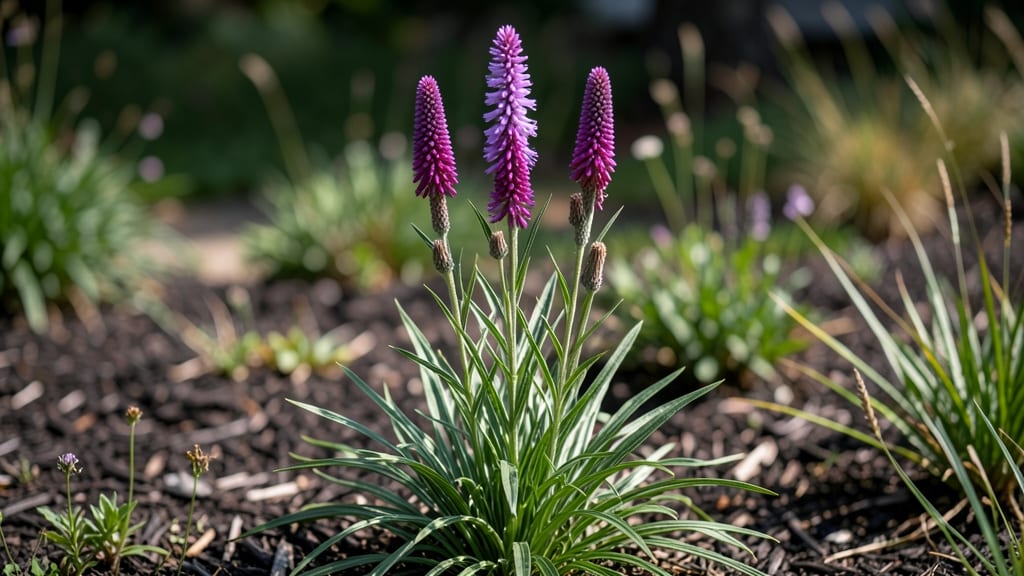
Liatris flowering time depends on your USDA zone and a few key growing conditions, but most gardeners see those signature purple spikes arrive between July and September — a showstopper for pollinators and late-summer color.
If you’ve ever planted liatris—also called gayfeather—only to wonder why your purple spikes aren’t blooming when expected, you’re not alone. Timing is everything with this drought-tolerant perennial, and knowing its flowering window by USDA zone can mean the difference between a stunning summer display and a missed opportunity.
In Zone 6a (like much of the Midwest), blooms typically kick off in mid-July, while southern regions may start as early as June. The secret? Full sun, well-draining soil, and patience—those corms need time to establish before they’ll reward you with 3- to 5-foot spikes of delicate florets.
Below, I’ll break down exactly when to expect blooms in your area, how to spot early signs (like bud formation), and simple tricks to extend the flowering season—so you can enjoy those 🌸 spikes for weeks longer.
Liatris flowering time by USDA Zone: exact months to expect blooms
Timing your liatris blooms starts with knowing your USDA zone. This drought-loving perennial thrives in full sun and typically flowers between late June and early September, but exact timing shifts dramatically depending on where you garden.
In cooler northern zones (3–5), expect blooms to arrive slightly later, while warmer southern zones (8–10) may see earlier spikes. Understanding these variations helps you plan companion plants and deadheading schedules for maximum impact.
Climate plays a bigger role than you might think. Hot, dry summers can push blooms earlier, while cool, wet springs may delay them. For example, Liatris spicata (blazing star) often blooms in mid-to-late July in Zone 6, but in Zone 9, it might start as early as June.
Meanwhile, Liatris pycnostachya (dense blazing star) tends to flower 2–3 weeks later across all zones. These shifts explain why your neighbor’s liatris might be in full bloom while yours is still budding.
Here’s a quick breakdown of what to expect by zone, including regional variations that can shift bloom windows by 1–2 weeks:
If you’re in Zones 3–4, your liatris blooms will likely arrive 2–3 weeks later than in Zones 9–10. This delay isn’t just about temperature—it’s also tied to daylight hours. Liatris is a long-day plant, meaning it responds to increasing light.
In northern zones, the longer summer days of July and August trigger blooming, while southern zones hit that threshold earlier. For example, Zone 4 gardeners might see their first buds in late June, but they won’t fully open until mid-July due to cooler soils.
Regional microclimates can also shift bloom times. Mountainous areas in Zone 6 may align with Zone 5 timing, while coastal zones in Zone 7 might bloom closer to Zone 8 schedules. Pay attention to your local last frost date and summer rainfall patterns.
A wet spring can delay blooms by 10–14 days, while a dry summer might push them earlier. In my Zone 6 garden, I’ve noticed Liatris spicata blooms 3 days earlier after a dry June, likely because the plant prioritizes flowering over foliage growth under stress.
For gardeners in Zones 9–10, the challenge isn’t just timing—it’s heat tolerance. Liatris can bolt (flower prematurely) in extreme heat, especially if planted in poorly draining soil.
To combat this, I’ve found that mulching with straw and watering deeply once a week (rather than daily) helps maintain steady growth. In Zone 10, I’ve seen June blooms fade by mid-July if not protected from afternoon sun.
A light shade cloth during peak heat can extend the season by 2–3 weeks.
Choosing the right liatris variety can also fine-tune your bloom schedule. Liatris spicata is the earliest to flower, often starting in late June in warmer zones, while Liatris pycnostachya and Liatris aspera tend to bloom 2–4 weeks later.
If you want a prolonged display, I recommend planting a mix of varieties. For example, in my Zone 7 garden, I pair Liatris spicata (June–July) with Liatris pycnostachya (July–August) to create a 6-week bloom window.
This strategy works especially well when combined with deadheading spent blooms to encourage new growth.
One common mistake is assuming all liatris blooms follow the same timeline. In reality,
Want your liatris (or gayfeather) to burst into purple spikes for weeks instead of days? The secret lies in a few simple yet powerful techniques. Unlike high-maintenance annuals, liatris thrives on minimal intervention, but strategic care can transform its 4-6 week bloom window into a 2-month spectacle. The key? Understanding its natural growth rhythms and working with—not against—them. First, let’s address the biggest misconception: liatris hates rich soil. Over-fertilizing triggers lush foliage at the expense of blooms. Instead, focus on well-draining, slightly alkaline soil (pH 6.0–7.0) and light feeding only in early spring. This sets the stage for strong root development, which directly impacts flowering longevity. Don’t overlook the power of companion planting. Liatris pairs beautifully with native perennials like rudbeckia (black-eyed Susan) and echinacea (coneflower). These plants share similar water and sunlight needs while creating a pollinator magnet that keeps your garden buzzing—and blooming—longer. Plus, their complementary heights (liatris towers at 3–5 feet while coneflowers stay 2–3 feet) add visual interest. For maximum impact, time your deadheading correctly. Start when 20–30% of lower buds have opened—this signals the plant to focus on new flower production. Use sharp pruners and cut just above a leaf node to encourage branching. Avoid shearing the entire spike; this can stress the plant and reduce future blooms. Finally, embrace seasonal adjustments. In hotter climates (USDA Zones 8–10), liatris may bloom earlier (as early as May) and fade by August. To extend the show, provide light afternoon shade in peak summer and mulch heavily to retain moisture. In cooler zones (USDA Zones 3–6), focus on spring feeding and fall mulching to protect roots during winter. With these pro tips, your liatris will reward you with vibrant purple spikes from late summer into early fall, turning heads—and filling your garden with life. Happy gardening! 🌸How to extend liatris flowering season: pro tips for longer blooms