
How To
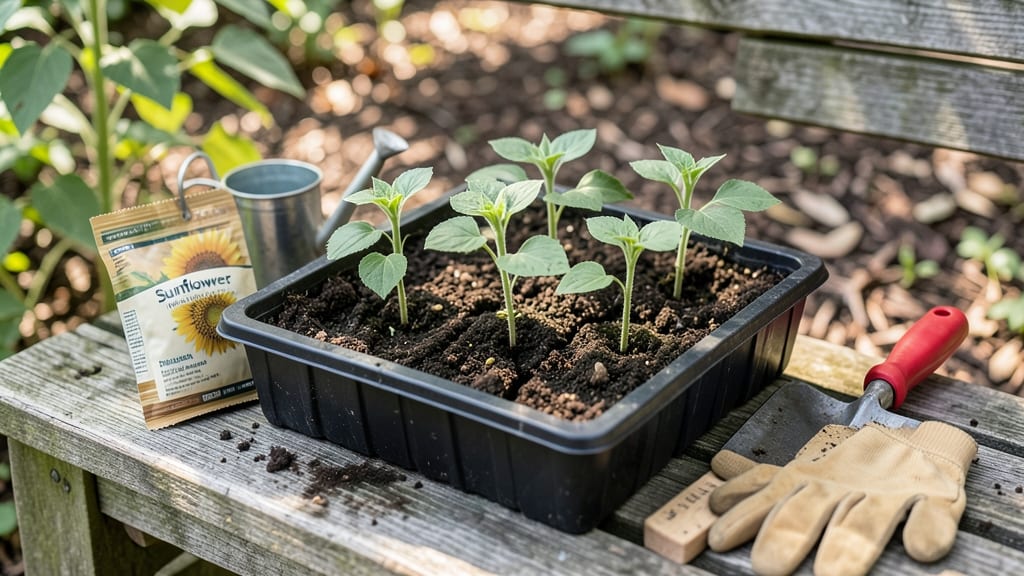
To sow sunflowers at the perfect time means choosing between spring’s last frost and summer’s scorching heat—two extremes that can stifle growth or scorch seeds before they sprout.
Sunflowers aren’t just beautiful—they’re hardy, fast-growing, and perfect for adding height and cheer to any garden. But timing your planting wrong can mean stunted growth or no blooms at all.
In Zone 6a, like much of the U.S., the ideal window is April to May, when soil warms to at least 50°F and the threat of frost has passed. But if you’re in a warmer climate, summer sowing works too—just pick heat-tolerant varieties.
Below, I’ll break down the exact months by zone, how to adjust for late starts, and the fastest-growing varieties to ensure towering, vibrant blooms from seed to sun.
Best sunflower planting months by USDA hardiness zone (with exact dates)
Sunflowers thrive when planted at the right time—too early and frost zaps tender seedlings, too late and your blooms may never appear. The key lies in your USDA hardiness zone, which dictates everything from soil warmth to frost risk.
For direct sowing (the easiest method), aim for when soil temperatures hit 50°F or warmer—this ensures fast germination and strong roots before summer heat arrives.
Most gardeners plant sunflowers in spring, but late-summer sowings work in warm zones. Early varieties (like 'Teddy Bear') tolerate cooler soils, while giant varieties (like 'Russian Giant') need warmer conditions.
Below, I’ve broken down the exact planting windows for zones 3 through 11, including frost-sensitive periods and ideal soil temps for peak performance.
In Zones 3-4, where winters are harsh, wait until after your last frost date (typically mid-May) before planting. Use row covers if nighttime temps dip below 40°F—sunflowers won’t tolerate frost.
For Zones 5-6, late April is ideal, but if you’re in a cooler microclimate, stick to early May. Here, soil warmth is critical: germination slows below 50°F, leading to weak seedlings.
Gardeners in Zones 7
How to adjust sunflower sowing for late starters (and still get blooms)
Missed the ideal sunflower planting window? Don’t worry—sunflowers are incredibly forgiving! In Zones 8-11, where frost is rare or nonexistent, you can still grow towering sunflowers by adjusting your approach.
Even in cooler zones, late starters can thrive with the right variety selection and succession planting techniques. Let’s explore how to turn late sowing into a blooming success.
First, understand that sunflowers are fast growers—some varieties mature in as few as 60 days. This means you can still plant them well into summer or even early fall in warm climates.
The key is choosing the right fast-maturing varieties and providing optimal conditions to compensate for a delayed start. Let’s break down your options.
⚠️ numbered-highlights
For those in Zones 8-11, late summer planting (July-August) is still viable if you choose heat-tolerant varieties like 'Autumn Beauty' or 'ProCut'. These varieties thrive in warmer temperatures and can produce blooms even when planted in late July.
Just ensure your soil stays consistently moist during germination—sunflower seeds need 50-60°F soil temperatures to sprout.
Container growing is another game-changer for late starters. Sunflowers adapt well to pots, giving you the flexibility to relocate them if temperatures spike. Use a 5-gallon container with drainage holes and plant one seed per pot to avoid competition.
Place them in a sunny spot, and watch them grow 3-4 inches per week under ideal conditions. This method also works well for balcony gardens or small spaces.
Don’t overlook the power of succession planting. By sowing new seeds every 2-3 weeks from late spring through early fall, you’ll enjoy a continuous display of blooms. This technique is especially useful in Zones 9-11, where frost is rare.
For example, plant one batch in May, another in June, and a final one in July—you’ll have sunflowers blooming until October!
Finally, remember that sunflowers are drought-tolerant once established, but they still need consistent moisture during their first few weeks. Water deeply in the morning to encourage strong root development. Avoid overhead watering, especially in humid climates, to prevent powdery mildew.
With these adjustments, even late starters can produce stunning, sun-drenched blooms that brighten your garden all season long.