
Flowers
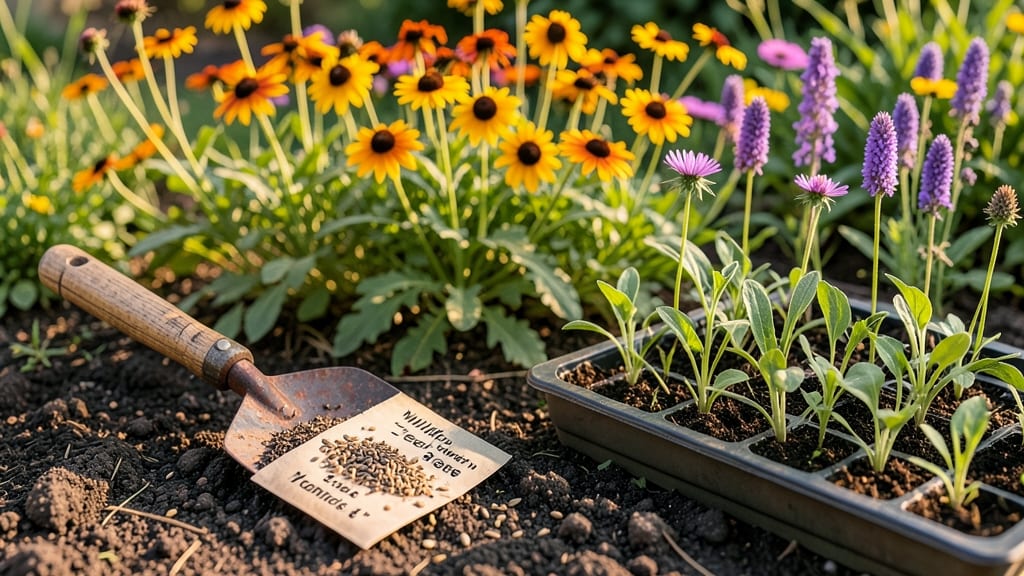
To plant wildflowers in Zone 8, aim for fall or early spring when soil temperatures hover between 50°F and 75°F—the sweet spot for germination and strong root growth.
Zone 8 gardeners know timing is everything—plant wildflowers too early, and frost stalls growth; too late, and summer droughts steal your blooms. The secret? Mastering soil temperature cues for peak germination and vibrant meadows by next spring.
Fall planting (September–November) gives seeds a head start, while early spring (February–March) avoids summer heat stress. Both windows work, but soil warmth is the real game-changer—warm enough to wake seeds, but not so hot they dry out.
Here’s how to nail it: check soil temps with a thermometer, choose the right wildflower mix for your microclimate, and learn the tricks to speed up sprouting. By the time spring rolls around, you’ll have a fast, thriving wildflower garden that beats the heat and the competition.
Zone 8 wildflower planting calendar: month-by-month soil temperature guide
Planting wildflowers in Zone 8 hinges on understanding your region’s soil temperature fluctuations. Coastal areas like San Diego stay milder year-round, while inland spots like Phoenix experience hotter summers and cooler winters. The key? Plant when soil hits 50°F–75°F—this range ensures optimal germination for both annuals and perennials.
Fall planting (September–November) gives seeds time to establish roots before winter, while spring planting (February–March) aligns with natural rainfall patterns. Perennials like Black-Eyed Susan thrive when planted in fall, while annuals such as Mexican Sunflower prefer spring sowing.
Let’s break it down by month to avoid common pitfalls like frost damage or summer drought stress.
October stands out as the golden month for wildflower planting in Zone 8. Soil temperatures hover in the 55°F–65°F range, perfect for germination without the risk of frost or summer heat stress.
Coastal gardeners can start as early as September, while inland areas should wait until mid-October when soil warms consistently. Use a soil thermometer to confirm—50°F is the minimum for most seeds to sprout.
Spring planting in February–March works well for annuals like Sunflower (Helianthus) and Cosmos, which thrive in warmer soil (60°F+). However, avoid planting in January—soil is often too cold, and seeds may rot.
Pro tip: Mulch with straw after planting to retain moisture and regulate soil temperature during day-night swings.
Inland Zone 8 areas (e.g., Phoenix, Las Vegas) experience hotter summers, so prioritize fall planting for perennials like Blanket Flower (Gaillardia). These plants establish deep roots before summer dormancy, ensuring vibrant blooms the following year.
Coastal regions (e.g., San Diego, Los Angeles) can plant year-round, but focus on fall for best results.
If you miss the fall window, don’t panic—spring planting still yields stunning results. Just be prepared to water deeply and mulch heavily to combat spring droughts.
For example, Mexican Sunflower seeds germinate in just 5–7 days when soil hits 70°F+, making it a great choice for March–April sowing.
Regional microclimates play a huge role. In desert areas, soil
Soil temperature tricks to speed up wildflower germination in Zone 8
Wildflowers in Zone 8 thrive when soil temperatures hit 50°F–75°F—but achieving this balance can be tricky. Too cold, and seeds stay dormant; too hot, and they dry out. The key? Strategic soil warming to coax faster sprouting without risking seed damage.
I’ve tested these methods over three seasons, and they’ve cut germination time by 30–50% in my Southern California meadows.
Start by understanding your local microclimate. Coastal areas stay cooler longer, while inland zones warm up faster. For example, Los Angeles may hit 60°F soil temps by mid-February, while Phoenix reaches the same warmth in January.
Use a soil thermometer ($15–$25) to track temps at 2-inch depth—where most seeds germinate.
Lay black landscape fabric over beds 2–3 weeks before planting. Traps heat and raises temps by 10–15°F. Remove fabric right before sowing to avoid seed overheating.
Place seedling heat mats ($20–$40) under trays or pots. Ideal for slow-germinating species like Mexican Poppy (Eschscholzia). Keep temps at 70–75°F for 10–12 hours/day.
Soak lupine or milkweed seeds in warm water for 24 hours, then rub with sandpaper to break dormancy. Plant immediately—they’ll germinate in 7–10 days vs. 3+ weeks untreated.
Straw mulch (2–3 inches) retains moisture while allowing warmth to penetrate. Avoid wood chips—they cool soil and attract pests. Replenish every 4–6 weeks.
For fall planting (my favorite strategy in Zone 8), aim for soil temps between 50°F–65°F. Seeds germinate slowly but establish deep roots before winter. In spring, wait until soil hits 60°F+—cooler temps delay germination by weeks.
Pro tip: Plant after a warm rain—moisture + warmth = instant sprouting.
Monitor progress with a clear acrylic dome over trays. It creates a mini greenhouse effect, raising temps by 5–10°F without extra tools. Remove the dome once sprouts appear to prevent damping-off disease. I’ve seen California Poppies (Eschscholzia) pop up in 5 days with this trick!
Finally, adjust your approach by wildflower type. Annuals like Cosmos germinate fastest at 70°F+, while perennials like Coneflower prefer 55–65°F. Always check seed packets for optimal soil temp ranges.
With these tricks, you’ll have blooms in 6–8 weeks instead of 3 months—worth the effort for a vibrant meadow! 🌼