
Companion Plants
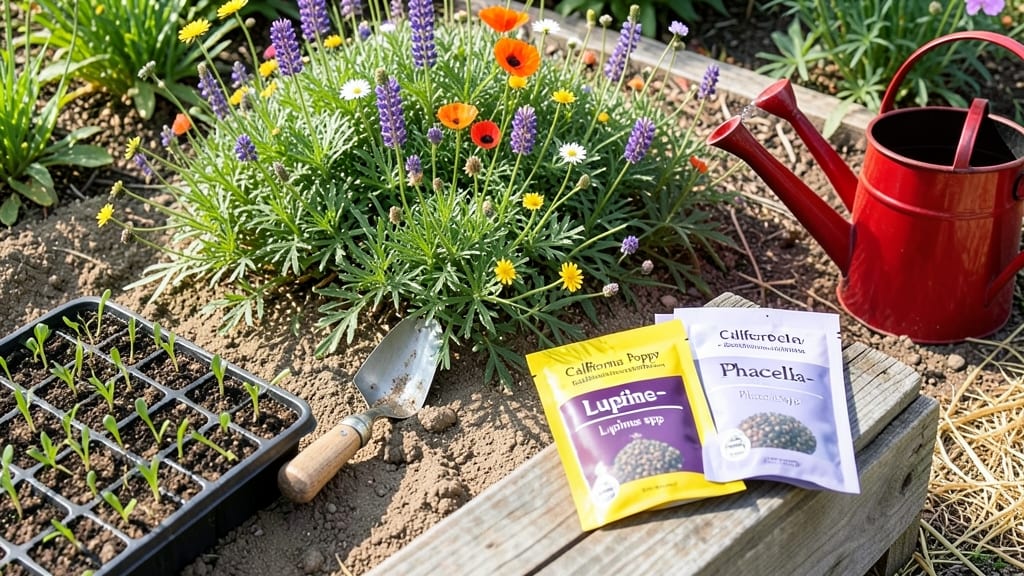
Plant wildflower seeds in Southern California between October and April to unlock year-round blooms 🌼—a window that aligns with the region’s mild winters and spring rains.
Miss this timing, and you’ll end up with patchy meadows or flowers that fade before summer’s heat sets in. The key? Planting when the soil stays cool and moisture lingers—ideally before the 300+ frost-free days kick in for good.
Whether you’re in coastal Santa Barbara or inland Palm Springs, the right months make all the difference. Below, I’ll break down the best planting schedule by microclimate, soil prep tricks, and how to keep those wildflowers thriving through Southern California’s dry summers.
You’ll also discover the top native species for your zone, watering hacks to avoid overdoing it, and why a light fall feed sets up blooms for next spring.
Best months to plant wildflower seeds in Southern California by season
Southern California’s Mediterranean climate offers two prime windows for planting wildflower seeds—fall and early spring—when temperatures are mild and rainfall is reliable. But timing varies dramatically between coastal regions (like Malibu) and inland valleys (like the Antelope Valley).
Coastal areas can plant slightly later due to cooler, foggy summers, while inland zones must avoid the intense June Gloom and heat spikes.
Native wildflowers like California poppies and lupines thrive when sown in cool, moist soil, which is why fall planting (October–December) yields the most vibrant displays. However, summer-blooming species (such as cosmos and blanket flowers) can be direct-sown in late winter (February–March) for a splash of color by June.
Let’s break down the best months for each microclimate.
Comparison Table: Wildflower Planting by Season in Southern California
Fall planting (October–December) is the gold standard for wildflowers in Southern California. During these months, cooler temperatures and occasional rains create ideal conditions for seeds to germinate without competing with weeds.
For coastal gardens, you can extend planting into early January, thanks to the moderating influence of the Pacific Ocean. In contrast, inland valleys should finish sowing by late November to avoid potential December frosts in higher elevations.
If you miss the fall window, don’t despair—early spring planting (February–March) still yields stunning results. This timing is perfect for summer-blooming wildflowers like cosmos and blanket flowers, which thrive in the long, hot days of June and July.
However, avoid planting after April in inland areas, as the intense heat can cause seeds to dry out before germination. Coastal regions can push planting into May, but choose drought-resistant species like lupines or yarrow.
Summer planting is not recommended for most wildflower seeds, but there are exceptions. If you’re sowing native desert species (such as desert marigold or goldenrod) in shaded or irrigated areas, you can try scattering seeds in late summer (August–September).
These species have adapted to hot, dry conditions and may germinate with consistent moisture. However, expect slower growth and fewer blooms compared to fall-planted seeds.
One pro tip for Southern California gardeners: Succession planting can extend your wildflower season. Sow a small batch of seeds every 4–6 weeks from October through March. This staggered approach ensures a continuous bloom cycle, from spring poppies in March to summer cosmos in July.
Just be sure to label your rows so you can track which seeds were planted when!
Finally, always prepare your soil before planting. Wildflower seeds are tiny and need good soil contact to germinate. Lightly rake the area, remove debris, and consider mixing in a light layer of compost to improve drainage. Avoid heavy mulch
How to choose wildflower seed mixes for Southern California’s climate zones
Southern California’s diverse climate zones—from coastal fog belts to arid deserts—mean your wildflower seed choice can make or break your meadow’s success. Pre-mixed seed blends offer convenience, but native species blends thrive better in local conditions, requiring less water and maintenance.
For example, California poppies and lupines dominate inland areas, while coastal sunflowers and larkspurs flourish near the ocean. Always check the seed packet for USDA Zone 9b-11 compatibility to avoid disappointment.
Drought-resistant varieties are a must for Southern California gardens. Look for seed mixes labeled "drought-tolerant" or "low-water", which often include California native wildflowers like buckwheat or goldenrod. These plants store water efficiently in their deep roots, making them perfect for water-wise landscapes.
Avoid blends with heavy feeders like cosmos or zinnia unless you’re committed to regular irrigation.
Here’s how to match your seed mix to your region:
| Climate Zone | Best Seed Mixes | Key Features | Water Needs |
|---|---|---|---|
| Coastal (e.g., Malibu, Santa Barbara) | Coastal Wildflower Mix, Larkspur, Checker Mallow | Tolerates morning fog, partial shade | Moderate (1-2x/week) |
| Inland Valleys (e.g., San Fernando, Antelope Valley) | Desert Wildflower Mix, California Poppy, Blue-eyed Grass | Full sun, heat-tolerant | Low (1x/every 2 weeks) |
| Mountain Foothills (e.g., San Gabriel, Santa Monica) | Native Pollinator Mix, Yarrow, Purple Sage | Adapts to cooler nights | Moderate (1x/week) |
Always read seed packet labels for bloom times and seed germination rates. A mix with a 60-90 day bloom window (like cosmos) will give you summer color, while lupines (90-120 days) bloom later in the season.
For year-round interest, combine spring bloomers (e.g., bluebonnets) with fall varieties (e.g., aster). Pro tip: Add a 10% native grass seed to your mix to improve soil stability and reduce erosion.
If you’re unsure about your microclimate, test your soil’s drainage and pH before planting. Most Southern California wildflowers prefer well-draining soil with a neutral to slightly alkaline pH (6.0-7.5). Amend heavy clay soils with compost or sand to prevent waterlogging, which can drown seeds.
For rocky or sandy areas, use a light mulch (like straw) to retain moisture without suffocating sprouts.
For maximum impact, plant native wildflower blends in fall (October-November) to take advantage of winter rains and cooler temperatures. This timing ensures seeds germinate before summer heat arrives. If you’re planting in spring (March-April), focus on drought-resistant varieties and water deeply every 7-10 days until established.
Avoid summer planting—seeds will struggle in the heat and dry conditions.
My favorite Southern California-friendly mixes include American Meadows’ "California Native Wildflower Mix" and Wildflower Farm’s "Desert Sun Mix". Both are packed with local species that require minimal care once established.
For a pollinator-friendly garden, prioritize mixes with lupines, milkweed, and goldenrod—these attract bees, butterflies, and hummingbirds all season long. 🌼