
Flowers
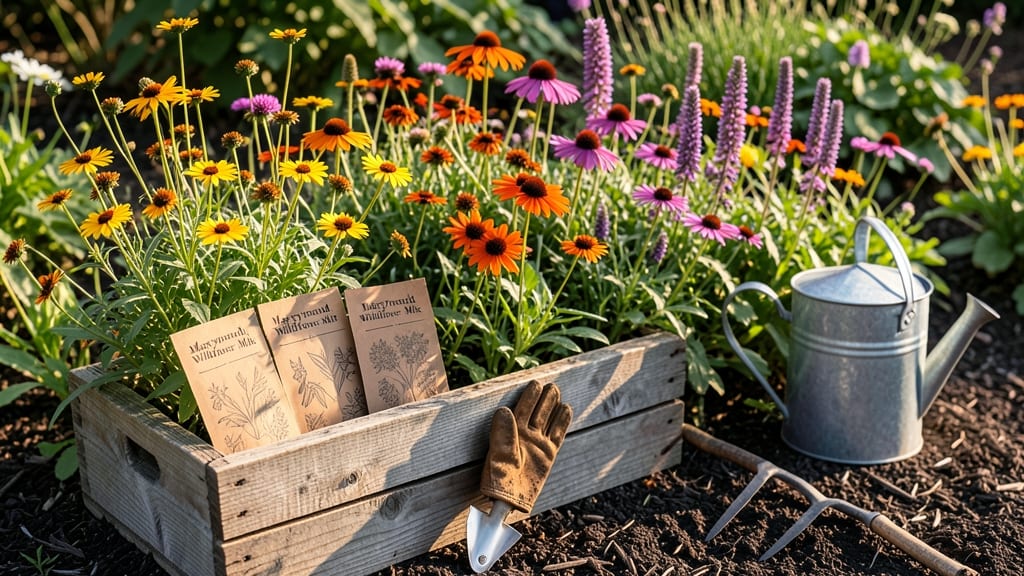
Plant wildflowers in Maryland between early March and mid-April for spring blooms, or late September to early October for fall planting — timing that avoids frost and ensures vibrant meadows.
Got 5 minutes to spare? That’s all it takes to check your local frost dates and adjust your schedule — because planting too early risks frost damage, while waiting too long means missing peak blooms.
Maryland’s 6b-7b zones give you two ideal windows: spring for annuals and early fall for perennials. I’ll break down the exact dates by zone, plus soil prep tricks to give your wildflowers 🌼 the best start.
Discover how to fine-tune your schedule for urban heat islands, coastal areas, and Piedmont regions — plus which native species thrive when planted in spring vs. fall.
Maryland wildflower planting calendar by USDA hardiness zones (5b-7b)
Maryland’s USDA zones 5b-7b create unique planting windows for wildflowers, where timing determines whether your meadow blooms or fades. In zone 5b, colder winters mean earlier spring planting, while zone 7b offers a longer fall window.
The key? Plant when soil temps hit 40°F+—this ensures seeds germinate before frost strikes again.
For annual wildflowers like black-eyed Susans and cosmos, aim for March-April planting. Perennials such as coneflowers and milkweed, however, prefer September-October sowing. This fall timing lets seeds establish roots before winter, giving them a head start in spring.
Maryland’s last frost dates vary by zone—expect mid-April in 5b but early April in 7b.
Pro Tip: Adjust seed packet timing by 2-3 weeks if your microclimate runs colder (e.g., western Maryland’s mountains) or warmer (e.g., Baltimore’s urban heat). Check the National Weather Service’s frost predictions for your county each year—it’s the best way to fine-tune your schedule.
| Zone | Last Frost Date | Spring Planting Window | Fall Planting Window | Soil Temp Trigger |
|---|---|---|---|---|
| 5b | Mid-April | March 15–April 15 | September 15–October 15 | 40°F+ |
| 6a | Early April | March 1–April 10 | September 1–October 10 | 45°F+ |
| 6b | Late March | February 28–April 5 | August 20–September 20 | 50°F+ |
| 7a | Early April | March 1–April 15 | September 1–October 15 | 50°F+ |
| 7b | Mid-March | February 15–March 30 | August 15–October 5 | 55°F+ |
In zone 5b, where winters are harsher, focus on fall planting for perennials like purple coneflower and butterfly weed. These plants need time to develop deep roots before Maryland’s first frost in mid-November.
For annuals, spring planting in late March ensures they bloom before summer’s heat peaks.
Maryland’s coastal zones (7a-7b) have milder winters, so you can plant annuals like zinnias as early as February if soil temps stay above 50°F. However, avoid planting too soon—seeds may rot in cold, wet soil. Use a soil thermometer ($10 at garden centers) to check temps before sowing.
Adjust your schedule if you’re in western Maryland’s mountains, where frost lingers longer. Plant 2-3 weeks later than the zone average, and consider row covers for early spring sowings.
In Baltimore or DC suburbs, urban heat can push planting 1-2 weeks earlier—watch for soil warming signs like sprouting dandelions.
For direct seeding, scatter wildflower seeds lightly (1/4 inch deep) after loosening soil. In zone 6b-7b, fall-planted seeds benefit from natural stratification over winter, breaking dormancy earlier. Water gently after planting to avoid washing seeds away—mist, don’t drench.
After planting, monitor for voles or birds that may dig up seeds. Use wire mesh cages or deer netting temporarily if needed. Once established
Best wildflower species for Maryland’s spring vs. fall planting
Maryland’s diverse wildflower species thrive when planted at the right time, but timing depends on whether you’re sowing annuals or perennials.
Spring planting (March-April) works best for fast-blooming annuals like cosmos and zinnia, while fall planting (September-October) gives perennials like coneflowers and black-eyed Susans time to establish roots before winter. Let’s break down the best species for each season and their care needs.
For spring planting, focus on annual wildflowers that tolerate cooler soil temperatures.
These include Mexican sunflower (Tithonia rotundifolia) and blanket flower (Gaillardia), both of which bloom quickly and attract pollinators. Soil prep is critical—loosen the top 6 inches of soil and mix in compost to improve drainage, as these species prefer well-draining conditions.
Spring Planting vs. Fall Planting for Maryland Wildflowers
Spring Planting (March-April)
- Pros: Faster blooms, ideal for annuals
- Cons: Risk of late frost damage
Best for: Cosmos, Zinnia, Mexican Sunflower
Fall Planting (September-October)
- Pros: Strong root growth, fewer weeds
- Cons: Slower first-year blooms
Best for: Coneflower, Black-Eyed Susan, Milkweed
When planting perennials in fall, prioritize native species like purple coneflower (Echinacea) and butterfly weed (Asclepias tuberosa).
These plants benefit from cooler fall temperatures, which encourage root development before winter dormancy. Milkweed, for example, needs well-draining soil and full sun—avoid planting in low-lying areas where water pools.
For moisture management, most Maryland wildflowers prefer moderate watering once established. After planting, water deeply 2-3 times per week until seeds germinate (typically 7-14 days for spring, 10-21 days for fall).
Once seedlings emerge, reduce to weekly watering unless experiencing drought. Mulch lightly with straw to retain moisture and suppress weeds.
Pro tip: Stratify seeds for fall planting by mixing them with moist sand and refrigerating for 2-4 weeks before sowing. This mimics winter conditions and improves germination rates for species like wild bergamot (Monarda fistulosa). Always check seed packet instructions for specific cold treatment requirements.
Finally, avoid over-fertilizing—wildflowers thrive in low-nutrient conditions. A light application of composted manure in early spring is sufficient for most species. Native wildflowers are particularly resilient and often require no additional fertilizer once established. Let them naturalize for a low-maintenance, pollinator-friendly meadow! 🌼