
Blooming
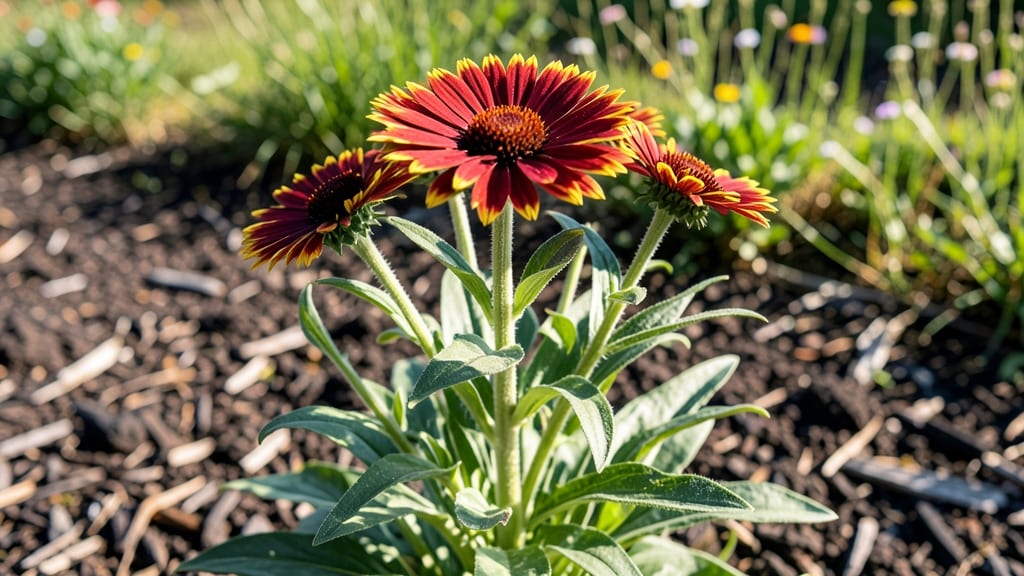
Blanket flower blooms from late spring through fall 🌼, with peak color lasting 3-4 months if you play your cards right.
If you’ve planted blanket flower (Gaillardia) hoping for vibrant summer color but are still waiting for blooms, timing is everything—and climate plays a bigger role than you might think.
In most regions, including USDA Zone 6a, you’ll see the first flowers in June, with the show continuing into September or October if you deadhead regularly and keep the soil well-drained. But cooler zones or late springs can push blooms back by a full month.
Below, I’ll break down the exact months for your variety, how to adjust for your climate, and the simple tricks to make your blanket flower bloom longer and brighter—no green thumb required.
Blanket flower bloom times by variety: monthly breakdown for peak color
Blanket flower (Gaillardia) is a sun-loving perennial that rewards gardeners with bold, daisy-like blooms in fiery reds, yellows, and oranges. But knowing when blanket flower blooms depends on your variety and climate zone.
Some varieties burst into color as early as late spring, while others wait until mid-summer or even early fall. Let’s break down the bloom windows for popular types so you can plan your garden for maximum impact.
Most blanket flowers follow a summer-to-fall blooming pattern, but timing shifts based on your USDA zone. For example, in Zone 3, blooms may start in June, while in Zone 10, they could begin as early as March.
Understanding these differences helps you choose the right varieties for year-round color or staggered blooms. Below, we’ll explore the monthly breakdown for three key types: Gaillardia pulchella, G. aristata, and G. x grandiflora.
| Variety | Bloom Months (Zones 3-7) | Bloom Months (Zones 8-11) | Peak Bloom | Notes |
|---|---|---|---|---|
| Gaillardia pulchella | June–October | April–November | July–August | Early bloomer, drought-tolerant |
| Gaillardia aristata | July–September | May–October | August | Larger blooms, heat-loving |
| Gaillardia x grandiflora | June–October | March–November | July–September | Hybrid vigor, long bloom season |
🌿 Tip: In warmer zones, some varieties may rebloom in fall if deadheaded.
If you’re in a cooler zone (3-5), focus on varieties like Gaillardia pulchella for early blooms. These start as early as June and can continue through October, giving you a long season of color.
In warmer zones (8-11), you can enjoy blooms from March to November, with peak color in summer. For example, Gaillardia aristata thrives in heat and often blooms later into the season.
For gardeners in transition zones (6-7), mixing varieties ensures continuous blooms. Plant Gaillardia x grandiflora for a robust display from June to October, then add Gaillardia pulchella for early and late-season color.
This strategy creates a staggered bloom effect, keeping your garden vibrant all summer long. Just be sure to provide full sun and well-draining soil to encourage healthy growth.
One common misconception is that blanket flowers bloom only once per season. In reality, with proper deadheading and care, many varieties will rebloom throughout the growing season. For instance, Gaillardia x grandiflora often produces a second flush of blooms in late summer if spent flowers are removed regularly.
This makes them ideal for cut flower gardens or long-lasting bouquets.
Regional adjustments are key. In Zone 10, where winters are mild, blanket flowers may bloom year-round with minimal care. Meanwhile, in Zone 3, a late spring planting (after the last frost) ensures blooms by mid-summer.
Always check your last frost date and adjust planting times accordingly. For example, in Zone 5, sow seeds indoors in March for early blooms, or direct-sow in May for a late-season display.
For container gardening, choose compact varieties like Gaillardia pulchella, which thrive in pots and bloom from June to October. In containers, they’re especially responsive to regular deadheading, which can extend blooms by 4-6 weeks.
Pair them with lavender or salvia for a striking Mediterranean theme. Just ensure pots have drainage holes to prevent root rot, a common issue in heavy clay soils.
If your blanket flowers aren’t blooming on schedule, check these three factors: light exposure, soil fertility, and watering
How climate zones and planting time affect blanket flower blooming
Understanding your USDA climate zone is the first step to predicting when your blanket flower will bloom. These hardy perennials thrive in zones 3-11, but their bloom windows shift dramatically depending on whether you're in a cool northern zone or a hot southern desert.
In my Zone 6a garden, I see first blooms in early June, while friends in Zone 9 report flowers by late April.
The key factor is frost dates. Blanket flowers need 60°F soil temperatures to germinate and consistent warmth to trigger blooming. In colder zones, wait until after your last frost date (typically mid-April in Zone 6) before planting.
In warmer zones, you can plant as early as February—just be prepared for slower growth if nighttime temps dip below 50°F.
Planting time also matters: Spring planting (March-April) gives you summer blooms, while fall planting (August-September) can produce next year's flowers. I always plant mine in late April to avoid early frost damage while maximizing bloom time.
Your blanket flower might be skipping blooms due to these common timing mistakes:
- Planting too early in cold zones can stunt growth (soil temps < 50°F)
- Overcrowded plants compete for nutrients, delaying flowers
- Excessive nitrogen (from lawn clippings) promotes leaves over blooms
- Late summer planting may not bloom until next year
Pro Tip: Test your soil—blanket flowers need slightly alkaline conditions (pH 6.0-7.5) to trigger blooming.
For zone-specific adjustments, add 2-4 weeks to bloom times in cooler zones. My Zone 6 plants bloom in June-September, while Zone 8 gardens often see flowers from May-October.
In Zone 10+, expect nearly year-round blooms with proper care. The secret? Deadhead spent blooms every 2-3 weeks to encourage continuous flowering.
If your blanket flowers are blooming late or sparsely, check these three factors first:
- Sunlight: They need 6+ hours of direct sun daily
- Soil drainage: Waterlogged roots = fewer flowers
- Fertilizer balance: Use low-nitrogen (5-10-10) fertilizer in spring
Remember that fall-planted blanket flowers often bloom earlier the following year because they establish roots during mild autumn weather. For maximum impact, I plant half in spring and half in fall—this gives me continuous color from June through October in my Zone 6 garden.
With the right timing and zone awareness, your blanket flowers will reward you with bold, long-lasting blooms that outshine many summer annuals. The key is patience—especially in cooler climates where the plants need time to acclimate before flowering.