
Plants
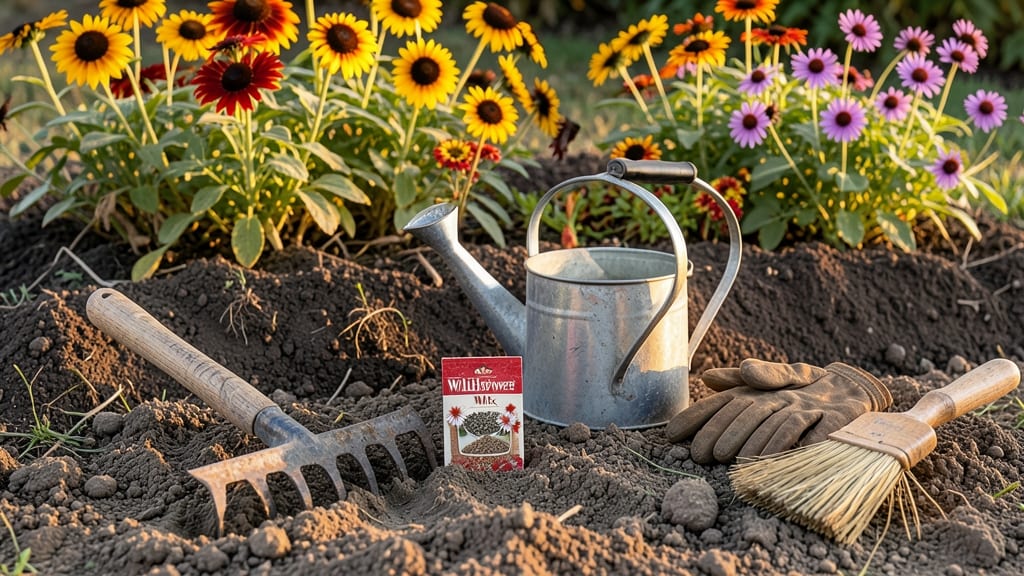
Planting wildflower seeds in Oklahoma at the right time means the difference between a burst of color and a season of disappointment.
Oklahoma’s unpredictable weather can make wildflower gardening a gamble—but timing your plantings right ensures vibrant blooms year after year. Whether you’re in the humid east or the arid panhandle, the best months depend on soil moisture and frost patterns.
Most gardeners swear by late winter to early spring (February–April) or late summer to early fall (August–October) for maximum germination. But here’s the catch: eastern Oklahoma’s clay soils hold moisture longer, while western regions need seeds in the ground before summer’s drought sets in.
Below, I break down the exact planting windows by zone, soil type, and rainfall—plus how to outsmart weeds and drought for a pollinator paradise.
Best planting months for Oklahoma wildflowers by climate zone
Oklahoma’s diverse climate zones create unique challenges—and opportunities—for wildflower gardeners. The state spans from humid eastern forests to dry western prairie, with a transitional zone where both climates meet. Each region demands a different planting strategy to ensure your wildflowers thrive, especially when leveraging natural rainfall patterns for germination.
I’ve planted wildflowers across all three zones and learned the hard way that timing is everything. In eastern Oklahoma, heavy spring rains can wash out seeds if planted too early, while western Oklahoma’s summer heat requires fall planting to avoid seed desiccation.
The central transitional zone offers a middle ground but still needs careful planning to balance moisture and temperature.
Here’s how to align your planting schedule with Oklahoma’s climate zones, including the best months for spring vs. fall sowing and how to use rainfall to your advantage:
For eastern Oklahoma’s humid climate, I recommend planting in late March to mid-April when soil temperatures reach 60°F and spring rains begin. This timing lets seeds germinate before the intense summer heat arrives.
In fall, aim for September to mid-October to take advantage of autumn rains while avoiding early frosts.
In central Oklahoma’s transitional zone, you have more flexibility. Start seeds in late February if you’re using a greenhouse, or wait until March 15 for direct sowing. Fall planting works well from mid-August to late September, giving seeds time to establish roots before winter.
I’ve found that staggering plantings by two weeks creates a longer bloom season.
The western Oklahoma arid zone demands a different approach. Here, spring planting should wait until April 1 or later to avoid drying out seeds. Fall planting from August to mid-September aligns with the region’s summer monsoon rains, which provide crucial moisture for germination.
Always mulch heavily to protect seeds from wind and retain precious moisture.
Pro tip: Check your local NOAA climate data for average rainfall patterns in your specific county. For example, Tulsa’s eastern zone gets 40% more rainfall than Amarillo’s western plains—adjust your watering schedule accordingly. Even if you’re not irrigating, understanding these patterns helps you time plantings for natural watering.
Remember that seed viability drops after two years, so always use fresh seeds. Store them in a cool, dry place if you need to save them for next season.
And if you’re planting in high-traffic areas, consider using native wildflower mixes that attract pollinators—like black-eyed Susans or purple coneflowers—which will reward you with low-maintenance beauty for years.
🌼
How Oklahoma’s soil and rainfall affect wildflower germination timing
Oklahoma’s clay-heavy eastern soils and sandy western regions create dramatically different conditions for wildflower germination. The moisture retention in eastern Oklahoma can lead to seed rot if planted too early, while drought-prone western areas risk seed desiccation before sprouting.
Understanding these soil-rainfall dynamics is key to avoiding common pitfalls like seed washout or failed germination.
In eastern Oklahoma, where heavy clay soils dominate, seeds often need lightly amended beds to prevent waterlogging. The flash flood warnings common in spring mean timing your planting just right—after heavy rains subside but before summer droughts set in—can mean the difference between a thriving meadow and wasted seeds.
Meanwhile, western Oklahoma’s sandy soils drain too quickly, requiring pre-sprouting moisture or mulching techniques to keep seeds hydrated.
Eastern OK: Avoid planting before March 15—clay soils stay waterlogged until then, causing seed rot. Western OK: Never sow after May 15 without deep irrigation—sandy soils dry out fast, leaving seeds bare and dead. Check NOAA flash flood alerts before planting in eastern regions to prevent seed washout.
For clay-heavy eastern soils, focus on fall planting (September-October) when rainfall is reliable but temperatures are cooling. This gives seeds time to establish roots before spring floods arrive. In contrast, sandy western soils benefit from spring planting (March-April), when snowmelt provides natural irrigation.
Adjust your schedule based on local rainfall forecasts—a dry February might delay planting, while excessive April rains could wash out seeds if not protected.
One proven strategy for eastern Oklahoma is to plant in raised beds filled with 50% native soil and 50% compost. This improves drainage while retaining enough moisture for germination. In western Oklahoma, use mulch blankets or hydro-mulch to lock in spring moisture until seeds sprout.
Both regions should avoid planting during extreme weather—whether it’s tornado season (April-June) or summer heatwaves (July-August).
Monitor soil moisture levels with a simple finger test: if the top 1 inch feels dry, your seeds are at risk. Western gardeners should aim for consistent morning watering until germination, while eastern gardeners may need to skip watering entirely if rainfall exceeds 2 inches per week.
Pay attention to local microclimates—a hilltop dries out faster than a valley, and urban heat islands can create drought conditions even in rainy seasons.
Finally, native wildflowers like black-eyed Susans and Indian paintbrush have adapted to Oklahoma’s extremes. These species often self-seed naturally, so stagger your plantings in 3-week intervals to ensure continuous blooms.
By aligning your planting schedule with soil moisture patterns, you’ll minimize risks and maximize the vibrant, pollinator-friendly meadow you’ve dreamed of. 🌱🌧️🌻