
Flowers
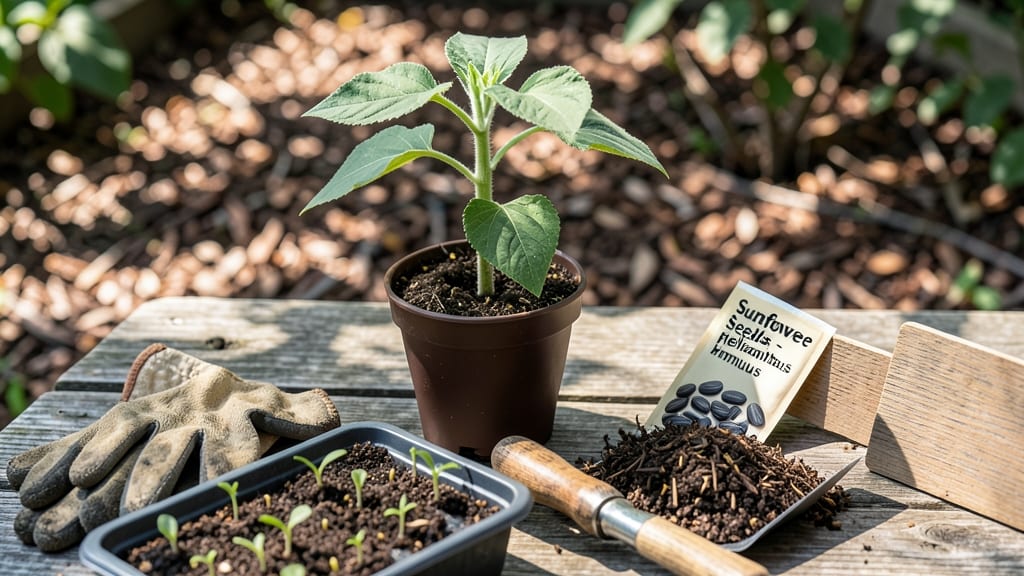
Planting sunflowers in Washington State after the last frost ensures fast germination and towering blooms by summer—typically between mid-April and early July, depending on your region.
Sunflowers thrive in Washington State’s diverse climates—but planting them too early or late can mean wilted dreams before they even bloom. Timing is everything, and knowing the exact windows for your region ensures fast germination and vibrant sunflowers by summer.
Whether you’re in Seattle’s cooler coastal zone (7b-8a) or Yakima’s warmer inland area (6b-9a), the key is starting seeds indoors 4-6 weeks before the last frost or direct-sowing once soil temperatures hit 60°F+. Miss this window, and you risk stunted growth or frost damage before harvest.
Below, I break down the optimal planting deadlines by region, the best sunflower varieties for Washington’s short vs. long seasons, and pro tips to beat rainy springs for reliable sprouts.
Washington State sunflower planting zones: when to start seeds indoors vs. direct sowing
Washington State’s diverse microclimates create unique challenges for sunflower growers. From coastal Seattle’s damp springs to Yakima’s dry summers, knowing your USDA zone and last frost dates determines whether you’ll get towering blooms or sad, stunted plants.
Most of WA falls in USDA zones 7b-8a, but timing varies dramatically between regions.
Sunflowers are warm-season annuals that love heat, so planting too early risks rot from cold soil, while waiting too late cuts bloom time short. The key is balancing seed-starting indoors for a head start with direct sowing once soil warms to 60°F+.
Let’s break down your options by region to maximize those sunflower smiles by summer.
| Region | USDA Zone | Last Frost Date | Start Indoors | Direct Sow After | Soil Temp Threshold |
|---|---|---|---|---|---|
| Seattle/Puget Sound | 7b-8a | May 1-15 | Mid-March | Mid-May | 60°F+ |
| Spokane/Eastern WA | 6b-7a | April 20-May 5 | Late February | Late April | 55°F+ |
| Yakima/Columbia Basin | 7a-7b | April 25-May 10 | Early March | Early May | 60°F+ |
| Tri-Cities | 7b-8a | April 30-May 10 | Late February | Mid-April | 58°F+ |
| Coastal Areas (Olympia) | 8a-8b | May 10-20 | Early April | Late May | 62°F+ |
For Seattle gardeners, starting seeds indoors by mid-March gives you a 6-8 week head start before transplanting after May 15. Meanwhile, Spokane’s cooler climate means you’ll need to begin indoor sowing as early as late February and be ready to plant outdoors by late April.
Always use grow lights for indoor starts to prevent leggy seedlings.
Direct sowing is simplest for most WA gardeners. Wait until soil temperatures hit 60°F+—use a soil thermometer to confirm—then plant seeds 1 inch deep and 6 inches apart.
In warmer zones like Yakima, you can direct sow as early as early May, while coastal areas should wait until late May.
Pro tip: Black plastic mulch warms soil faster and speeds germination. Lay it down 1-2 weeks before sowing to give your seeds a head start in cooler zones. Pair this with row covers for extra protection if nighttime temps dip below 50°F after planting.
If you’re growing giant varieties like Russian Giant, give them the longest growing season by starting indoors in February and transplanting early. Dwarf varieties like Teddy Bear can handle later plantings—even June sowings may still produce blooms before frost in zone 8a.
Remember: Sunflowers hate soggy soil. Amend heavy WA clay with compost or sand to improve drainage. And if your area gets consistent rain after planting, use raised beds to prevent rot. With these precise timelines, you’ll have sunflowers reaching for the sky by midsummer—no wilted dreams here!
🌱🌻✂️
Sunflower variety maturity timelines: fast-germinating types for Washington’s short vs. long seasons
Washington’s diverse climate—from coastal mist to inland heat—means your sunflower choices should match your growing season length. Fast-germinating varieties like 'Teddy Bear' (50-60 days) thrive in short-season areas, while giants like 'Russian Giant' (120+ days) need long, warm summers to reach their towering potential.
Let’s break down the best options for your region.
For Western WA’s cooler, wetter climate (e.g., Seattle, Bellingham), prioritize dwarf or mid-height varieties with 50-80 day maturity. These avoid fall frosts while still delivering vibrant blooms.
In Eastern WA’s hotter zones (e.g., Yakima, Wenatchee), you can push the envelope with taller hybrids like 'Autumn Beauty' (90-100 days), which handle longer days.
Heirloom vs. hybrid performance matters too. Heirlooms like 'Moulin Rouge' (60-70 days) offer bold colors but may struggle in short seasons. Hybrids like 'ProCut' (55-65 days) are bred for disease resistance and fast germination, making them ideal for WA’s unpredictable weather.
Timing your planting window is critical to avoid fall frosts. In Western WA, aim to plant dwarf varieties by mid-June to ensure blooms before October’s first frost.
For Eastern WA, you can push taller varieties slightly later, but monitor soil temperatures—they need to stay above 60°F for consistent germination.
Pro tip: Use black plastic mulch to warm cooler soils in spring, giving giant varieties a head start. Pair fast-maturing types like 'Teddy Bear' with slow-blooming giants for a season-long display. Just remember: shorter days in fall will slow growth, so prioritize early-season varieties if your summer is brief.
With the right variety and timing, you’ll enjoy sunflowers from July through October, even in WA’s challenging climate. Start with one or two varieties to test what works best in your microclimate—your garden (and pollinators!) will thank you. 🌻