
Flowers
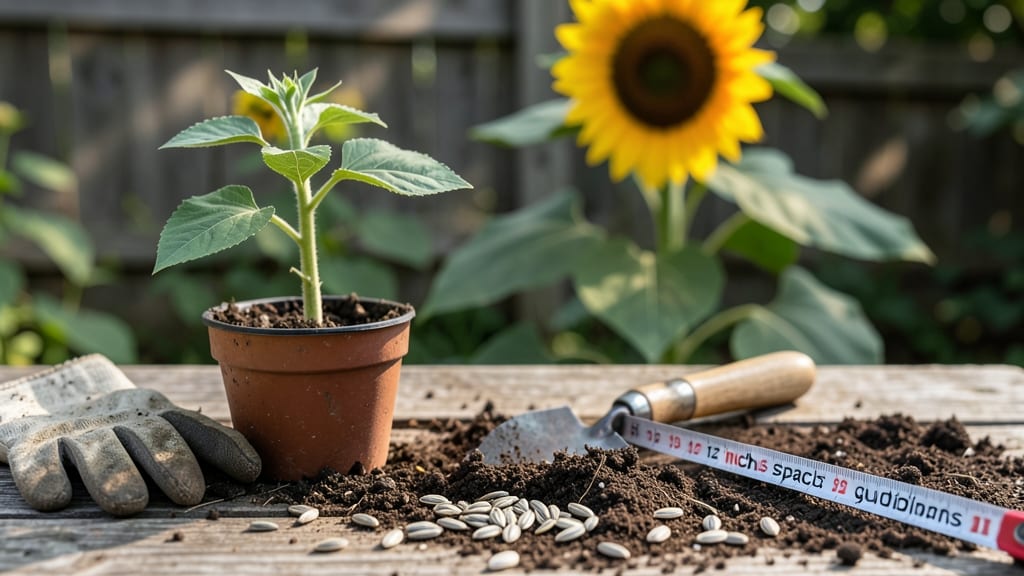
Planting sunflowers in the ground when soil temperatures hit 50°F or warmer is the secret to those towering, cheerful blooms you’ve been dreaming of.
Too early, and your seeds will rot in cold soil; too late, and you’ll miss the 100-day race to maturity before frost. I’ve watched giant varieties flop when planted just two weeks off the ideal window—so let’s get this right.
Your hardiness zone and last frost date matter more than you might think. In Zone 6a, that means waiting until mid-April, but in warmer climates, you could start as early as March.
Below, I’ll break down the exact dates for your area, plus pro tips for adjusting for dwarf vs. giant sunflowers.
You’ll walk away knowing not just when to plant, but how to prep the soil, space your seeds, and even squeeze in a second planting for late-summer blooms. Let’s make this the year your sunflowers reach their full potential.
Ideal soil temperature and planting windows for sunflowers
Sunflowers thrive when planted in warm soil and after the last frost date. The minimum soil temperature for sunflower seeds to germinate is 50°F (10°C), but they grow best in soil that's already warmed to 60-70°F (15-21°C).
Cold soil slows germination and can lead to weak, leggy seedlings that struggle to reach their full height.
Unlike cool-season crops, sunflowers are warm-season plants that despise chilly conditions. Planting too early—when soil temperatures dip below 50°F (10°C)—can result in seeds rotting in the ground or seedlings that emerge only to be killed by a late frost.
Always wait until your local frost-free date has passed and soil has warmed up.
How to check soil temperature: Use a soil thermometer (insert it 2 inches deep) in the morning for the most accurate reading. Most garden centers sell them for under $10. If you don't have one, observe your local average last frost date and add 2-4 weeks to account for soil warming.
For example, if your last frost date is April 15, aim to plant sunflowers between May 1-15 in most climates. In warmer regions (Zones 8-11), you can start as early as March, while colder zones (Zones 2-5) may need to wait until late May or June.
| Key Factor | Ideal Condition | Actionable Tip |
|---|---|---|
| Soil Temperature | 50°F+ (10°C+) | Use a soil thermometer; wait until morning temps stay above 50°F for 3+ days. |
| Last Frost Date | 2-4 weeks after | Check your USDA Zone and local almanac for exact dates. |
| Planting Window | Mid-spring to early summer | Zones 2-5: May-June; Zones 6-11: April-May. |
| Early Varieties | 45-50 days to maturity | Plant 4-6 weeks before last frost for short-season areas. |
| Late Varieties | 90-120 days to maturity | Plant after soil warms to 60°F+ for best growth. |
Sunflowers are direct-sown plants, meaning they don’t transplant well. This means you’ll need to time your planting carefully to avoid starting seeds indoors (which is tricky due to their large taproots).
For early varieties (like 'Teddy Bear' or 'Moulin Rouge'), you can push the envelope and plant 2-3 weeks before your last frost date if your soil is warm enough.
In short-season climates (Zones 2-5), focus on early-maturing varieties that bloom in 50-60 days. These give you the best chance to harvest seeds before early fall frosts arrive.
For example, 'Autumn Beauty' matures in 85-95 days, making it ideal for Zones 3-7, while 'Russian Giant' (120+ days) thrives in Zones 5-10.
If you’re in a warmer climate (Zones 8-11), you can also try a late-summer planting for fall blooms. Sow seeds in August for flowers that brighten up your garden as temperatures cool. Just ensure they have 6-8 hours of sun daily and well-draining soil to prevent rot.
Pro tip: If you’re unsure about your local frost dates, use the National Weather Service or your state agricultural extension office for precise data. These resources often provide historical averages and can help you plan with confidence.
Finally, remember that sunflowers are fast growers—some varieties can shoot up 2-3 inches per day in ideal conditions. The sooner you plant them after soil warms, the taller and more vibrant they’ll become.
Don’t wait until summer is in full swing; spring planting gives them the best head start for those iconic summer blooms.
Sunflower planting dates by USDA hardiness Zones
Sunflowers thrive in warm soil and long growing seasons, making your USDA hardiness zone the first clue for when to plant. In colder zones like Zone 2-4, you’ll need to wait until after the last frost date, while warmer zones like Zone 9-11 offer more flexibility.
The key is planting when soil temperatures reach at least 50°F—this ensures strong germination and rapid growth.
For gardeners in short-season climates, starting seeds indoors 4-6 weeks before the last frost can extend your growing window. In longer-season zones, direct sowing in early spring or even late summer for a fall harvest works beautifully.
Let’s break down the best planting times by zone to help you maximize your sunflower’s potential.
| USDA Zone | Optimal Planting Window | Soil Temp Requirement | Notes for Cold Climates |
|---|---|---|---|
| Zones 2-4 | Mid-May to early June | 50-55°F | Start indoors 6 weeks before last frost or use row covers. |
| Zones 5-6 | Late April to mid-May | 55-60°F | Direct sow after frost risk passes; mulch for warmth. |
| Zones 7-8 | Early April to early June | 60-65°F | Can plant early spring or late summer for fall blooms. |
| Zones 9-11 | February to September | 65°F+ | Plant in fall for winter/spring blooms in mild climates. |
In Zones 2-4, where frost lingers late, I recommend staggered planting—sow a few seeds every 2 weeks to ensure continuous blooms. Use black plastic mulch to warm the soil faster and protect young seedlings from late frosts.
For Zones 5-6, aim for planting after your average last frost date, but always check soil temps with a thermometer to avoid delays.
Gardeners in Zones 7-8 have the most flexibility—they can plant sunflowers in early spring for summer blooms or in late summer for a fall harvest. This works especially well for dwarf varieties, which mature faster.
In Zones 9-11, you can even plant sunflowers in winter for early spring blooms, as long as soil temps stay above 50°F.
For extending the growing season in colder zones, try row covers or cold frames to jumpstart germination. In my own garden in Zone 5b, I’ve had success planting sunflowers under reusable fabric covers in early April, removing them once true leaves appear.
This gives my sunflowers a 2-week head start and often results in taller, healthier plants.
Remember, sunflowers are fast growers—they can reach 5-6 feet in just 8-10 weeks under ideal conditions. By aligning your planting with your zone’s frost dates and soil warmth, you’ll set your sunflowers up for a show-stopping summer display.