
Flowers
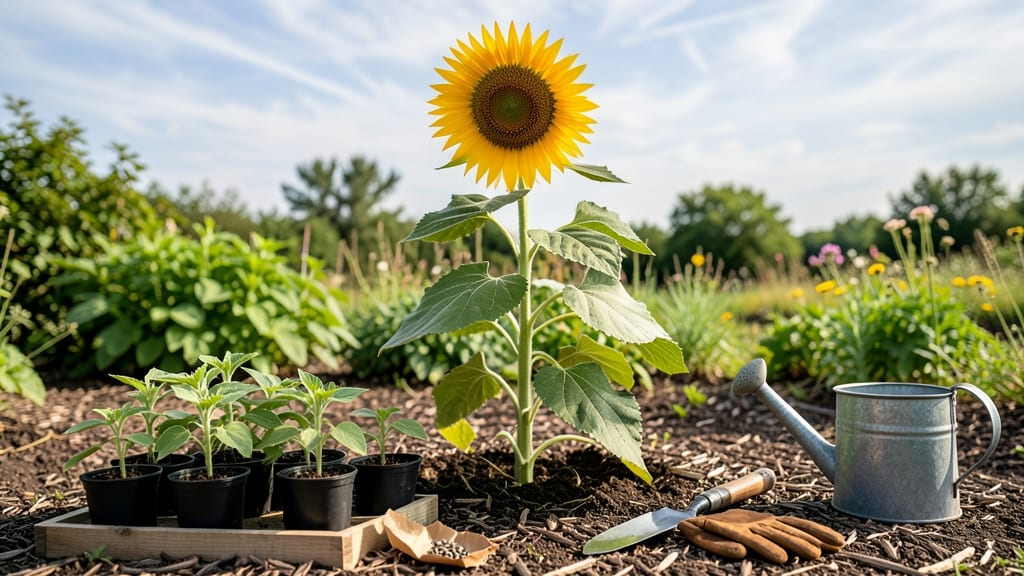
Planting sunflowers in San Diego between February and April or again in September and October unlocks their full potential—bold blooms that thrive in the region’s mild winters and hot summers.
Sunflowers bring vibrant color and effortless beauty to San Diego gardens—but planting them at the wrong time can mean wilting before they bloom. Timing is everything in this sunny climate, where mild winters and hot summers demand precision for fast, bold growth.
Inland areas like USDA Zone 9b-10a can start seeds as early as mid-February, while coastal zones should wait until late March to avoid unexpected chilly snaps. The key is soil warmth—aim for 50°F or above—and understanding how microclimates shift just a few miles apart.
Below, I’ll break down the exact windows for direct sowing vs. indoor starts, soil prep tricks to beat San Diego’s dry spells, and how to stretch your blooming season from spring to fall without burning out your plants.
Best planting months for sunflowers in San Diego’s climate zones
San Diego’s mild winters and hot summers create two perfect windows for growing sunflowers (Helianthus annuus). Coastal areas and inland valleys have slightly different timing due to temperature variations, but both zones can enjoy bold blooms with the right approach.
The key is planting when soil temperatures reach 50°F (10°C)—too early risks rot from cold soil, while late planting may mean heat stress before flowering.
For spring planting, aim for mid-February to April, while fall planting works best from early September to October. These windows align with San Diego’s USDA zones 9b-10a, where frost is rare but heat waves can be intense.
I’ve grown sunflowers in both coastal Encinitas and inland El Cajon, and the timing differences are subtle but critical for success.
Here’s how San Diego’s two main climate zones differ for sunflower planting:
| Factor | Coastal Zones (e.g., La Jolla, Pacific Beach) | Inland Valleys (e.g., Escondido, Ramona) |
|---|---|---|
| Ideal Planting Window | Late February - Early April OR Late September - Early October |
Mid-February - Mid-April OR Early September - Mid-October |
| Soil Temperature Threshold | 50°F (10°C) - warms slower due to ocean influence | 50°F (10°C) - warms faster in direct sunlight |
| Heat Tolerance Window | Peak blooms May-June; tolerates coastal breezes | Peak blooms April-May; needs afternoon shade in summer |
| Watering Needs | Every 4-5 days; higher humidity reduces evaporation | Daily in summer; dry air increases evaporation |
| Soil Prep Tip | Add sand to improve drainage (coastal soils can be clay-heavy) | Mix in compost to retain moisture (sandy soils dry quickly) |
| Varieties to Try | 'Teddy Bear' (dwarf), 'Moulin Rouge' (red blooms) | 'Russian Giant' (tall), 'Autumn Beauty' (multi-colored) |
Coastal gardeners should plant 2-3 weeks later than inland areas because ocean breezes delay soil warming. I once planted 'Teddy Bear' sunflowers in early February in Pacific Beach, only to see stunted growth from cold soil—until I waited until late February.
The lesson? Always check soil temperature with a soil thermometer (or press your hand into the soil; if it feels cool, wait a week).
For fall planting, inland areas have a slight advantage—their warmer nights allow sunflowers to establish roots before December chill sets in. Coastal areas can still succeed, but choose dwarf varieties that mature faster, like 'Sunspot', which blooms in 60 days instead of 90.
Mulch with straw to protect roots from temperature swings, especially in September when nights can still dip below 55°F (13°C).
Sunflowers thrive in San Diego’s full sun, but heat stress becomes an issue after 95°F (35°C). To prevent wilting, provide afternoon shade for inland plantings using shade cloth or planting near tall shrubs.
I’ve had great success with 'Autumn Beauty' sunflowers in my inland garden by giving them 30% shade during peak summer afternoons—this extends their bloom time by 2-3 weeks.
Prepare your soil by amending with compost and well-rotted manure to improve drainage, which is critical in San Diego’s clay-heavy coastal soils and sandy inland soils. Test your soil’s pH—sunflowers prefer 6.0-7.5.
If your soil is too acidic, add lime; if alkaline, mix in sulfur. My soil test revealed my coastal garden needed lime, while my inland plot required compost to retain moisture.
Direct sow seeds ½ inch deep, spacing them 6-12 inches apart depending on the variety. For tall varieties like 'Russian Giant', give them 18 inches of space to prevent crowding and disease. Water deeply after planting and keep the soil
How to extend sunflower blooming season with strategic planting
Sunflowers thrive in San Diego’s sunny climate, but their blooming season can feel short if you plant them all at once. The key to continuous color is staggered planting—spreading out your plantings every 2-3 weeks to ensure fresh blooms from spring through late summer.
This method works especially well for annual varieties like 'Moulin Rouge' or 'Autumn Beauty,' which produce vibrant flowers for months.
San Diego’s mild winters and hot summers create perfect conditions for two planting cycles: spring (February–April) and fall (September–October). By planting in successive batches, you’ll avoid the "all-at-once" bloom crash and enjoy sunflowers for up to 6 months.
For example, start your first batch in mid-February, then follow up with new seeds every 21 days until late April.
- 1 Start with early varieties: Plant dwarf or semi-dwarf sunflowers (like 'Teddy Bear' or 'ProCut') in February for spring blooms. These mature faster (60–75 days) and handle San Diego’s coastal breezes better.
- 2 Stagger plantings every 3 weeks: Add new batches in March, April, and September to create a rolling bloom. Use tall varieties (like 'Russian Giant') for late-season plantings—they’ll thrive in fall’s cooler temps before winter dormancy.
- 3 Adjust watering for dry spells: San Diego’s summer droughts can stress sunflowers. Water deeply 2–3 times per week (1–2 gallons per plant) in morning hours to prevent wilting. Mulch with straw to retain moisture.
- 4 Pair with drought-tolerant companions: Plant marigolds or basil nearby to repel pests like sunflower moths. These plants also share water needs and thrive in San Diego’s well-draining soil.
- 5 Deadhead spent blooms: Remove faded flowers to encourage new buds and extend the season. Use clean shears and wear gloves—sunflower stems can be prickly!
For fall plantings, focus on September–October to ensure sunflowers bloom before cool winter nights slow growth. Choose heat-tolerant varieties like 'Evening Sun' or 'Italian White'—these handle San Diego’s September heat waves better than delicate spring types.
Test soil moisture weekly; overwatering in fall can lead to root rot in the region’s clay-heavy soils.
Pro tip: Save seeds from your best blooms for next year! Let 10–20% of heads mature fully on the stem, then harvest seeds in late fall.
Store them in a cool, dry place (like a paper envelope) until spring planting. This saves money and ensures region-adapted varieties thrive in your garden.
With these strategies, your San Diego garden can burst with sunflowers from March through November—turning your yard into a year-round pollinator paradise. Just remember: sun, soil, and succession are your secret weapons for non-stop blooms! 🌻