
Flowers
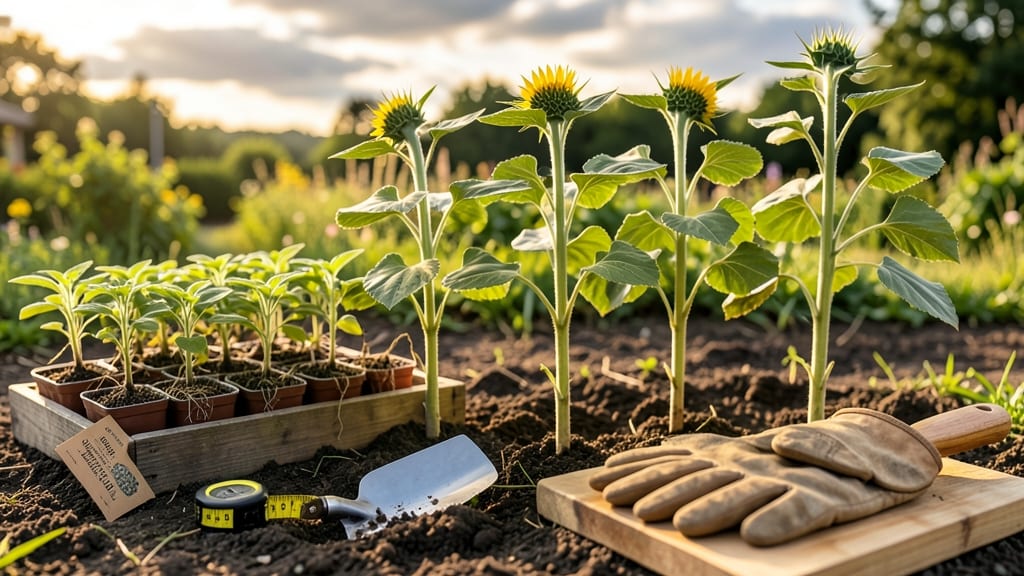
Plant sunflowers in Oregon after the last frost date — typically mid-April in the Willamette Valley but as late as early June along the coast — to give them the long, warm season they need to reach their full height.
Sunflowers thrive in Oregon’s diverse climates, but planting them too early or late can mean the difference between a towering summer display and withered disappointment.
The key is matching your microclimate: high desert areas like Bend can start seeds indoors by March 15, while coastal regions like Astoria should wait until May 1 to avoid frost damage.
Below, I break down the exact planting windows for your zone, how to prep soil for Oregon’s well-draining conditions, and the best varieties for your growing season.
Oregon’s frost-free planting zones for sunflowers: when to start seeds indoors vs. outdoors
Oregon’s diverse microclimates create challenges for sunflower growers. While the Willamette Valley enjoys warmer springs, coastal areas like Cannon Beach face late frosts until June, and the High Desert has earlier frost-free dates.
Understanding your USDA zone (7b-9a) and local frost dates is key to timing sunflower planting for maximum height and seed production.
Sunflowers are fast growers but need warm soil (55°F+) to thrive. In Oregon, this typically means waiting until mid-April to mid-June for outdoor planting, depending on your region.
For gardeners eager to get a head start, indoor seed starting 4-6 weeks before your last frost date can give sunflowers a 3-4 week growth advantage before transplanting.
Here’s how Oregon’s three key regions differ in their frost-free windows and ideal planting strategies:
For Willamette Valley gardeners (like those in Eugene or Salem), starting seeds indoors by March 15 gives you a 6-week head start before transplanting after May 1. This is ideal for tall varieties like ‘Russian Giant’ that need 120 days to mature.
In contrast, coastal Oregon (e.g., Newport) requires patience—wait until June 1 for outdoor planting to avoid late spring frosts that can kill young seedlings.
The High Desert (Bend, Prineville) has a shorter growing season but warmer days, so focus on fast-maturing dwarf varieties like ‘Teddy Bear’ (56 days) if planting after May 20. These thrive with less water and intense sun, perfect for the region’s dry climate.
Always check your local microclimate—a backyard near pavement may warm up 2-3 weeks earlier than open fields.
If you’re unsure about your last frost date, use a frost clock or local Cooperative Extension Service data. For Portland, the average last frost is April 22, but urban areas can be 1-2 weeks earlier.
To protect early starts, use row covers or cloche tunnels until soil reaches 55°F. Test soil temperature with a thermometer—sunflowers won’t germinate well in cold, wet soil.
For direct sowing outdoors, Oregon’s drought-prone summers mean you should water deeply after planting to establish roots. Use mulch (straw or wood chips) to retain moisture and prevent weed competition.
In cooler zones (Columbia Gorge, High Desert), opt for semi-dwarf varieties like ‘Autumn Beauty’ (60-65 days) to ensure they bloom before first frost in October.
Pro tip: Mark your calendar for July 4th weekend as a general target for <
5 Critical factors that determine the Best Sunflower Planting Time in Oregon (Beyond the Calendar)
Oregon’s diverse microclimates mean your sunflower’s success depends on more than just the calendar. While most gardeners focus on last frost dates, I’ve found that soil temperature, sun exposure, and even drought tolerance play equally critical roles.
For example, my Portland garden thrives with mid-May plantings, but coastal friends wait until June to avoid chilly coastal winds.
Sunflowers need warm soil (at least 55°F) to germinate properly, and Oregon’s well-draining soil can cool quickly in spring. That’s why I always test soil warmth with a soil thermometer before planting.
Pair that with your local frost-free date, and you’ve got the perfect window for healthy sunflower growth.
🌱 Sunflower Planting Checklist for Oregon
- 1. Soil Temperature: Wait until soil reaches 55°F+ (use a thermometer!). Coastal areas often lag behind inland zones.
- 2. Last Frost Date: Plant after April 15 (inland) or June 1 (coastal). Check USDA Zone 7b-9a maps for precision.
- 3. Sun Exposure: Choose a full-sun spot (6+ hours). Oregon’s short summer days mean maximizing sunlight is key.
- 4. Drought Tolerance: Once established, sunflowers need deep watering every 7-10 days. Mulch to retain moisture in Oregon’s dry summers.
- 5. Row Covers: Extend your season by 2-3 weeks with frost cloth. Ideal for early starts in Zone 7b or late frosts in Zone 9a.
Let’s start with soil temperature, the most overlooked factor. Sunflower seeds won’t germinate below 55°F, and Oregon’s coastal regions can take weeks longer to warm up than inland areas.
I’ve seen Portland gardens ready by early May, while Astoria’s soil might not hit 55°F until late May or early June. Use a soil thermometer to avoid the guesswork—it’s a $10 investment that saves weeks of waiting.
Next, last frost dates vary wildly across Oregon. The Willamette Valley typically sees its last frost around April 15, while the Columbia Gorge can experience late frosts until May 10. Coastal areas like Cannon Beach often wait until June 1.
To hedge your bets, I recommend using row covers if you’re eager to plant early. They can push your planting window back by 2-3 weeks without risking frost damage.
Don’t overlook sun exposure, either. Sunflowers need 6-8 hours of direct sunlight daily, and Oregon’s summer daylight is shorter than you’d expect.
If your garden gets partial shade (like under fruit trees), opt for dwarf varieties like ‘Teddy Bear’ (2-3 feet tall) instead of giants like ‘Russian Giant’ (12+ feet). Even 1-2 hours less sun can stunt growth significantly.
Finally, Oregon’s drought-prone summers mean sunflowers need deep, infrequent watering once established. New seedlings, however, require consistent moisture to prevent wilting. I’ve found that mulching with straw keeps roots cool and retains moisture—critical in July and August when Oregon’s heat peaks.
Water deeply in the morning to reduce evaporation and fungal risks.
By focusing on these 5 critical factors, you’ll avoid the heartbreak of frost-nipped seedlings or stunted growth. Whether you’re in Medford’s Zone 8 or Seaside’s Zone 8b, these adjustments ensure your sunflowers reach their full towering potential.
Ready to plant? Grab your thermometer and row covers—your sunflower dreams are about to bloom! 🌻