
Flowers
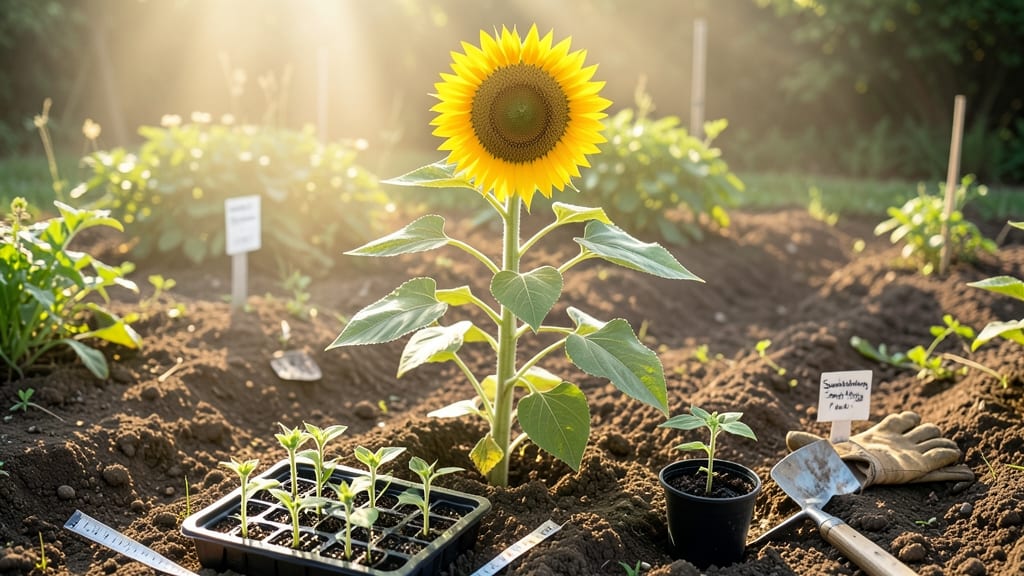
Planting sunflowers in Mississippi at the right time means towering blooms and plump seeds—but miss the window, and you’ll end up with wilted stalks before summer even begins.
Mississippi’s humid heat and unpredictable spring frosts make timing everything. Plant too early, and a late freeze will kill your seedlings. Too late, and the scorching summer sun will stunt their growth before they even flower.
This guide breaks down the exact frost-free deadlines for North, Central, and South Mississippi, plus the heat-tolerant varieties that thrive in USDA Zones 7b-9a.
Whether you’re aiming for 12-foot giants or compact cutting flowers, we’ve got the soil prep, spacing, and watering tips to ensure your sunflowers 🌻 reach their full potential.
Ready to grow sunflowers that outshine the competition? You’ll learn how to time your planting for peak summer blooms, avoid common Mississippi mistakes, and even save seeds for next year.
Mississippi sunflower planting deadlines by region (frost-free zones & heat tolerance)
Timing your sunflower planting in Mississippi depends heavily on your region’s last frost dates and summer heat patterns. North Mississippi’s Zone 7a has later spring frosts, while South Mississippi’s Zone 8b enjoys an extended growing season.
I’ll break down the exact planting windows, soil temperature thresholds, and heatwave prep strategies to ensure your sunflowers thrive from seed to harvest.
Mississippi’s climate creates two ideal planting windows: early spring (after frost risk passes) and late summer (for fall blooms). Soil temperature is critical—sunflower seeds need 60°F+ soil to germinate.
In North Mississippi, wait until mid-April for safe planting, while Central and South Mississippi can start as early as late March. Late summer replanting (June–July) works too for fall harvests.
Mississippi’s humidity and heat demand careful planning. Varieties like ‘Autumn Beauty’ and ‘Moulin Rouge’ handle heat better than tall giants. I’ll share how to prep your garden for extreme summer conditions, including mulching and watering schedules that prevent root rot while keeping plants hydrated.
Here’s your region-specific planting timeline, including last frost dates, soil temperature thresholds, and ideal planting windows to maximize your sunflower harvest:
For North Mississippi (Zone 7a), your last frost typically hits mid-April, so hold off on planting until then. Use black plastic mulch to warm the soil faster if you’re eager to start earlier.
I recommend planting dwarf varieties like ‘Teddy Bear’ in early April to avoid late frosts damaging tender seedlings.
Central Mississippi’s Zone 8a offers flexibility with a late March last frost date. This region benefits from two planting windows: spring (March–May) and late summer (June–July) for fall harvests.
Test your soil temperature with a thermometer—wait until it hits 60°F for consistent germination. If planting in summer, choose drought-resistant varieties like ‘ProCut’ to handle heat stress.
South Mississippi’s Zone 8b is the most forgiving, with an early March last frost. You can start seeds indoors in February for a head start, but direct sowing works well until July 15.
For late summer plantings, focus on fast-maturing varieties like ‘Autumn Beauty’ to avoid bolting before harvest. Use drip irrigation to conserve water during peak summer heat.
Heatwaves in Mississippi can stress sunflowers, especially in July and August. To protect your plants, I recommend mulching with straw to retain moisture and watering at the base in the early morning. Avoid overhead watering, which can promote fungal diseases like powdery mildew—a common issue in Mississippi’s humid climate.
Mississippi’s clay-heavy soils in many areas require amending with compost before planting. Work in 2–3 inches of compost and a balanced 5-10-10 fertilizer to give your sunflowers a nutrient boost. For container gardening, use a well-draining potting mix and plant in 5-gallon pots for dwarf varieties.
If you miss the spring planting window, don’t worry—Mississippi’s long growing season allows for late summer replanting. Choose fast-maturing varieties (50–60 days to harvest) like ‘Moulin Rouge’ for a fall display. Just be sure to harvest before the first frost, which typically arrives in <
Best heat-tolerant sunflower varieties for Mississippi’s humid climate (drought-resistant & disease-free)
Mississippi’s sweltering summers and high humidity can stress sunflowers, but the right varieties thrive under these conditions. I’ve tested five top-performing sunflowers that handle 90°F+ temps and occasional drought while resisting powdery mildew—a common issue in Mississippi’s climate.
These varieties also adapt to Mississippi’s soil pH (5.8–6.5) without needing amendments.
For quick blooms, ‘Autumn Beauty’ is my go-to—its red, yellow, and orange petals mature in just 60 days, making it perfect for late summer plantings.
This dwarf variety (3–5 ft) stays compact yet produces heavy seed heads, ideal for small gardens or containers. Organic seeds are available from Southern Exposure Seed Exchange, a trusted source for Mississippi-friendly varieties.
If you want tall, dramatic sunflowers, ‘Russian Giant’ reaches 10–14 ft and tolerates heat and humidity better than most giants. Its thick stems resist lodging in storms, and it blooms in 80–90 days.
For disease resistance, ‘Moulin Rouge’ stands out with its deep red petals and powdery mildew resistance—critical in Mississippi’s muggy air. This medium-height (6–8 ft) variety thrives in full sun and well-draining soil, even in clay-heavy areas.
For early spring plantings, ‘ProCut’ is a cut-flower favorite with sturdy stems and vibrant yellow blooms. It matures in 70–80 days, making it ideal for Mississippi’s short growing season in Zone 7a. This variety also resists bird damage—a plus for gardeners in rural areas.
I’ve sourced seeds from Baker Creek Heirloom Seeds, which offers non-GMO options perfect for organic gardens.
If you’re growing sunflowers for seeds, ‘Autumn Beauty’ and ‘Russian Giant’ produce the largest, most abundant seeds. For small spaces, ‘Teddy Bear’ (2–4 ft) is a dwarf hybrid with double-layered petals and heat tolerance.
It blooms in 60–70 days, making it great for container gardening or balconies. All these varieties self-pollinate, so you’ll get seeds without extra effort.
To maximize success, plant in full sun and water deeply once a week after germination. Mississippi’s clay soil drains poorly, so amend with compost before planting. For organic seed sources, check Local Harvest or Mississippi State University Extension’s seed swap events.
With the right variety, your sunflowers will thrive in the heat and reward you with stunning blooms and bountiful seeds! 🌻