
Planting
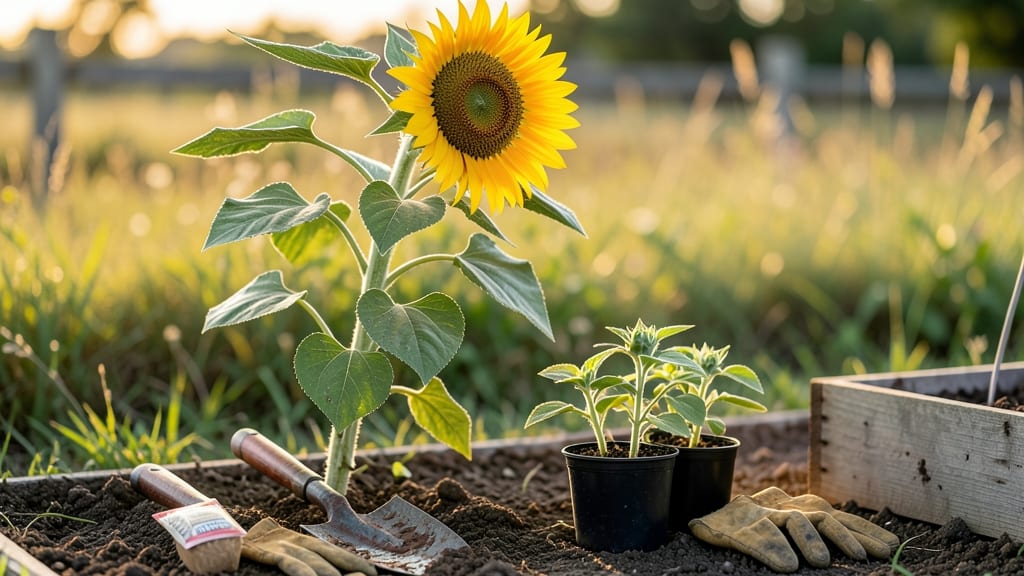
To plant sunflowers in North Carolina at the right time means capturing the perfect window between frost risks and summer heat—where towering blooms and strong stems meet.
Picture this: you’ve prepped the soil, chosen your favorite variety, and even marked the spacing—only to watch your seedlings bolt in the heat or freeze before they sprout. That’s why timing isn’t just about the calendar; it’s about reading your local microclimate.
In North Carolina’s 6a-8b zones, the ideal planting window stretches from mid-April to mid-July, but the exact dates shift depending on whether you’re in the cooler Piedmont or the warmer Coastal Plain.
Get it right, and you’ll enjoy sunflowers 🌻 that reach their full height and attract pollinators all summer long.
Below, I’ll break down the exact months for each zone, how to adjust for early or late frosts, and the one trick that extends your growing season by weeks—so you’re not left with half-sized blooms or leggy stems.
NC planting zones & exact months for sunflower success
North Carolina’s diverse climate means your sunflower planting timeline depends heavily on your USDA hardiness zone. Whether you're in the cooler Zone 6b mountains or the warmer Zone 8a coastal plains, timing is everything for those iconic towering blooms.
The key? Planting after the last frost date when soil temperatures consistently stay above 55°F (13°C)—this ensures quick germination and strong stems.
For most of NC, that window opens between mid-April and mid-May, but mountain regions may need to wait until late May. Even in warmer zones, planting too early risks frost damage to young seedlings.
Let’s break down the exact months by zone so you can plan your sunflower garden with confidence.
🌱 Pro Tip: Use a soil thermometer to confirm soil warmth before planting. Sunflowers won’t sprout until the soil reaches at least 55°F (13°C)—waiting ensures stronger, healthier plants.
In Zone 6b (mountains like Asheville), wait until late May to plant—earlier seedlings risk frost damage. The Piedmont (Zone 7a) offers a broader window from mid-April to mid-May, perfect for both early and late varieties.
Meanwhile, Zone 8a (coastal areas) lets you start as early as late March, but avoid planting after mid-July to ensure blooms mature before fall frosts.
For extended harvests, try succession planting every 2-3 weeks in Zones 7b and 8a. This ensures continuous blooms from June through October. Just remember: sunflowers need 6-8 hours of full sun daily, so choose your planting spot carefully—even the best timing won’t help in shady areas.
If you’re in doubt about your zone, check the NC State Extension’s interactive map or use the USDA Plant Hardiness Zone Map. These tools pinpoint your exact location for foolproof timing.
And don’t forget: soil prep matters—amend your garden bed with compost before planting to give those seeds the best start.
One common
How to time sunflower planting for maximum height & bloom
Timing your sunflower planting in North Carolina isn’t just about avoiding frost—it’s about giving your plants the perfect growing window to reach their full height and bloom potential.
In my experience, planting too early can lead to leggy, weak stems, while waiting too late might leave you with stunted blooms before the first frost. The key is understanding your local microclimate and adjusting your schedule accordingly.
Most gardeners in NC focus on the spring planting window (April to May), but I’ve found that succession planting in early July can still yield impressive results—especially for shorter varieties.
The trick lies in monitoring soil temperatures and frost dates to ensure your sunflowers get the 60-80 days they need to mature before cooler weather arrives.
⚠️ WARNING: Common Mistakes That Stunt Growth
Planting Too Early
Risk: Seedlings may rot in cold, wet soil or bolt prematurely in warm spells. In NC’s Zone 6b, waiting until soil reaches 55°F (13°C) ensures healthy germination.
Planting Too Late
Risk: Tall varieties like 'Russian Giant' won’t mature before frost. Aim to plant by mid-July for a fall harvest in Zone 8a.
Ignoring Soil Prep
Risk: Poor drainage or compacted soil leads to weak stems. Amend with compost and ensure 6-12 inches of depth for roots.
For maximum height, I recommend transplanting seedlings instead of direct sowing if you’re in a cooler zone. Start seeds indoors 4-6 weeks before your last frost date, then move them outside after the soil warms.
This gives you a 2-3 week head start on growth, which is crucial for varieties like 'Mammoth Russian' that can reach 12-18 feet tall.
Another pro tip: Stagger your plantings every 2-3 weeks from April through July. This ensures a continuous display of blooms and extends your harvest season. For example, plant a batch in early April (for Zone 7a), another in mid-May, and a final one in early July.
This way, you’ll have sunflowers in various stages of growth at once, creating a stunning vertical garden effect.
Don’t forget to thin your seedlings to the recommended spacing (12-24 inches apart, depending on variety) once they’re 3-4 inches tall. Crowded plants compete for nutrients and sunlight, leading to shorter stems and smaller blooms.
Use sharp scissors to avoid disturbing the roots of nearby plants, and save the thinned seedlings for transplanting or compost.
Finally, watch for pest pressure in late summer, especially from sunflower moths and bird damage. If you notice early signs of stress, apply a light neem oil spray to protect your blooms.
With the right timing and care, your sunflowers will reward you with towering stems and vibrant blooms that last well into fall. 🌻