
Flowers
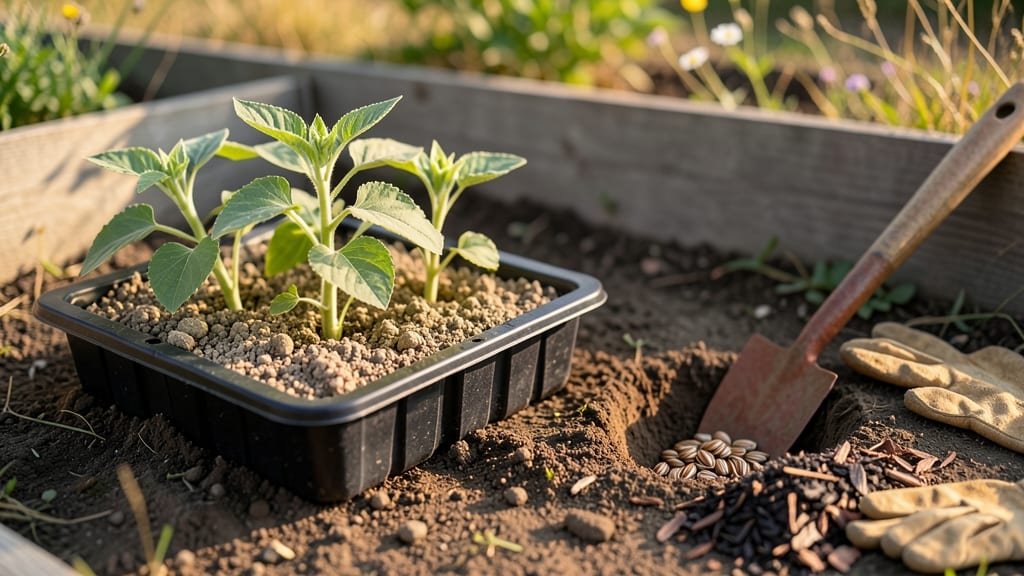
Planting sunflowers in California at the right time means the difference between towering, golden blooms and sad, stunted stalks.
Sunflowers aren’t just cheerful additions to your garden—they thrive in California’s diverse climates, but planting them at the wrong time can mean wilting disappointment instead of 10-foot giants. Timing is everything, and California’s microclimates mean your neighbors’ success won’t guarantee yours.
Coastal gardeners in USDA Zone 9b can start as early as February, while Central Valley growers should wait until April to avoid frost. Desert regions like the Coachella Valley can even plant into October, thanks to their longer frost-free seasons.
Below, I break down the exact planting windows by region, soil prep tips, and how to pick the right sunflower variety for your microclimate—so you can maximize your blooms this season.
California’s sunflower planting calendar by region: coastal vs. desert vs. valley timelines
California’s climate varies wildly from region to region, making sunflower planting a game of strategy rather than guesswork.
In the coastal areas, like San Francisco or Santa Barbara, mild winters and summer fog create a different timeline than the Central Valley’s scorching summers or the desert’s extreme heat. Getting your timing right means the difference between a 12-foot sunflower and a sad, stunted plant.
Let’s break it down by region so you can plant with confidence.
First, know that sunflowers thrive when soil temperatures hit 55°F (13°C)—cooler than that, and germination stalls. But frost is also your enemy, especially in inland areas. The Central Valley often sees its last frost in February, while coastal areas can have frost as late as March 15.
Desert regions? Frost is rare, but heat stress starts early. Let’s map out the best planting windows for each zone to ensure your sunflowers reach their full potential.
| Region | Last Frost Date | Best Planting Window | Heat Tolerance Threshold | Soil Temp for Germination |
|---|---|---|---|---|
| Coastal (e.g., San Francisco, Santa Barbara) | March 15 | March 1 - May 15 | Up to 90°F (32°C) | 55°F (13°C) |
| Central Valley (e.g., Sacramento, Fresno) | February 1 | February 15 - August 1 | Up to 100°F (38°C) | 60°F (16°C) |
| Desert (e.g., Palm Springs, Death Valley) | January 1 (rare) | March 1 - September 15 | Up to 110°F (43°C) | 65°F (18°C) |
In coastal California, where summers are cool and foggy, you’ve got a longer window to plant sunflowers. Start as early as March 1 to take advantage of the mild weather, and you can even squeeze in a late planting by May 15 for fall blooms.
The cooler temperatures mean you can grow varieties like ‘Teddy Bear’ or ‘Moulin Rouge’ without worrying about heat stress. Just be mindful of the summer fog, which can slow growth if it’s too persistent.
For the Central Valley, where summers are hot and winters are cold, timing is critical. Plant your sunflowers between February 15 and August 1 to avoid frost damage and ensure they mature before the first frost hits in October.
This region’s long growing season allows for multiple plantings, but choose heat-tolerant varieties like ‘Russian Giant’ or ‘Autumn Beauty’ to handle the intense sun. Soil temperatures here often rise faster, so wait until the soil hits 60°F (16°C) before planting.
The desert regions of California, like the Coachella Valley, have the shortest frost-free season but the longest heat exposure. Plant sunflowers between March 1 and September 15 to avoid the extreme heat of summer, which can cause bolting (premature flowering).
Desert sunflowers need extra water during establishment but become drought-tolerant once mature. Varieties like ‘ProCut’ or ‘Evening Sun’ are excellent choices for their ability to thrive in 110°F (43°C) heat.
Pro tip: Use a soil thermometer to check temperatures before planting. If your soil is still cool, consider starting seeds indoors under grow lights 4-6 weeks before your region’s ideal planting window.
This gives you a head start and ensures your sunflowers are ready to hit the ground running when conditions are perfect. For coastal gardeners, this might mean starting seeds in February, while Central Valley gardeners can wait until late February.
Don’t forget to space your sunflowers properly. Dwarf varieties need 6-12 inches apart, while standard and giant varieties should have 18-24 inches of space to avoid competition. In coastal areas, where space might be limited, consider vertical gardening or trellises for taller varieties.
This not only saves space but also improves air circulation, reducing the risk of fungal diseases like powdery mildew.
Finally, keep an eye on your sunflowers’ progress. If you planted late in the season, you might need to extend the growing season with row covers or choose fast-maturing varieties like ‘Sungold’ or ‘Autumn Beauty,’ which can bloom in as few as 50-60 days.
In desert regions, mulching with straw or wood chips can help retain moisture and keep roots cool during the hottest part of the day.
With these regional timelines, you’re now equipped to plant sunflowers that will thrive in your specific microclimate. Whether you’re in the foggy coast, the scorching valley, or the arid desert, timing is the key to unlocking those show-stopping blooms you’ve been dreaming of. Happy planting! 🌻
How to adjust planting dates for sunflower success: soil temperature, variety matters, and drought-proofing tips
California’s soil temperature is the #1 factor for sunflower success—these heat-lovers need 60°F+ soil to germinate properly. In inland areas like the Central Valley, you can plant as early as February, but coastal gardeners should wait until March or April when fog lifts and soil warms.
Even a 10°F difference can delay germination by weeks.
Your sunflower variety choice directly impacts planting timing. Early-blooming types like ‘Autumn Beauty’ thrive when planted in late winter, while heat-tolerant giants like ‘Moulin Rouge’ can handle summer planting in desert regions. Always check your seed packet’s days-to-maturity to avoid late-season frosts.
🌱
| Factor | Coastal CA | Central Valley | Desert Regions |
|---|---|---|---|
| Soil Temp | 65°F+ (April) | 60°F+ (Feb-Mar) | 70°F+ (March-April) |
| Best Varieties | ‘Autumn Beauty’ (early) | ‘Russian Giant’ (tall) | ‘Moulin Rouge’ (heat-proof) |
| Watering Strategy | Deep weekly soak | Drip irrigation | Mulch heavily |
| Planting Window | March-May | Feb-July | April-Sept |
California’s unpredictable rainfall means drought-proofing is critical. After planting, apply 2-3 inches of mulch (straw or wood chips) to retain moisture and regulate soil temperature. Pair sunflowers with drought-resistant companions like marigolds or basil—they suppress weeds while sharing water needs.
For summer planting in hot zones, use shade cloth during the first 2 weeks to prevent seedling stress. Once established, sunflowers are surprisingly resilient—mature plants need only 1 inch of water weekly.
The key is deep watering at the base, never overhead, to avoid fungal diseases like powdery mildew.
Pro tip: Test your soil’s moisture retention by digging a 6-inch hole. If it’s dry at this depth, water immediately—sunflowers hate wilting but recover quickly from deep drought. In coastal areas, watch for late-season fog which can stunt growth; opt for early-maturing varieties if planting in September.
💧