
Flowers
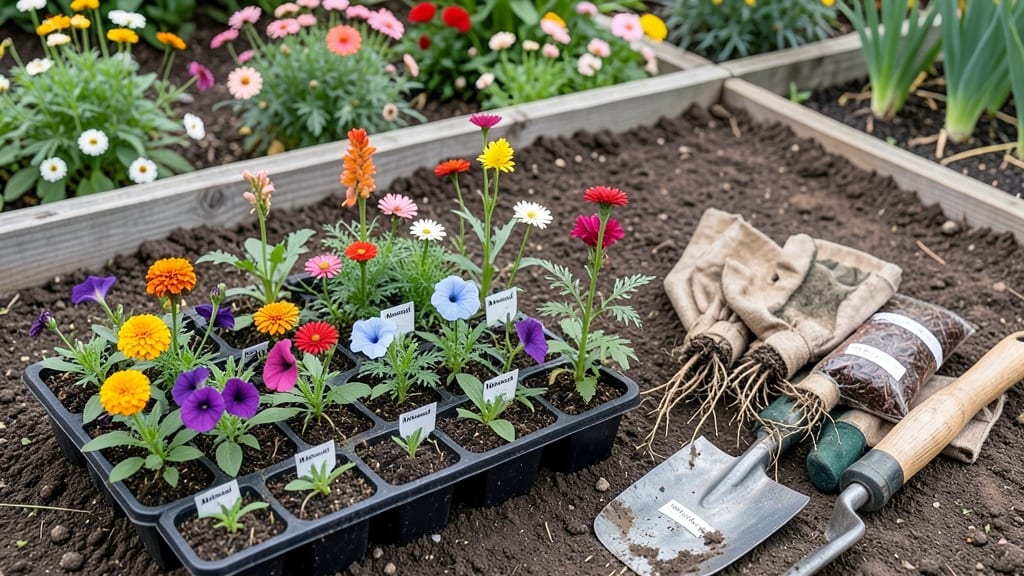
Planting flowers in Zone 8 at the right time means the difference between a garden bursting with color and one that struggles to take root.
Timing your flower planting in Zone 8 can mean the difference between vibrant blooms all season and wilting disappointment—especially when microclimates shift temperatures by 10°F just miles apart.
With mild winters and warm summers, Zone 8 offers a longer growing season, but getting the timing right for annuals, perennials, and bulbs is key. Whether you're in the coastal warmth of San Francisco or the desert heat of Phoenix, knowing when to plant ensures your 🌸 thrive.
In this guide, I’ll break down the exact planting windows for each flower type, accounting for local frost dates and microclimates, so you can enjoy blooms from spring to fall.
Zone 8 flower planting calendar by type: annuals vs perennials vs bulbs
Mastering the Zone 8 planting calendar transforms your garden from a hit-or-miss experiment to a blooming masterpiece. Unlike colder zones, Zone 8’s mild winters and long growing seasons demand precision—plant too early, and frost zaps tender seedlings; too late, and summer heat stresses delicate blooms.
The key? Understanding how annuals, perennials, and bulbs each respond to Zone 8’s three sub-regions (8a, 8b, 8c) and microclimates that can shift frost dates by 6 weeks.
For example, coastal San Francisco (8b) might see pansies thrive in January plantings, while desert Phoenix (8c) gardeners wait until March to avoid heat stress.
Below, I’ve broken down the optimal planting windows for each flower type, complete with microclimate tweaks to ensure your marigolds bloom in June and your tulips return every spring.
| Flower Type | Zone 8a (Coldest) | Zone 8b (Moderate) | Zone 8c (Warmest) | Microclimate Notes | Key Varieties |
|---|---|---|---|---|---|
| Cool-Season Annuals | Feb 15–Mar 15 | Feb 28–Apr 1 | Mar 15–Apr 15 | Plant 3–4 weeks before last frost; coastal areas can start 2 weeks earlier. | Pansies, Snapdragons, Sweet Peas |
| Warm-Season Annuals | Apr 15–May 10 | Apr 1–May 1 | Mar 15–Apr 15 | Wait until soil reaches 60°F+; desert zones plant 2 weeks earlier. | Marigolds, Petunias, Zinnias |
| Perennials (Spring-Blooming) | Sep 1–Oct 15 | Sep 15–Oct 30 | Oct 1–Nov 15 | Plant in fall for root growth; avoid summer heat stress. | Black-Eyed Susans, Coneflowers, Lavender |
| Bulbs (Spring Bloom) | Oct 1–Nov 15 | Sep 15–Oct 30 | Sep 1–Oct 15 | Plant 6–8 weeks before first frost; coastal areas can extend to December. | Tulips, Daffodils, Hyacinths |
| Fall Annuals (Cool-Season) | Jul 15–Aug 15 | Jul 1–Aug 10 | Jun 15–Jul 30 | Start 8–10 weeks before first frost; high desert areas plant earlier. | Calendula, Stock, Aster |
Notice how Zone 8c (warmest) lets you plant spring bulbs as late as October 15, while Zone 8a gardeners must rush to get them in by November 15.
This shift reflects the 10°F temperature difference between sub-regions. For example, Tulips in Phoenix (8c) might bloom in December, while those in Denver suburbs (8a) wait until March.
Microclimates add another layer. In coastal San Diego (8b), I’ve planted sweet peas in January—weeks before inland areas—thanks to the marine layer delaying frost. Meanwhile, in Reno (8a’s high desert), I wait until March 1 to avoid late
How microclimates in Zone 8 shift planting dates by up to 6 weeks
Zone 8 spans from Phoenix’s scorching deserts to San Francisco’s chilly coastal breezes, where a single city block can experience 10°F temperature swings. These microclimates don’t just affect your last frost date—they can shift your flower planting window by 4–6 weeks.
Understanding these variations means the difference between lush summer blooms and wilted disappointment.
Urban heat islands, for example, trap warmth in concrete jungles, delaying frost by 2–3 weeks compared to rural areas. Meanwhile, coastal areas near Pacific Ocean breezes may experience frost 1–2 weeks earlier than inland zones.
Even elevation changes of just 500 feet can push frost dates back by 10 days. Let’s break down how to adjust your planting schedule for these localized climate pockets.
If you live in Phoenix or Las Vegas, desert microclimates mean you can plant warm-season annuals like marigolds as early as mid-February, while coastal gardeners in San Francisco should wait until late March to avoid frost damage.
Even within a single city, elevation changes create pockets where tender perennials like lavender thrive in one neighborhood but struggle just a few miles away.
Pro tip: Use a local frost date calculator (like the National Weather Service’s tools) and adjust by ±2 weeks based on your microclimate. For example, if your average last frost is March 15, plant cool-season flowers 3–4 weeks before—but push that to 4–6 weeks early in high-desert areas.
This ensures your pansies and snapdragons have time to establish roots before unexpected cold snaps.
Don’t overlook water bodies either—they create "thermal lag," where frost arrives 1 week later near lakes or rivers. If you’re gardening along the Colorado River or Sacramento Delta, you can safely plant heat-loving zinnias 10 days earlier than inland gardens.
Conversely, urban heat islands delay frost, so delay cool-season plantings by 2 weeks in cities like Los Angeles or Denver.
To maximize your Zone 8 flower season, combine these microclimate adjustments with succession planting and heat-tolerant varieties. For instance, lantana and portulaca thrive in urban heat, while camellias and sweet peas love coastal mildness.
By tailoring your planting schedule to your local microclimate, you’ll enjoy longer bloom times and healthier flowers all season long. 🌸