
Flowers
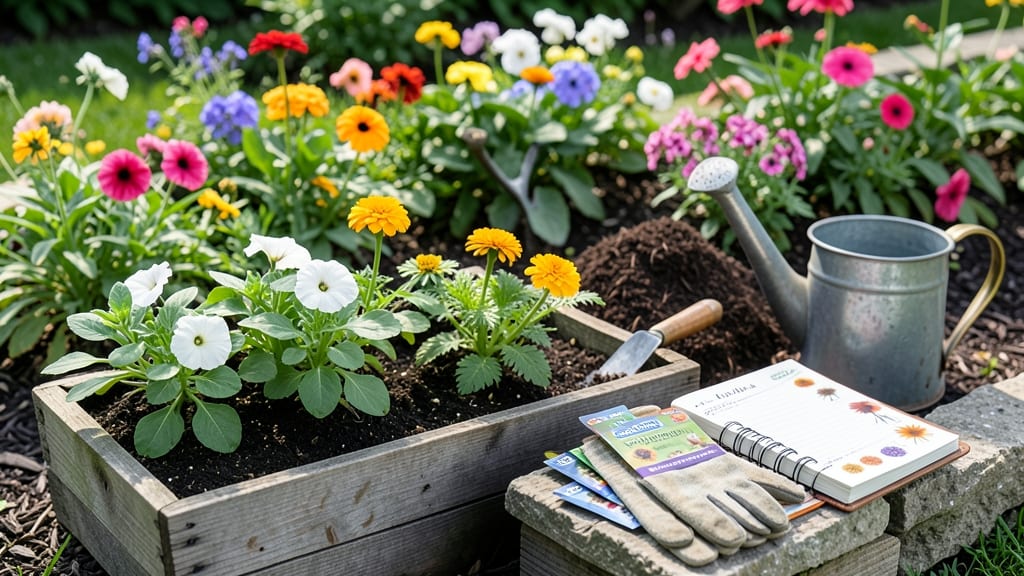
Planting flowers in Zone 6B at the right time ensures vibrant blooms all season—timing matters more than you might think.
Picture this: you’ve spent hours selecting the perfect 🌸 varieties, only to watch them wilt under a late frost or struggle in scorching summer heat. The difference between a thriving garden and a disappointment often comes down to those few weeks before the last frost date.
In Zone 6B, where frost can linger until mid-April and creep back by mid-October, knowing the exact window to plant annuals, perennials, and bulbs is the key to success. Whether you’re sowing seeds or transplanting young plants, the right timing sets the stage for lush growth and showstopping color.
Below, I’ll break down the best weeks before last frost to plant each type of flower, plus how to adjust for unpredictable weather. You’ll discover the exact schedule for spring and fall planting, along with the most resilient flowers for Zone 6B’s climate.
Exact weeks before last frost to plant flowers in zone 6B
In Zone 6B, where the last spring frost typically arrives around April 15 and the first fall frost hits near October 15, timing your flower planting is crucial.
For annuals, you'll want to plant 4-6 weeks before your last frost date—usually by mid-March—while perennials often thrive when planted in early spring or early fall. Bulbs, like tulips and daffodils, need even more precision, as they require 6-8 weeks before frost to establish roots.
Your exact planting window depends on your local microclimate. Cities like Chicago or Philadelphia may experience earlier frosts, while areas like Richmond, VA, tend to have milder springs.
Always check your local frost dates using resources like the USDA Plant Hardiness Zone Map or your local cooperative extension service for the most accurate guidance.
Soil temperature is another critical factor. Most flowers prefer soil that's at least 60°F for optimal germination and growth. In Zone 6B, this usually aligns with late April to early May for spring planting. For fall, aim for 4-6 weeks before the first frost, giving plants time to root before winter dormancy.
Here’s a quick reference for your planting schedule:
For annual flowers, like marigolds or zinnias, you can often start seeds indoors 6-8 weeks before your last frost to get a head start. This means sowing seeds around mid-February for a late April transplant.
If you’re planting directly outdoors, wait until the soil is workable and the nighttime temperatures stay above 50°F.
When planting perennials, such as daylilies or lavender, focus on early spring or early fall planting. These plants benefit from being established before the harshest part of winter or the peak heat of summer. In Zone 6B, this typically means planting in March-April or September.
Adjust your planting schedule if you notice unpredictable weather patterns. For example, if your area experiences an early frost in late April, delay
Best flowers to plant by month in zone 6B for year-round color
Zone 6B's moderate climate lets you grow flowers year-round with the right timing. Cool-season blooms thrive in spring/fall, while warm-season favorites shine in summer. I've planted everything from hardy pansies to heat-loving zinnias—here's my proven schedule.
Start with spring-blooming bulbs like tulips in September-October for early color. Then transition to annuals and perennials as temperatures rise. The key is matching each plant's ideal transplant dates to avoid frost or heat stress.
- 🌱 March-April: Plant cool-season annuals (pansies, snapdragons) 4-6 weeks before last frost (typically March 15-April 15).
- ☀️ May-June: Transplant warm-season favorites (zinnias, marigolds) after soil reaches 60°F (usually May 1-April 15).
- 🌿 July-August: Sow late-summer bloomers (cosmos, sunflowers) directly in soil for September-October color.
- 🍂 September-October: Plant fall-blooming perennials (asters, chrysanthemums) 4-6 weeks before first frost (typically September 15-October 15).
For perennial flowers, divide clumps in early spring or early fall to refresh growth. Bulbs like daffodils can go in October-November for next spring's display. My Zone 6B garden stays colorful because I stagger plantings every 4-6 weeks.
Don't forget container gardening—pots let you move heat-sensitive plants to shade during summer. I keep petunias and geraniums in containers to extend their season. Mulch heavily in fall to protect roots from freezing temperatures.
Use seasonal succession planting to keep blooms coming. When spring bulbs fade, plant annuals like impatiens in their spots. By late summer, replace spent annuals with fall-blooming mums for continuous color until frost.
Pro tip: Mark your planting dates on a garden calendar. I use colored flags for each season's flowers—blue for spring, red for summer, and orange for fall. This visual system helps me plan year-round color without missing deadlines. 🌸