
Flowers
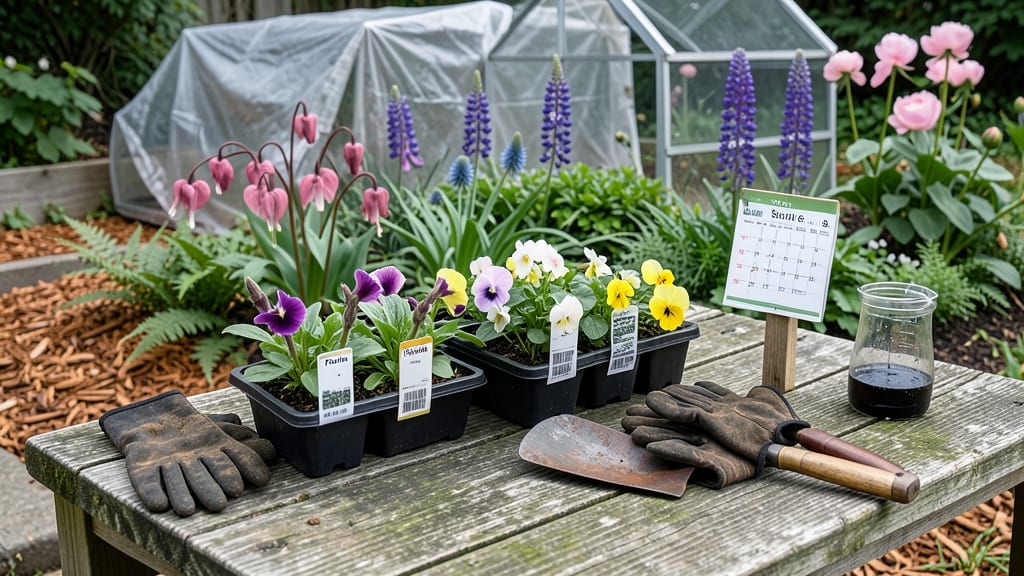
Planting flowers in Seattle means timing your 🌸 blooms to avoid frost while catching the mild spring window—typically between mid-March and May, depending on the variety.
Seattle’s unpredictable weather can turn your dream garden into a gamble—unless you know the exact timing for planting flowers. Miss the window, and your blooms may never thrive; plant too early, and frost will wipe them out.
In USDA Zone 8a, most annuals and tender perennials wait until after the last frost (around March 15), while hardy bulbs like tulips and daffodils get planted in fall for spring color. Native flowers like columbines and lupines thrive with this schedule, too.
Below, I break down the best planting months for each flower type, how to adjust for Seattle’s microclimates, and which varieties bloom fastest—so you can enjoy vibrant gardens from spring through fall.
Seattle’s last frost dates by flower type: a month-by-month planting schedule
Seattle’s USDA Zone 8a climate means late frosts can linger until mid-March, while first frosts often arrive by mid-October. Timing your plantings around these dates ensures your annuals, perennials, and bulbs thrive without frost damage.
The key is understanding which flowers tolerate cold and which need warmer soil to sprout.
For cold-hardy annuals like pansies and snapdragons, you can start planting as early as late February in sheltered microclimates.
However, most tender annuals (e.g., petunias, marigolds) should wait until after the average last frost date of March 15 to avoid damage. Perennials like dahlias and black-eyed Susans can be planted in May once soil temperatures rise above 50°F.
Bulbs like tulips and daffodils should be planted in fall (September-October) for spring blooms, while summer-blooming bulbs like dahlias go in late spring (May). Understanding these windows prevents wasted effort and ensures your garden bursts into color at the right time.
In March, focus on cold-hardy annuals like pansies and snapdragons, which can handle light frosts. These flowers thrive in cool spring temperatures and often rebloom if deadheaded.
For bulbs planted in fall, like tulips, March is when you’ll see their green shoots emerge—protect them from late frosts with mulch or row covers.
By late April, soil temperatures typically rise above 50°F, making it safe to plant tender annuals like petunias and marigolds. This is also the ideal time to divide perennials like daylilies or hostas, which benefit from fresh growth before summer heat arrives.
Keep an eye on WSU Extension frost alerts—they’re your best tool for adjusting timing in unpredictable years.
May marks the start of summer planting season in Seattle. This is when you can safely tuck in heat-loving annuals like zinnias and sunflowers, as well as summer-blooming bulbs such as dahlias.
These plants need well-draining soil and consistent moisture to establish roots before the dry summer months set in. Succession plant every 2-3 weeks for continuous blooms.
Don’t overlook fall planting for spring bloomers. September and October are perfect for bulbs like tulips and alliums, which need 6-8 weeks of cool weather to root before dormancy. Even some perennials, like astilbes, can be planted in fall for earlier spring growth.
Just avoid planting tender annuals after mid-October, as they won’t survive the first frost.
Pro tip: Use microclimate knowledge to your advantage. Urban Seattle areas like Pike Place stay warmer than rural Eastside neighborhoods. If you’re in a warmer microclimate, you can plant tender annuals 2-3 weeks earlier.
Conversely, cooler mountain areas may need to delay planting until late May to avoid frost damage.
To extend your growing season, invest in row covers or cold frames for early spring plantings. These tools can push your
How to adjust planting times for Seattle’s microclimates and unpredictable weather
Seattle’s diverse neighborhoods create unique growing conditions—what works in urban neighborhoods like Capitol Hill may fail in Eastside suburbs like Bellevue. The last average frost date hovers around March 15, but mountainous areas like Snoqualmie can see frost weeks later.
Understanding these microclimates is key to timing your plantings right.
Urban areas often experience heat islands with warmer soil, allowing you to plant heat-loving annuals like zinnias and marigolds 2-3 weeks earlier than rural zones. Meanwhile, the Eastside’s cooler valleys may need to wait until mid-April for tender plants like petunias. Always check WSU Extension’s frost alerts for real-time updates.
⚠️ callout warning ⚠️
Even after March 15, late frosts can strike—especially in mountainous areas. Use WSU Extension’s frost alerts (sign up at wsu.edu/frost) and watch for light frosts (below 32°F) that can damage young plants. For urban heat islands, plant heat-sensitive flowers like impatiens after May 1.
💡 Pro Tip: Place a minimum-maximum thermometer in your garden to track local temps.
To extend your growing season, use floating row covers or cloches to protect seedlings until mid-April. These lightweight fabrics raise soil temps by 5-8°F, letting you plant cool-season crops like pansies or snapdragons 2 weeks earlier.
For late-summer blooms, start geraniums or cosmos indoors in March and transplant after June 1.
Mountainous regions like Snoqualmie Pass face earlier frosts—wait until May 1 for tender plants. Test soil temps with a soil thermometer: most flowers need 50°F+ soil to thrive. Native perennials like columbines or penstemons handle cooler temps better and can go in as early as March 1.
For fall planting, aim for September 1-October 15 to establish roots before first frost. Bulbs like tulips should be in the ground by October 1 for spring blooms. Use mulch to insulate soil and drip irrigation to keep roots moist during fall droughts.
Adjusting for Seattle’s quirks means flexibility. Start with cold-hardy annuals like pansies or sweet peas in March, then move to heat-lovers by May. Always have backup row covers ready—unpredictable weather is Seattle’s signature, but with these tricks, your garden will bloom on schedule! 🌸