
Flowers
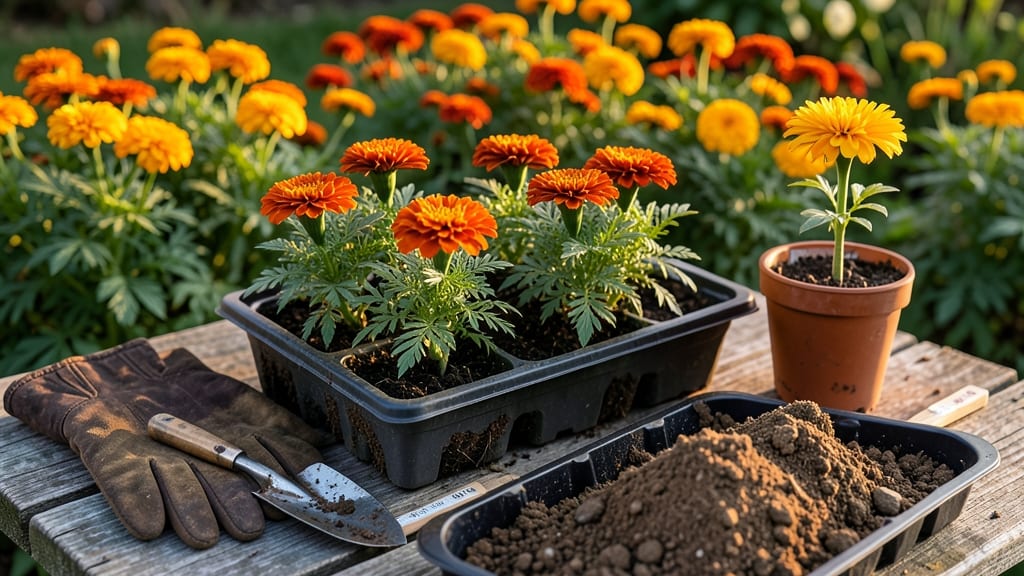
It’s safe to plant flowers outside after your last frost date, when soil temperatures hit at least 50°F and nighttime lows stay above 40°F.
Timing your flower planting just right can mean the difference between vibrant blooms and wilted disappointment—knowing your local frost-free date is the first step to a thriving garden.
In USDA Zone 6a, like many gardeners, that window typically opens in mid-April to early May, but a late frost can still sneak in. Rushing too soon risks stunted growth or worse, losing young plants to cold snaps.
Below, I’ll break down how to pinpoint your exact planting window, the best flowers to start with, and the subtle clues (like soil warmth and leaf-out timing) that tell you it’s truly safe to get those 🌸 in the ground.
How to determine your local frost-free date for flower planting
Timing your flower planting just right can mean the difference between vibrant blooms and wilted disappointment—knowing your local frost-free date is the first step to a thriving garden. Frost-sensitive flowers like petunias, impatiens, and marigolds won't survive even a light frost, so getting this timing right is critical.
The last frost date varies dramatically across the U.S., from late April in Zone 7 to early June in Zone 10.
Most gardeners rely on the USDA Hardiness Zone Map as their starting point, but even within the same zone, microclimates can shift your frost-free date by weeks. For example, a valley might warm up earlier than a hilltop just a few miles away.
To find your exact date, you'll need to combine historical averages, local weather records, and sometimes even neighbor reports from experienced gardeners in your area.
Here's how to pinpoint your local frost-free date with confidence:
Start by checking the USDA Plant Hardiness Zone Map to identify your zone. This gives you a baseline, but remember—it's just the starting point.
For example, in Zone 6, the average last frost might be May 10th, but your local weather station's records from the past 10 years could show it's actually May 20th. I always cross-reference with local cooperative extension service data for the most accurate picture.
Next, monitor your local weather patterns for at least 3-5 years to spot trends. Late frosts can still occur even after the average date, so consider using frost cloth or waiting an extra week if your area has a history of unpredictable springs.
For instance, in Zone 7, I've seen late frosts push back planting by 2 weeks in some years.
Don't forget to check soil temperature—it's often warmer than air temperature. Use a soil thermometer to confirm it's reached the minimum 50°F for most flowers. Cold soil can stunt root growth, even if air temperatures are mild.
I've planted pansies too early only to watch them struggle because the soil was still chilly at 45°F.
For extra safety, consider using heat mats or starting frost-sensitive flowers indoors 4-6 weeks before your expected last frost date. This gives you a head start and reduces the risk of losing young plants.
I always start begonias and geraniums indoors in late winter—by the time they're ready to transplant, the frost danger has typically passed.
Watch for local microclimates that can create warmer pockets in your garden. South-facing slopes, areas near buildings, or spots close to pavement warm up faster than open fields.
I've planted marigolds in these microclimates 1-2 weeks earlier than in exposed areas with great success. Use a minimum thermometer to track overnight lows in different spots.
Finally, pay attention to natural indicators like budding trees, blooming crocuses, or returning birds. These signs often align with your local frost-free date. In my garden, when the redbud trees bloom, I know it's safe to plant petunias and impatiens.
Combine these natural cues with your data for the most reliable timing.
Remember, the first frost in fall is just as important for planning your garden's end-of-season care. Most flowers need to be brought indoors or mulched heavily before the first frost hits.
In Zone 5, I start preparing perennials for winter in early October—well before the average first frost of October 15th.
By combining USDA zone data, local weather records, soil temperature checks, and natural indicators, you'll have a foolproof system for determining when it's truly safe to plant your flowers outside. This approach has saved my annuals from frost damage time and time again.
Best flowers to plant after the last frost by climate Zone
Knowing when to plant flowers after the last frost depends heavily on your USDA hardiness zone. Cold-sensitive varieties like petunias and marigolds need warm soil and air temperatures, while hardier perennials can tolerate cooler conditions.
Let's break down the best frost-free planting windows by zone to help you time it perfectly.
For USDA Zones 3-5, the last frost typically occurs between mid-April and early June, depending on elevation. In these colder regions, focus on cool-season annuals like pansies and snapdragons, which can handle light frosts.
Warmer zones (6-10) see their last frost as early as February in Zone 10 or as late as June in Zone 5.
⚠️ Comparison Table: Best Flowers by Zone & Planting Window
| Zone | Last Frost Window | Best Annuals | Best Perennials | Best Bulbs | Soil Temp Needed |
|---|---|---|---|---|---|
| 3-5 | Mid-April to June | Pansies, Snapdragons, Sweet Alyssum | Coneflowers, Black-Eyed Susans | Tulips, Daffodils (after foliage dies) | 50°F+ |
| 6-7 | Late March to May | Petunias, Marigolds, Zinnias | Daylilies, Lavender, Bee Balm | Dahlias, Gladiolus | 55°F+ |
| 8-10 | February to April | Geraniums, Impatiens, Vinca | Salvia, Coreopsis, Gaillardia | Crocus, Hyacinth (fall planting) | 60°F+ |
In Zones 3-5, I recommend waiting until two weeks after your average last frost date to plant tender annuals. Use row covers for extra protection if nights are still chilly.
For Zones 6-10, you can plant heat-loving flowers like sunflowers and cosmos as soon as soil warms to 60°F, often by early spring.
Perennials like coneflowers and black-eyed Susans are more forgiving—they can handle cooler soil temperatures and even light frosts. However, bulbs like dahlias need consistent warmth to thrive, so wait until all danger of frost has passed in your zone.
For Zone 10, which rarely sees frost, you can plant tropical flowers like hibiscus year-round!
Pro tip: Test your soil temperature with a soil thermometer before planting. Most flowers need soil at least 50°F, but tropical varieties require 65°F+. If your soil is too cold, start seeds indoors or use black plastic mulch to warm it faster.
Remember, microclimates matter. A south-facing bed warms up faster than a shady corner, so adjust your planting timeline accordingly. With the right timing, you'll enjoy continuous blooms from early spring to late fall! 🌸