
Flowers
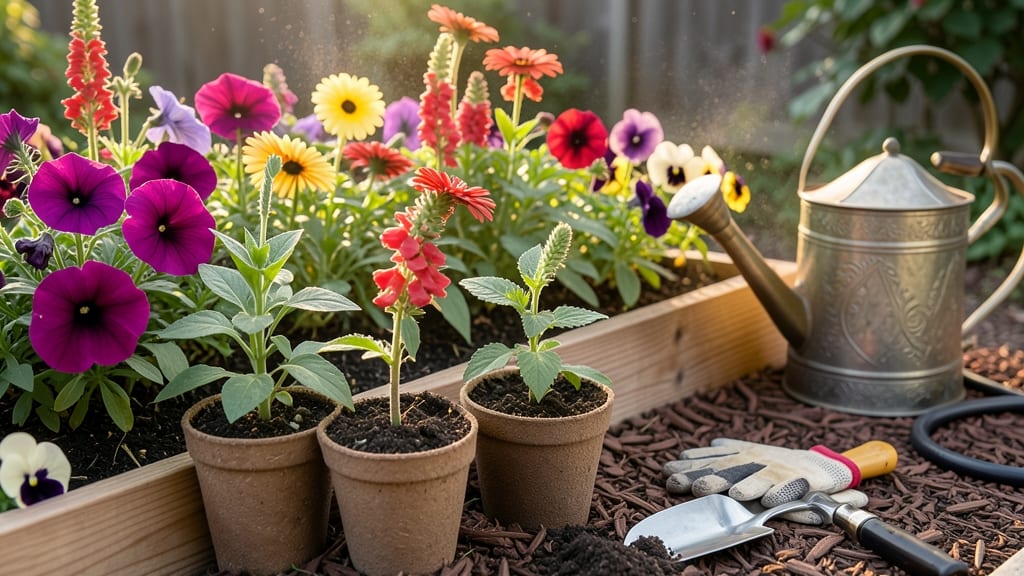
Planting flowers in Portland, Oregon, at the right time means the difference between a burst of color and a sad, stunted garden 🌸.
Portland’s unpredictable weather can turn your flower garden from a dream to a disappointment—unless you plant at the perfect time. Skip the guesswork with this microclimate-specific guide tailored to Portland’s USDA Zone 8-9, rain shadows, and urban heat islands.
Spring planting starts as early as March for cold-hardy varieties, but waiting until after the last frost (around April 15) ensures your blooms thrive. Fall plantings in August-September give flowers time to root before winter, while summer heat-lovers like zinnias can wait until June.
Below, I’ll break down the best planting windows for annuals, perennials, and bulbs—plus soil prep tips and microclimate adjustments to guarantee the best blooms all season long.
Portland’s flower planting calendar by microclimate Zone (with last frost dates)
Portland’s diverse microclimates mean your Willamette Valley garden might have 2-3 weeks earlier last frost dates than East Portland hills. Understanding these zones helps you time plantings perfectly for vibrant blooms year-round.
The average last frost date is April 15, but urban heat islands can push it to mid-May in some spots. Let’s break down what to plant when for each zone.
For Zone 1 (Willamette Valley), think cool-season annuals like pansies and spring-blooming bulbs first. Zone 2 (East Portland hills) can handle hardier perennials like lavender and late-spring transplants of tomatoes. Zone 3 (Urban heat islands) often allows earlier summer planting of heat-lovers like zinnias.
Each zone’s soil warmth and frost risk dictate your timeline.
Below is your microclimate-specific planting calendar, including critical deadlines for spring/summer/fall planting. Use this to maximize bloom seasons and avoid frost damage or overwhelmed roots from late planting.
Pro Tip: Test soil temperature with a soil thermometer—most flowers need 50°F+ soil to thrive. Portland’s clay soil stays cold longer, so amend with compost to warm it faster.
| Microclimate Zone | Last Frost Date | Spring Planting Window | Fall Planting Window | Best Flowers to Start |
|---|---|---|---|---|
| Zone 1: Willamette Valley | April 1-15 | March 15 - May 1 | August 15 - September 15 | Pansies, Snapdragons, Tulips, Daffodils, Sweet Peas |
| Zone 2: East Portland Hills | April 15-30 | April 1 - May 15 | August 1 - September 10 | Lavender, Catmint, Bearded Iris, Shasta Daisies, Coneflowers |
| Zone 3: Urban Heat Islands | April 15 - May 10 | March 20 - May 10 | July 30 - September 5 | Zinnias, Marigolds, Sunflowers, Petunias, Coleus |
In Zone 1 (Willamette Valley), start cool-season annuals like pansies in late February under row covers to beat frost. Bulbs like tulips should go in October-November for spring blooms. Wait until May to plant heat-loving annuals like zinnias, as soil stays cool longer here.
For Zone 2 (East Portland hills), your later frost dates let you transplant perennials like lavender in early April. Summer-blooming bulbs such as dahlias can wait until mid-May when nights stay above 50°F consistently. Fall planting here extends to mid-September for hardy varieties.
Zone 3 (Urban heat islands) is your earliest zone—start warm-season crops like sunflowers in late March if using black plastic mulch to warm soil. Container gardens here thrive with petunias and geraniums planted by April 15. Fall planting can continue until early October for cool-tolerant annuals.
Missed the spring planting window? No problem! Fall planting (August-September) is your second best chance for long-lasting blooms. <
Best flowers to plant in Portland by season (with soil prep tips)
Portland’s cool, wet springs and mild summers create unique challenges for gardeners. The key to success? Choosing season-specific flowers that thrive in these conditions while preparing your clay-heavy or drought-prone soil.
Whether you're a beginner or a seasoned gardener, these recommendations will help you create a vibrant, low-maintenance garden that blooms year-round.
For spring planting (March-May), focus on cool-season flowers like snapdragons and lobelia, which tolerate Portland’s chilly mornings. In summer (June-August), opt for heat-loving varieties such as zinnia and sunflower to handle the occasional heatwave.
Fall (September-November) is perfect for bulbs like tulips and perennials like asters, which establish roots before winter.
Soil prep is critical in Portland. Most areas have clay soil that drains poorly, while others face drought stress due to urban heat islands. Amend your soil with 2-3 inches of compost before planting to improve drainage and fertility. For drought-prone spots, add a 2-inch layer of mulch to retain moisture and regulate soil temperature.
For beginner gardeners, prioritize low-maintenance annuals like marigolds or cosmos, which thrive in Portland’s climate with minimal care.
These flowers are drought-tolerant once established and resistant to common pests, making them ideal for first-time growers. Perennials like lavender are also excellent choices—they return year after year with little to no replanting.
Experienced gardeners can experiment with high-impact varieties like dahlias or delphiniums for dramatic blooms. These sun-loving plants need well-draining soil, so mix in sand or perlite if your native clay feels too dense. Stake taller varieties early to prevent wind damage from Portland’s occasional gusts.
Remember, Portland’s microclimates vary significantly. Urban areas may experience heat islands that dry out soil faster, while rural zones stay cooler and wetter. Adjust your watering schedule accordingly—deep watering once a week is often better than frequent shallow watering. Happy planting! 🌷