
Planting
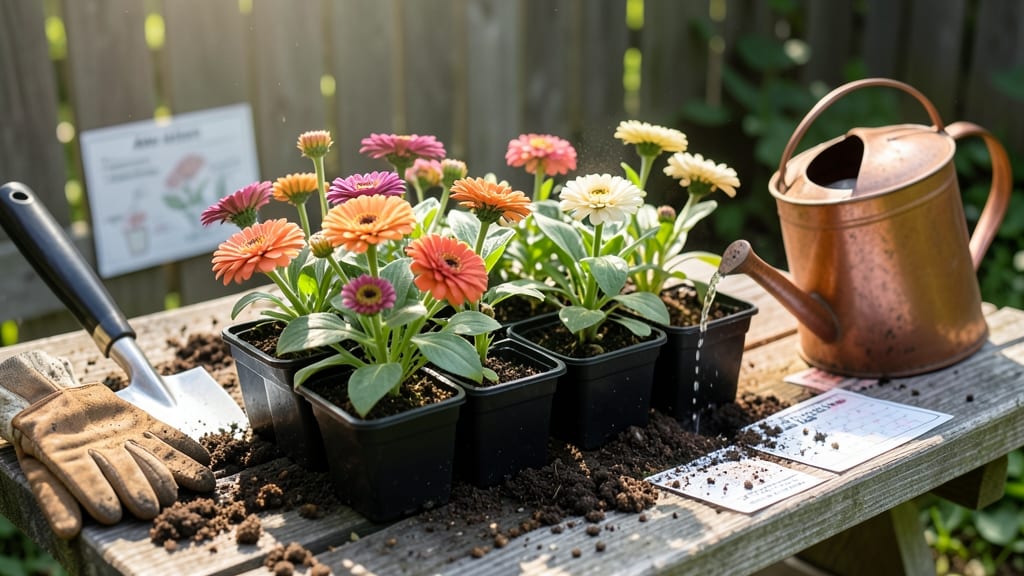
The best time to plant flowers outside depends on your USDA zone and the types of blooms you’re dreaming of—because a spring planting in Zone 6a won’t work the same way as a fall planting in Zone 10.
Timing your flower planting right can mean the difference between vibrant blooms and wilting disappointment—so why guess when you can follow science-backed USDA zone guidelines?
Whether you’re planting annuals for summer color or perennials that return year after year, the calendar matters more than you might think. Miss the window, and you risk stunted growth or flowers that never fully open.
Here’s how to pinpoint the perfect month for your region, plus pro tips to stretch your planting season and keep those 🌸 thriving from spring to fall.
USDA Zone planting calendar: month-by-month flower planting by region
Timing your flower planting right can transform your garden from a ho-hum patch to a vibrant, year-round spectacle. The USDA Plant Hardiness Zone Map serves as your gardener's compass—guiding when to tuck seeds into soil or transplant tender seedlings.
But here's the catch: frost dates and microclimates can shift optimal planting windows by weeks, even within the same zone. Let's break down the science-backed calendar so you can plant with confidence, whether you're in Zone 3's harsh winters or Zone 11's mild year-round growing.
Most gardeners focus on spring planting after the last frost, but fall planting often gets overlooked—especially in warmer zones where winter dormancy isn't a concern.
For example, Zone 10/11 gardeners can plant flowers year-round, while Zone 3-5 gardeners must time their spring planting to avoid late frosts that can wipe out tender seedlings. The key? Understanding your frost-free days and adjusting for soil temperature, which should ideally hit 60°F+ before planting warm-season flowers.
Below is your zone-by-zone planting calendar, including regional exceptions and pro tips for each climate. Use this as your cheat sheet to maximize blooms and minimize guesswork.
| USDA Zone | Spring Planting Window | Fall Planting Window | Key Flowers to Plant | Soil Temp Requirement |
|---|---|---|---|---|
| Zones 3-4 | Late May - Early June (after last frost) | August (6-8 weeks before first frost) | Tulips, Peonies, Coneflowers, Black-Eyed Susans | 50-55°F (10-13°C) |
| Zones 5-6 | Early April - Mid-May (after last frost) | September (4-6 weeks before first frost) | Dahlias, Marigolds, Zinnias, Lavender | 55-60°F (13-16°C) |
| Zones 7-8 | March - Early April (or September for fall blooms) | October - November (6-8 weeks before frost) | Roses, Hydrangeas, Snapdragons, Petunias | 60-65°F (16-18°C) |
| Zones 9-10 | January - February (winter planting for spring blooms) | August - September (avoid summer heat) | Orchids, Bougainvillea, Geraniums, Impatiens | 65-70°F (18-21°C) |
| Zone 11 | Year-round (stagger planting for continuous blooms) | December - January (avoid peak summer) | Hibiscus, Plumbago, Bird of Paradise, Tropical Lilies | 70-75°F (21-24°C) |
🌱 Note: Adjust for local microclimates (e.g., urban heat islands may extend growing seasons by 2-4 weeks).
If you're in Zones 3-4, your spring planting window is short—typically late May to early June—so prioritize cold-hardy perennials like coneflowers and black-eyed Susans. These tough beauties thrive in cooler soils and bounce back after frost.
For annuals, wait until the soil reaches 50-55°F to avoid stunted growth. Pro tip: Use row covers to extend your season by 2-3 weeks if late frosts threaten.
Gardeners in Zones 5-6 have a golden window of early April to mid-May for spring planting, but don't overlook fall planting in September. This is prime time for bulbs like tulips and perennials like lavender, which establish roots before winter. A soil thermometer is your best friend
Best flowers to plant by season: cool vs. warm weather varieties
Choosing the right flowers for your USDA hardiness zone and seasonal climate ensures vibrant blooms and healthy growth. Cool-season flowers thrive in spring and fall, while warm-season varieties love summer's heat. Let's explore the best options for each season to maximize your garden's potential.
For spring planting, focus on flowers that tolerate cooler temperatures and can handle light frosts. These varieties establish roots early, giving them a head start for summer blooms. In contrast, summer flowers need warmth to thrive, so planting them after the last frost date is crucial.
Fall planting offers a second chance for cool-season flowers to establish before winter.
Here are my top recommendations for each season, tailored to USDA zones 3-11:
🌱 Seasonal Planting Highlights
- 🌷 Spring (Zones 3-10): Plant peonies and tulips in early spring (March-April) for summer blooms. These cool-season perennials need well-draining soil and 6+ hours of sun daily.
- ☀️ Summer (All Zones): Choose marigolds and zinnias for heat tolerance. Sow seeds after last frost (May-June) in full sun locations with moderate watering to prevent fungal issues.
- 🍂 Fall (Zones 3-9): Plant chrysanthemums and asters 4-6 weeks before first frost (August-September). These fall-blooming perennials thrive in cool temperatures and add late-season color.
- ❄️ Winter (Zones 7-11): In mild climates, plant pansies and snapdragons for winter blooms. These cool-tolerant annuals need partial shade and consistent moisture during dry spells.
- 🌿 Year-Round (Zones 8-11): Lantana and salvia thrive in warm climates. Plant anytime (except peak summer) in well-draining soil with minimal watering once established.
When selecting flowers, always check your local frost dates and soil temperatures. Most seeds and transplants prefer soil that's at least 60°F (15°C) for optimal germination. For bulbs like tulips, plant in fall when soil cools to 50°F (10°C) or below.
Remember that annuals like zinnias provide seasonal color but must be replanted yearly, while perennials like peonies return each year with proper care. Pairing cool and warm season flowers creates a continuous bloom cycle from spring through fall.
For container gardening, choose compact varieties like pansies or petunias that thrive in pots. Ensure containers have drainage holes and use lightweight potting mix to prevent root rot.